Life After Casemiro: Can Manchester United Still Dominate Set-Pieces?
Manchester United used to walk to a corner flag with a sense of menace. Last season, set-pieces felt like a weapon. With Casemiro gone, that certainty has vanished.
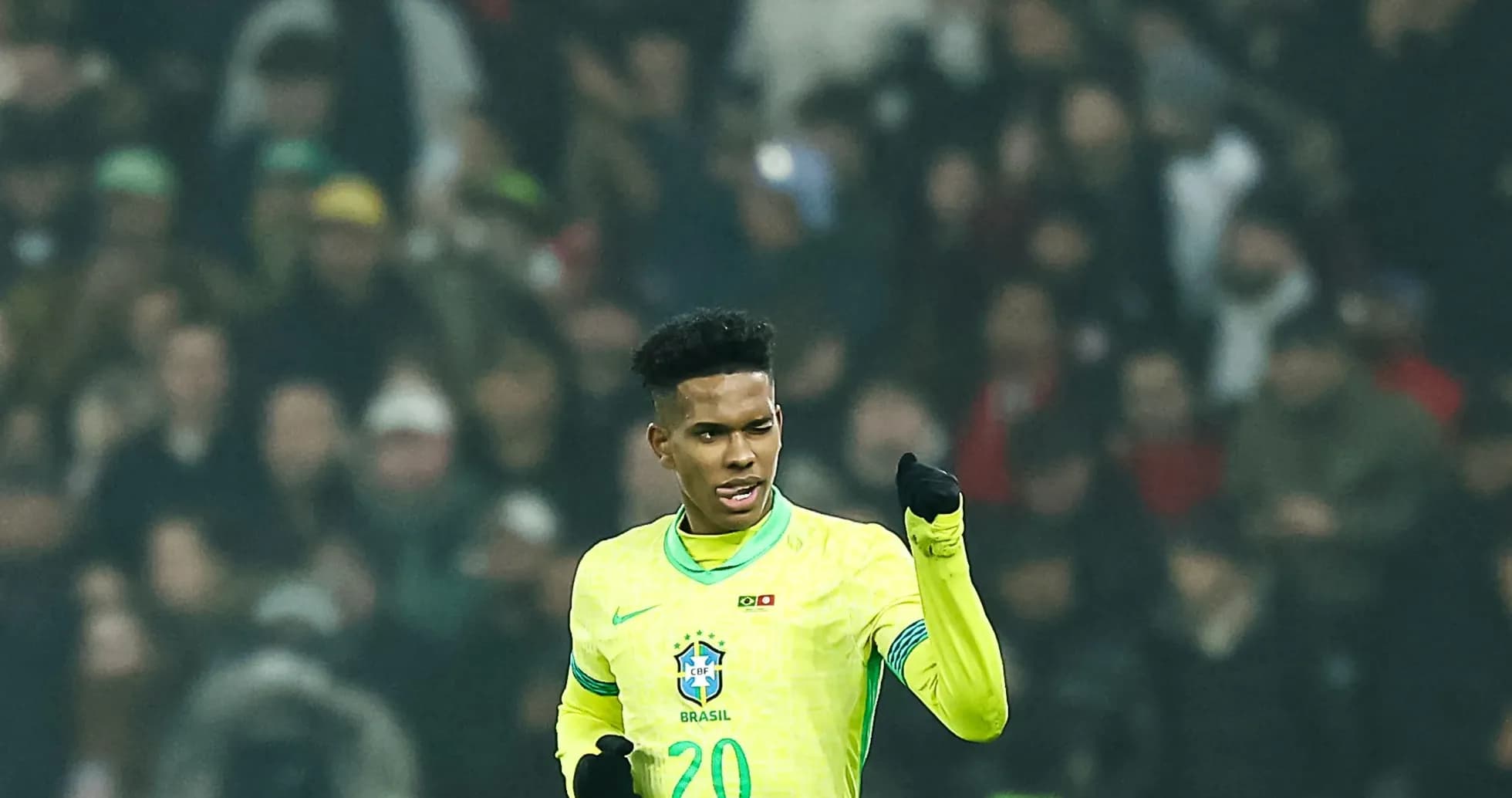
Harry Maguire summed up the Brazilian’s impact better than any stat sheet. “I thought I was good at attacking in the box until I met him," he said last season, a remark that followed Casemiro’s opener in a 2-1 win over Brentford at Old Trafford. That goal was his eighth header of the campaign.
Nine Premier League goals. Eight with his head. One of the most streetwise midfielders of his generation quietly turned into United’s most reliable aerial finisher.
A Specialist Lost
Casemiro did not arrive in Manchester with a reputation as a headed-goal machine. He left as a set-piece specialist.
Among United players with at least 10 Premier League goals, only Nemanja Vidic can boast a higher percentage scored with his head. By the spring of last season, no player in Europe’s top five leagues had more headed goals than the 34-year-old.
He was not the tallest on the pitch at 6ft 1in. He did not need to be. His timing, his movement across defenders, his knack for attacking the flight of the ball — those details turned routine corners into genuine chances. United built a chunk of their threat on that reliability.
Now there is a hole in the box every time the ball is swung in.
Set-plays are more important than ever in the Premier League. Teams drill them, live off them, stay in games because of them. Lose a major aerial threat and you do not just lose goals; you lose a key route to points.
Numbers That Don’t Reassure
United’s remaining options do not exactly scream “problem solved.”
No player in the current squad scored more than one headed goal in the league last season. Not one.
Amad, Bryan Mbeumo, Benjamin Sesko, Harry Maguire, Matthijs de Ligt and Patrick Dorgu each managed a single headed strike. That is the entire list.
For a club that has just lost the most prolific header of a ball in Europe’s top divisions, it is a worrying spread. The responsibility now falls on those with the physical profile to dominate in the air.
Sesko, Maguire and De Ligt, three of the tallest players in the dressing room, simply have to offer more. Only Maguire, though, is expected to be a regular starter in the opening weeks.
Fitness Questions, Tactical Adjustments
The plan around Sesko is already compromised. Club sources insist he will be fit enough to make the squad for the opening game of the campaign against Hull. But he has missed every pre-season fixture. Match sharpness cannot be manufactured in the gym.
Michael Carrick has prepared accordingly. During pre-season, he has pushed Mbeumo and Matheus Cunha into central roles, a clear sign that Sesko will not be rushed. It would not be a surprise if the striker has to wait until around September before he starts games regularly.
De Ligt, recovering from back surgery, is progressing well, but United will not gamble with him. The nature of the injury demands caution, not risk. That places even more weight on Maguire’s shoulders at both ends of the pitch.
A headed goal against AC Milan on Saturday hinted at what Maguire could bring in Casemiro’s absence. He attacked the delivery with conviction, the kind of run and leap United will now need from him on a weekly basis.
Who Steps Into the Void?
Others will have to join him.
Leny Yoro has already shown he can be a danger in the opposition box. He was a touch away from a headed goal against Fulham last season, only to see it recorded as an own goal. Given how many minutes he is likely to rack up, he stands out as a strong candidate to chip in from set-plays.
United will need exactly that: contributions from everywhere. Centre-backs, full-backs, even wide forwards attacking the second ball. The days of aiming at one man and trusting him to sort it out are over.
What remains undeniable is the size of the gap Casemiro leaves behind. His departure strips United of their most consistent aerial finisher at a time when marginal gains from dead balls can decide Champions League places and title races.
The question now is blunt and unavoidable: without their former secret weapon, can Manchester United still turn corners and free-kicks into a fear factor, or will this season expose just how much they relied on one man’s head?