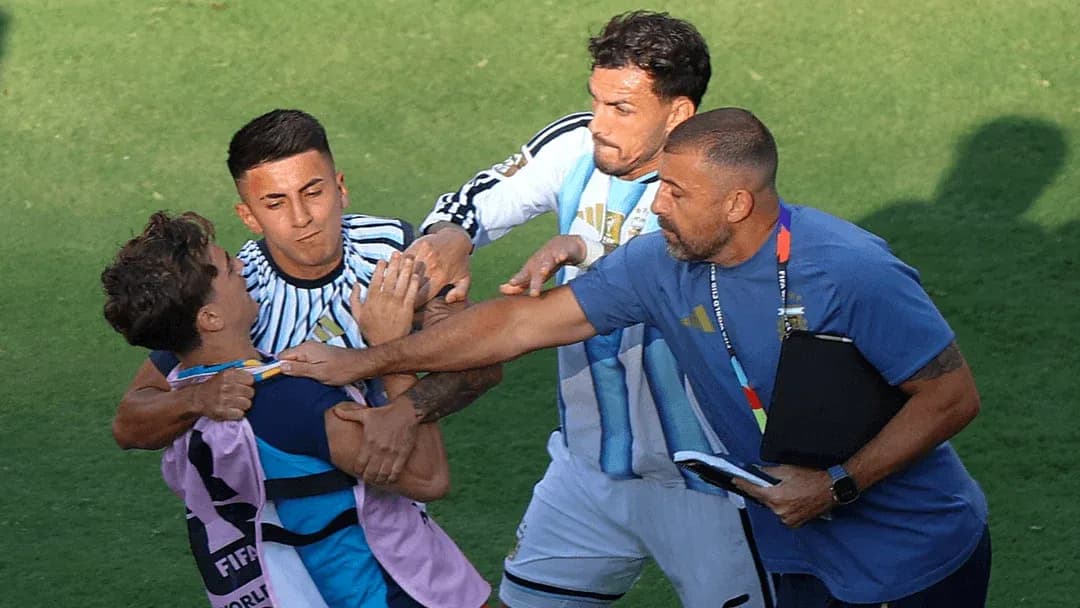
Leandro Paredes Faces FIFA Disciplinary Proceedings After World Cup Final
Leandro Paredes faces the prospect of becoming the Argentina player hit hardest by FIFA after world football’s governing body formally opened disciplinary proceedings into the ugly scenes that followed the 2026 World Cup final between Argentina and Spain.
He is at the heart of the case.
Paredes at the eye of the storm
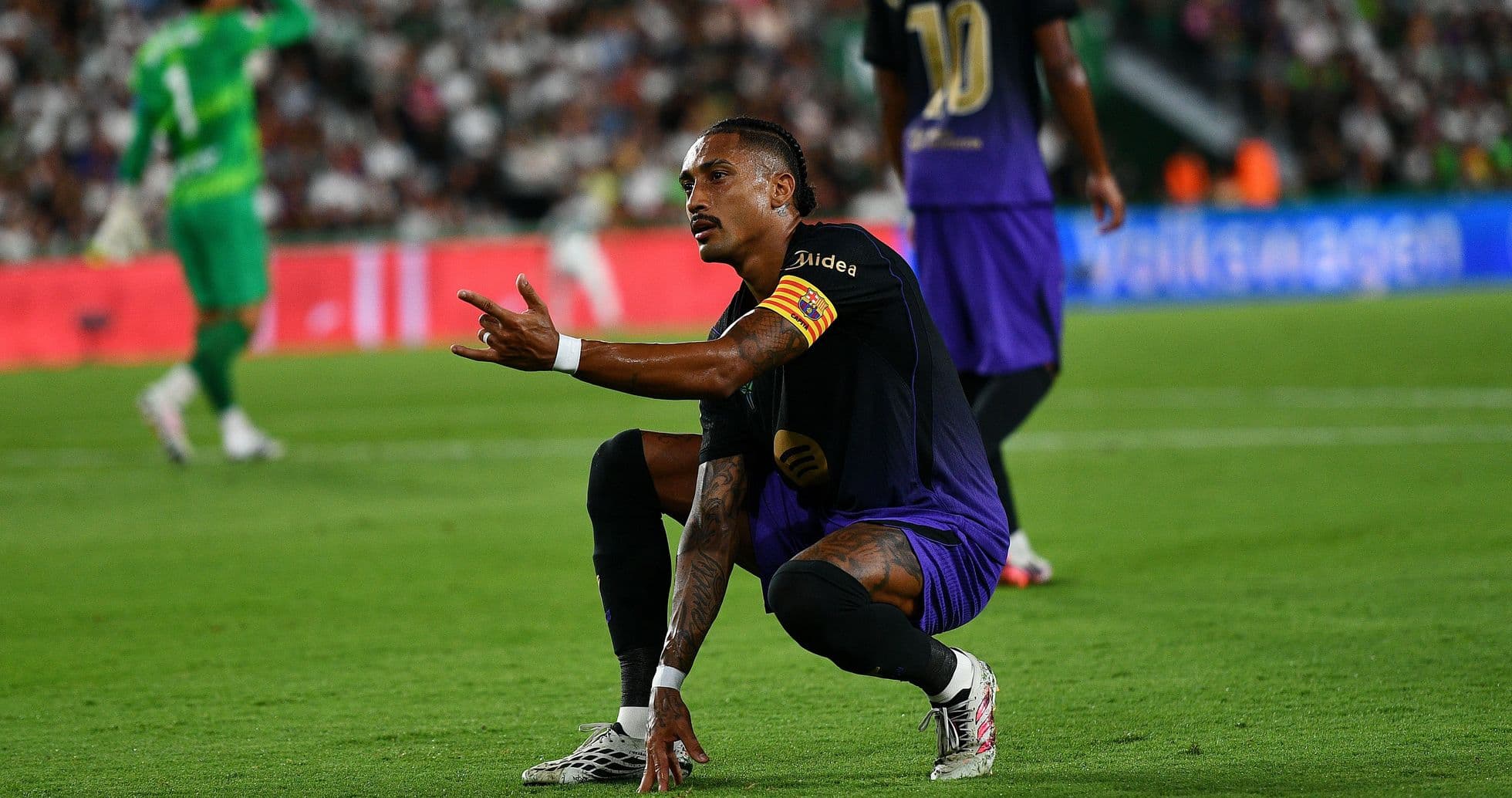
According to the disciplinary file, Paredes has been charged with three separate counts of aggression. That places the midfielder in the most precarious position of all the players under scrutiny and makes him the central figure in what could become one of the most severe individual punishments ever handed out at a World Cup.
FIFA has not yet delivered its verdict, but the framework is clear. Under the Disciplinary Code, any act of aggression against an opponent or any other person who is not a match official carries a minimum suspension of three matches per offense.
Do the math. Three aggression charges mean Paredes is theoretically staring at a ban of up to nine games.
History suggests something slightly lower. Based on previous disciplinary cases, a suspension in the region of five or six matches is viewed as a more realistic outcome, but even that would represent a heavy blow for both player and country in the next phase of competitive fixtures.
Molina, Ayala and the widening fallout
Paredes is not alone in the dock.
Nahuel Molina has also been placed under investigation, with two acts of aggression listed against him—one completed, one attempted. The distinction matters in the legal language of FIFA, but both are serious enough to carry the threat of a multi-game suspension.
On the bench, the spotlight has fallen on Argentina assistant coach Roberto Fabián Ayala. He is facing a separate aggression charge that could also lead to a ban, underlining how deeply the fallout from the final has cut through Lionel Scaloni’s staff as well as his squad.
The net stretches wider still. Thiago Almada has reportedly been charged with unsporting conduct, an offense that brings a minimum one-match suspension under FIFA regulations. On the other side of the divide, Spain midfielder Gavi is facing the same allegation, a reminder that the chaos in the aftermath of the final was not confined to one team.
AFA under heavy scrutiny
The case is not just about individuals. The Argentine Football Association (AFA) itself is under intense examination.
FIFA has opened disciplinary proceedings against the AFA over a broad range of alleged breaches: discriminatory chants and gestures, failures to comply with match and security protocols, delays to kickoff, inappropriate messages displayed by players and supporters, and the throwing of objects.
If those violations are confirmed, the consequences could be severe. A substantial financial penalty is on the table. So is something more damaging in sporting terms: partial or even full stadium closures for future home matches, a sanction that would strip Argentina of the intimidating atmosphere that has long been one of its greatest assets.
At this point, nothing is final. FIFA has only opened proceedings and has not yet imposed either sporting or financial sanctions.
What happens next
Now comes the legal battle.
Both the AFA and the Royal Spanish Football Federation (RFEF) will be allowed to submit evidence and present their arguments before FIFA reaches its conclusions. Only after that process is complete will the disciplinary committee decide whether to uphold the charges and, crucially, how heavy the sanctions will be.
When that verdict lands, it will not just close the book on one of the most controversial endings to a World Cup final in recent memory. It will also shape what Argentina and Spain look like when they next step onto the international stage.