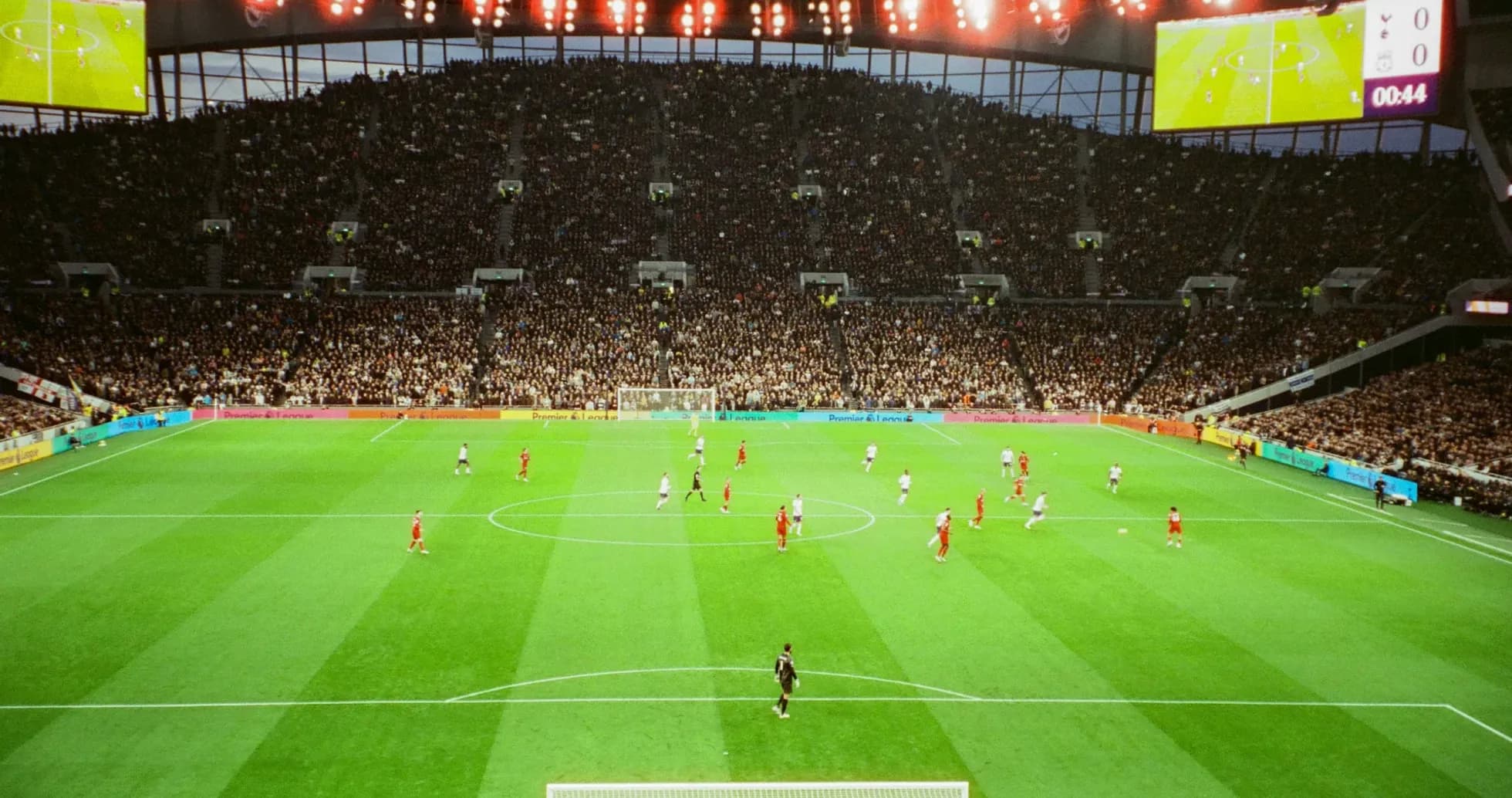
Juventus and Inter Milano Women Clash in 3–3 Draw
Stadio Vittorio Pozzo felt like a crossroads rather than a mere stage. Juventus W and Inter Milano W arrived in Biella as the two most polished attacking units in Serie A Women, and the 3–3 draw that followed felt less like a surprise and more like an inevitable collision of styles. Following this result in Round 21 of the regular season, the table still says Inter in 2nd with 44 points and Juventus in 3rd with 36, but the narrative is tighter than the eight-point gap suggests.
I. The Big Picture – Two Identities Colliding
Across the campaign overall, Juventus have built a profile of measured control: 30 goals scored and 18 conceded in 21 league matches, a goal difference of 12 that mirrors their rank as a Champions League side. At home they average 1.5 goals for and 0.7 against, a side that usually strangles games rather than opens them up.
Inter, by contrast, have embraced chaos and thrived in it. Overall they have 49 goals for and 23 against, a goal difference of 26 that screams dominance. On their travels they score 2.2 goals per game and concede 1.4, a high-wire act that leans on firepower more than control. Their biggest away win, 1–5, and heaviest away defeat, 3–0, underline the volatility.
The 3–3 scoreline, with six goals packed into the first half alone, was almost a perfect hybrid of those identities: Juventus dragged into Inter’s tempo, Inter forced to live with Juventus’ resilience.
II. Tactical Voids and Discipline – Edges in the Margins
There were no officially listed absentees, so both coaches could lean on their core structures. Max Canzi’s Juventus have been most comfortable in a back-three framework this season (their most-used shape is 3-4-1-2), using wing-backs and a strong midfield screen to protect what is usually a disciplined defensive record at home. Gianpiero Piovani’s Inter, often in a 3-5-2 or 3-4-1-2, look to flood central zones and then release their forwards in transition.
From a disciplinary standpoint, the underlying data painted a subtle warning for Juventus. Heading into this game, 30.43% of their yellow cards came between 46–60 minutes and another 30.43% between 61–75 – a clear pattern of second-half strain when intensity drops and legs tire. Inter’s yellows, by contrast, spike earlier: 25.93% between 31–45 and a combined 37.04% from 61–90, showing a side that plays on the edge whenever the game accelerates.
Key individuals embody those edges. Lia Wälti, who started in midfield for Juventus, arrived with 5 yellow cards in just 15 appearances – the third-highest yellow tally in the league. Her role as a deep-lying organiser and breaker of play is vital, but it always lives close to the disciplinary line. On the Inter side, Ivana, a constant starter at the back with 4 yellows and 7 blocked shots this season, offers both aggression and last-ditch protection. Marija Ana Milinković, with 1 red card and 2 yellows, is another reminder that Inter’s defensive heart beats with risk as well as timing.
III. Key Matchups – Hunter vs Shield, Engine Room vs Enforcer
The headline duel was always going to be Tessa Wullaert versus Juventus’ defensive block. Wullaert came into this match as the league’s top-rated attacker: 10 goals, 7 assists, 14 shots on target from 18 attempts and 3 penalties scored out of 4, with 1 missed. She is not just Inter’s finisher; she is their system. Every vertical pass, every break in the press, tends to find her orbit.
Juventus’ “shield” is not a single player but a structure. At home they had conceded only 8 goals in 11 league matches before this fixture, with 5 clean sheets and just 0.7 goals against per game. The back line of M. Lenzini, V. Calligaris and M. Harviken, supported by E. Carbonell and the screening of Wälti, usually compresses the central corridor where Wullaert loves to drift to combine with Lina Magull and Haley Bugeja.
Magull, with 4 assists and a passing accuracy of 86%, is Inter’s metronome between the lines, while Bugeja’s 6 goals and 2 assists in only 635 minutes make her the chaos agent. The combination of Magull’s timing and Bugeja’s direct running pins defences and opens pockets for Wullaert to exploit.
Opposite them, Juventus’ creative thrust has increasingly run through Chiara Beccari and Wälti. Beccari, with 4 goals and 16 key passes, is the connective tissue between midfield and attack, while Wälti’s 379 passes at 88% accuracy and 12 key passes make her the side’s quiet architect. When Juventus can settle into their 3-4-1-2, Wälti dictates tempo and Beccari links into the front line, here led by A. Vangsgaard, B. Bonansea and A. Capeta.
In this match, the starting XI told a clear story: Juventus packed the middle with Wälti, E. Schatzer and L. Thomas, trying to crowd out Magull and K. Vilhjalmsdottir. Inter, for their part, deployed Robustellini and Detruyer as energetic shuttlers around Magull, trusting Ivana and K. Bowen to hold the line behind.
IV. Statistical Prognosis – xG Logic in a 3–3 World
Even without explicit xG values, the season-long shot and goal patterns sketch a likely picture of this 3–3. Inter’s overall average of 2.3 goals per game, combined with Juventus’ 1.4, already points towards a match tilted above three total goals. On their travels, Inter’s 2.2 goals for and 1.4 against suggest that a 2–2 or 3–2 type scoreline is their natural habitat; adding Juventus’ home average of 1.5 for and 0.7 against nudges the expectation into the 2–2, 3–3 band when both sides play to their attacking strengths.
Inter’s eight-match winning streak earlier in the season, their biggest away win of 1–5, and their ability to find goals from multiple sources – Wullaert, Bugeja, Detruyer, Elisa Polli off the bench – all support the idea that they generate high-quality chances consistently. Wullaert’s 27 key passes and 3 penalties scored show a player who not only finishes but also manufactures high xG opportunities for others.
Juventus, meanwhile, rely on structure to keep opposition xG down. Nine clean sheets overall and only 18 goals conceded in 21 matches indicate a side that usually suppresses shot volume and quality. When that structure is broken, as it was in a frantic first half here, games can spiral away from their preferred rhythm. The 3–3 therefore reads as an outlier relative to their defensive numbers, but entirely in line with Inter’s open, attacking DNA.
Following this result, the tactical lesson is clear for both: Inter’s ceiling remains tied to Wullaert’s genius and a high-risk defensive line that will continue to offer chances. Juventus’ path forward lies in reasserting their home defensive standard while giving creators like Beccari and Wälti enough control of the tempo to prevent matches from turning into six-goal shootouts. In Biella, neither side fully bent the other to its will – and the table, and the scoreline, reflect that uneasy equilibrium.