Jude Bellingham Reflects on England's World Cup Heartbreak
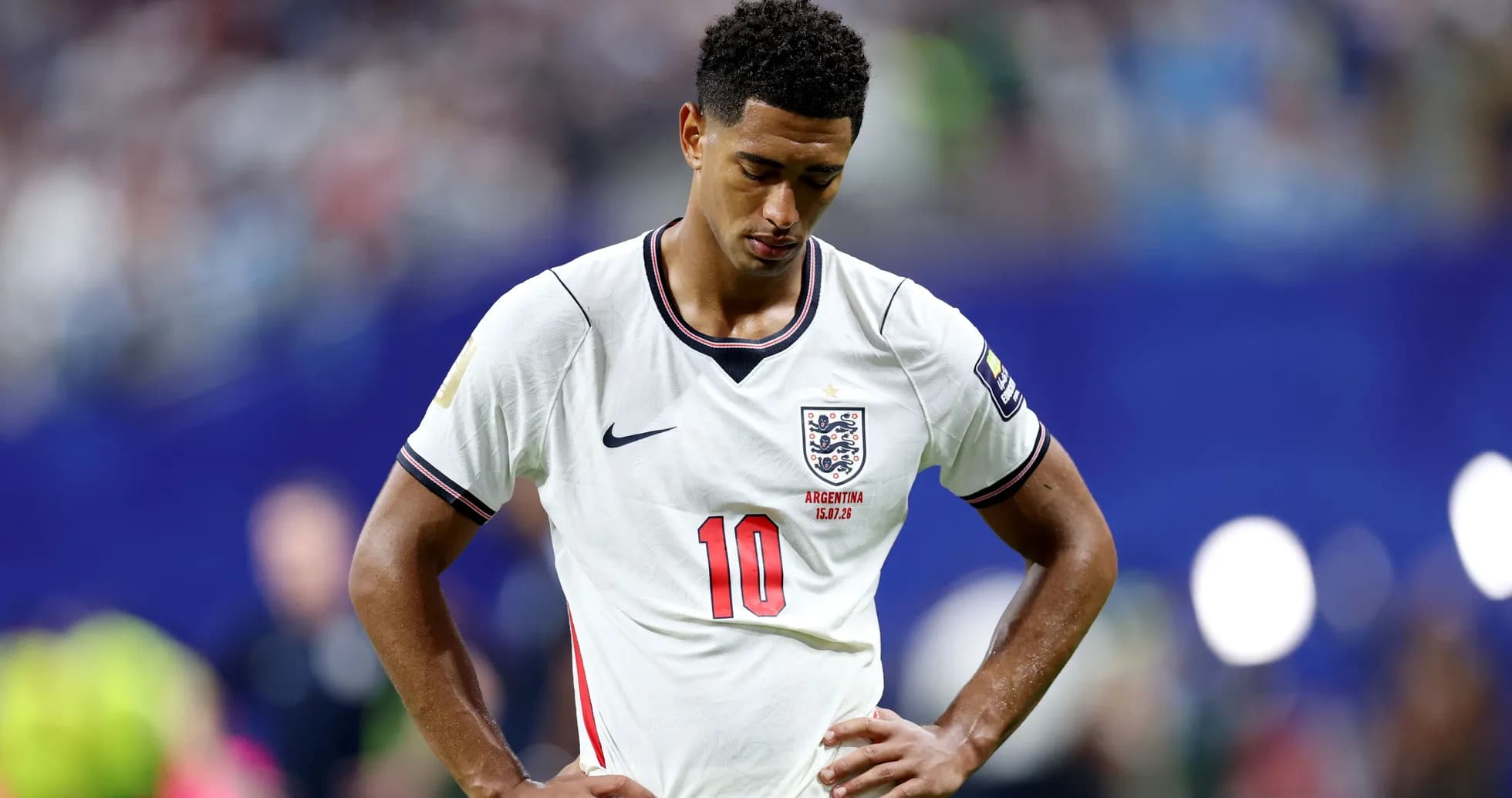
Jude Bellingham stood in front of the cameras looking like a man who had run out of ways to hurt.
A 2-1 defeat to Argentina, settled in the final moments, had ripped away England’s first World Cup final appearance since 1966. For a player who had dragged his country through this tournament with seven goal contributions and a thunderous brace against Norway in the quarter-final, this felt like the cruelest cut of all.
He tried to explain it. The words came out heavy.
"I think we can take a lot of experience from this, but it is so gutting. I wanted to be a part of an England squad that finally done it and got it over the line. To be here, telling the fans the same things they've heard for years, it's really gutting," he admitted, voice cracking under the weight of another near-miss.
This wasn’t just another bad night in an England shirt. It sat on top of a bruising club season with Real Madrid and the scar tissue of losing the Euro 2024 final. For a 23-year-old who has spent two years living at the sharpest end of elite football, this felt like a breaking point.
The emotion was written across his face. He searched for something to offer, some comfort to a fanbase that has heard the same post-mortem for generations.
"I wish I could give one more win or two more wins, but at the moment, my head is a bit fuzzy with disappointment, so I'm sorry," he said. No spin. Just a young leader emptied out on the biggest stage.
On the touchline, Thomas Tuchel took his share of the blame.
England had led through Anthony Gordon and, for a while, looked in control. Then came the turn. Protect what you have or go for the kill? Tuchel chose to protect. He went to a back five. The shift invited Argentina forward. The game tilted, then slipped, then disappeared.
"We decided to go to a back five because the gaps were far too open," Tuchel explained afterwards. "Argentina played with more risk, played with more rhythm and played with the feeling maybe that they had nothing to lose any more, which freed them up and pulled us back.
"Because we obviously played suddenly with a feeling that we had a lot to lose. Of course the responsibility is on the coach and if it doesn’t go well it’s easy to say it was wrong."
He knew what was coming. The criticism over his substitutions, the fury over England retreating when the finish line was in sight. But Tuchel did not flinch from the responsibility. The tactical change failed. Argentina surged. England shrank. World Cup dreams died.
What it has not done, at least for now, is end his tenure.
Inside the FA, there is no appetite for revolution. Chief executive Mark Bullingham is understood to have given his full backing to the former Chelsea and Bayern Munich manager. The plan remains the same: Tuchel will lead England into the home European Championships in 2028.
Tuchel himself made it clear he is not walking away. "We keep on going with the contract until the home Euros," he said, drawing a line under any talk of resignation. The message was simple: this project is bruised, not broken.
That will not soothe the immediate pain. England now head into a third-place play-off against France on Saturday, a game that always feels like an obligation rather than an opportunity. A bronze medal would technically mark their best World Cup finish in 60 years. It will not feel like it.
For Bellingham and his teammates, the match is a coda to a campaign that promised history and delivered heartbreak. The real work starts after the final whistle blows on that game: rebuilding belief, recharging bodies, resetting a mindset that has been battered by consecutive near-misses on the international stage.
In two years’ time, England will host the continent at Euro 2028. The same core, the same coach, likely the same expectations.
The question now is not whether this group can compete. They have proved that. It is whether, when the next defining moment comes, they finally step forward instead of stepping back.