Jamal Musiala's Health Scare: Neurological Diagnosis Explained
Jamal Musiala’s latest scare did not come from a crunching tackle or a mistimed challenge. It came out of nowhere.
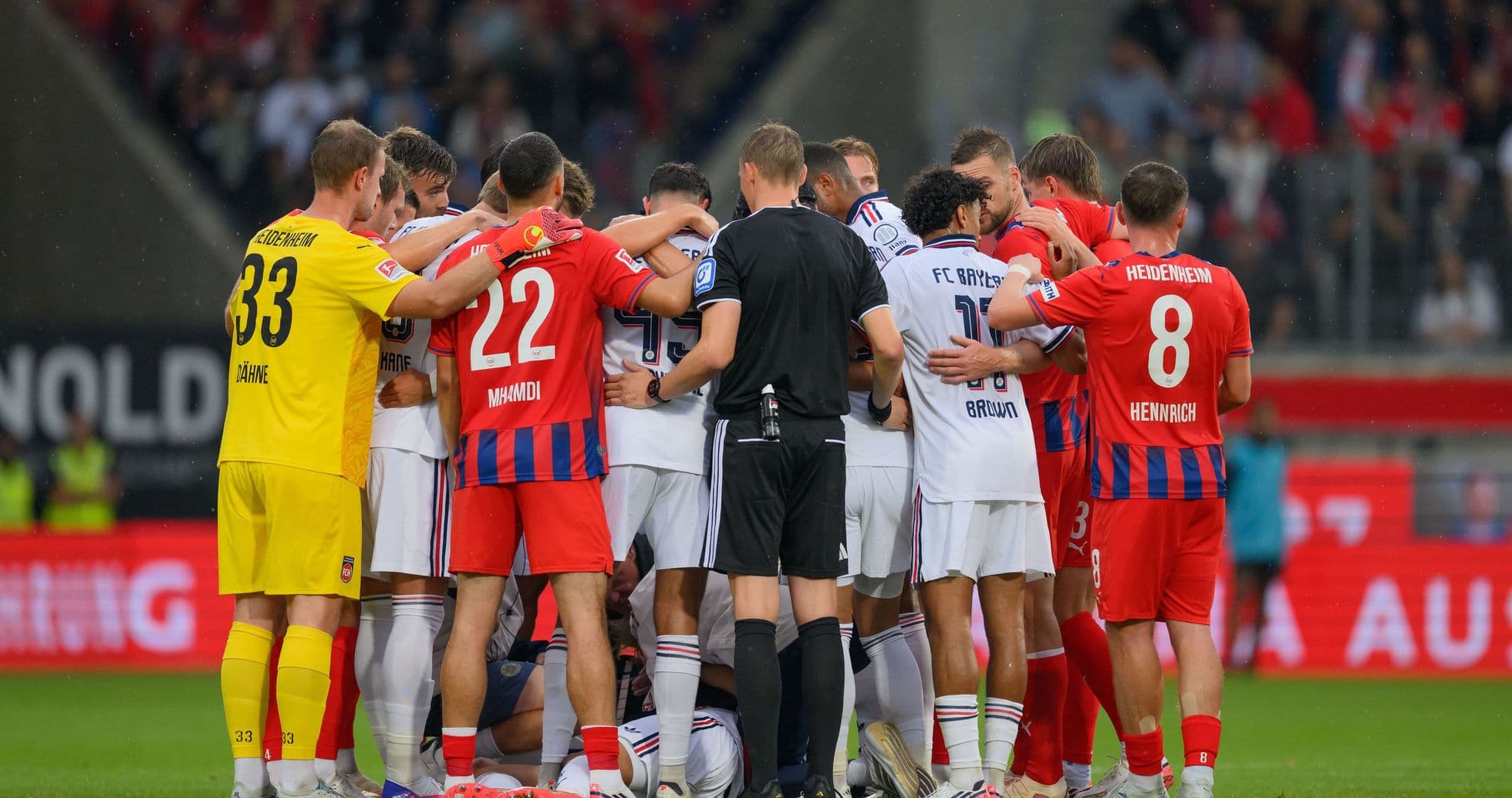
Four days after he first collapsed on the pitch against RB Leipzig, the Bayern Munich playmaker went down again during a friendly win over Heidenheim, sending a fresh wave of alarm through the club and its supporters. The 23-year-old looked dazed, needed immediate medical attention and was helped from the field, the images stark and unsettling for a player so often associated with lightness and flair.
This time, there was an explanation.
Musiala later issued a statement confirming he has been diagnosed with temporary, brief absence seizures caused by a neurological dysfunction. The episodes, while short, have been serious enough to halt games and trigger urgent medical checks.
Inside Bayern, there is no sense of denial about the gravity of the situation. Sporting director Max Eberl has made it clear the club is fully informed and standing firmly behind their No. 10 as he moves through testing, treatment and the emotional toll of such a diagnosis.
In Germany, the incidents have prompted expert scrutiny. Speaking to BILD, Prof. Christoph Kleinschnitz, head of neurology at the University Hospital Essen, outlined what could be behind the collapses.
“From a neurological perspective, this could potentially be an epileptic seizure. It could be a form of absence epilepsy, as symptoms such as brief periods of unresponsiveness are consistent with it,” he explained, before stressing that only complete neurological findings can confirm that assessment.
The key line for Musiala and Bayern, though, came next. According to Kleinschnitz, the condition is “highly treatable” but would require long-term therapy. Crucially, he added, Musiala can continue playing football.
For a player already fighting his way back from a brutal run of injuries, that matters.
Musiala missed a large stretch of the 2025-26 season after a devastating combination of a fractured fibula and a dislocated, broken ankle suffered during the Club World Cup against Paris Saint-Germain. That setback stalled the rise of one of Europe’s most gifted young attackers, turning what should have been a showcase tournament into a turning point of a very different kind.
Now his path back is more complex. It is not just about rebuilding strength in his leg or trusting his ankle in duels again. He has to balance the final stages of his orthopaedic recovery with the careful management of a newly diagnosed neurological condition, one that demands patience, monitoring and a long-term medical plan.
The outlook, though, is far from bleak. Specialists remain confident that, with the right treatment and adherence to therapy, this issue should not derail his career. Musiala himself has spoken with optimism about settling into a new routine, a hint that he is already shifting from shock to adaptation.
At Säbener Straße, the conversation is quietly moving towards football again. Bayern want their creative heartbeat fully integrated for the coming campaign as they push for trophies on every front. His availability for the start of the season will depend entirely on the medical team’s judgment, not on the calendar or the fixture list.
Around him, the support network is tight. The club, his family, and his close friends are locked in around the player, helping him navigate the next steps of his treatment and the mental strain that comes with it. The fans, left holding their breath twice in four days, now wait for one thing only: the moment Musiala returns, cleared, confident, and ready to take the ball again between the lines.
When that green light comes, the question will not be whether he is still the same player.
It will be how high his ceiling can be once he has fought his way through all of this.