Ireland's Mixed Performance Under Heimir Hallgrimsson in Montreal
Heimir Hallgrimsson’s mask slipped in Montreal.
Since taking the Republic of Ireland job, the Icelander has been calm, composed, relentlessly upbeat about the direction of travel. Not this time. Not after that first half.
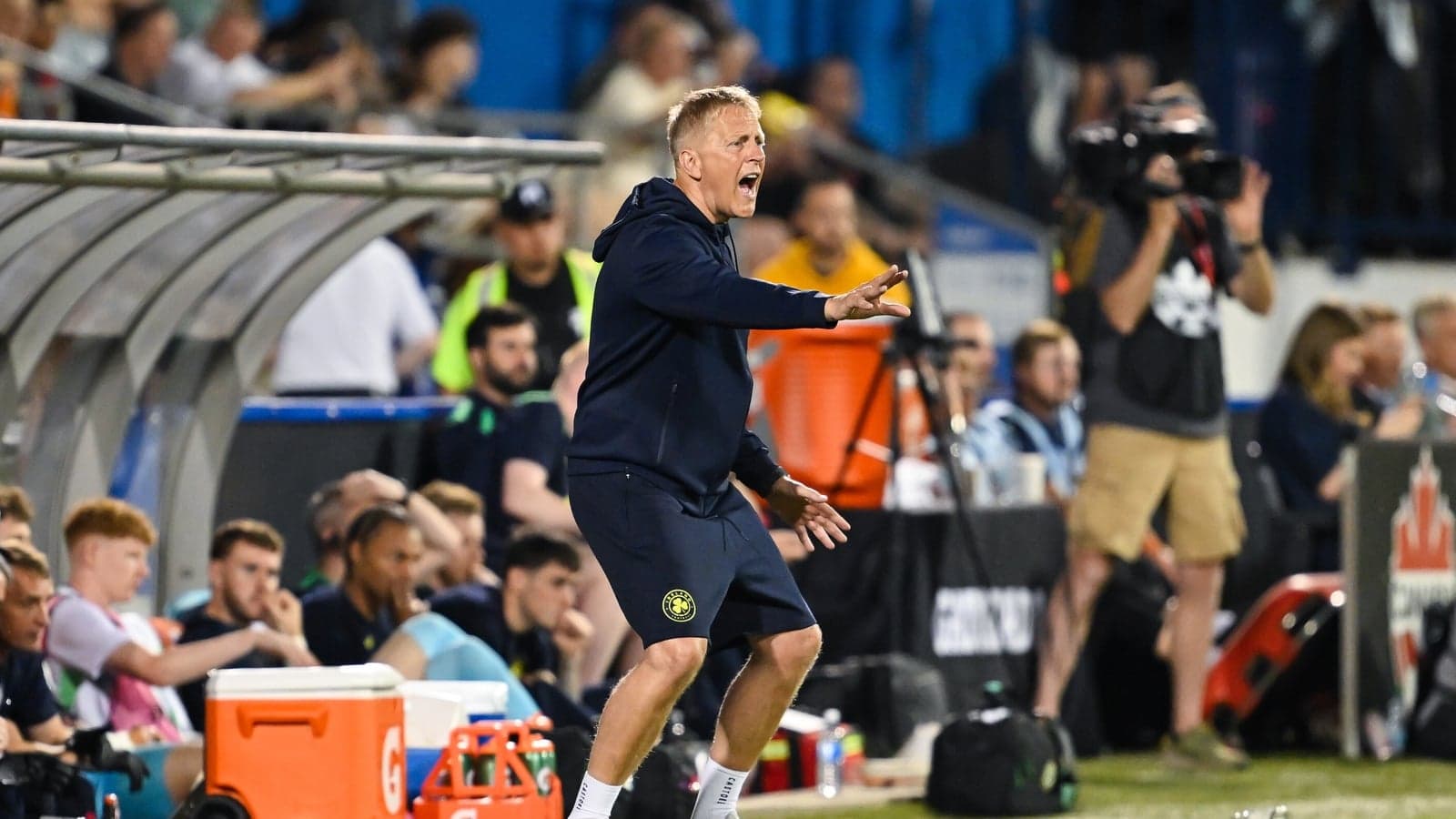
Ireland’s 1-1 draw with Canada will go into the books as a solid away result, a night of debuts and broadened horizons. On the touchline and in the dressing room, it felt very different. Hallgrimsson saw 45 minutes that cut right across everything he has tried to build.
“It was unlike everything we have done in recent games,” he told RTÉ Sport, and you could hear it – the edge, the irritation. For the first time, he was genuinely unhappy.
Flat start, harsh lesson
Yes, this was an experimental XI. Dawson Devoy straight into the side, the first League of Ireland player capped since Jack Byrne in November 2020. New combinations all over the pitch. A humid Montreal evening. A long season in tired legs.
None of that softened the manager’s view.
Everything about Ireland’s opening spell felt off. The tempo sagged. Canada dictated. Ireland reacted instead of dictating themselves. When Jake O’Brien turned the ball into his own net to give the hosts the lead, it felt less like a shock and more like the inevitable consequence of that passivity.
“Everything was flat, there was no decision making,” Hallgrimsson said. “We were waiting for what they were going to do and then reacting to that.”
He had seen it even earlier. In the warm-up.
Sluggish bodies. Heavy legs. Maybe the humidity. Maybe the heat. Maybe the training load across a 24-day camp that has stretched from Spain to North America. Whatever the cause, the outcome was clear: Canada “deserved to score”, and Ireland, in their manager’s words, were “lucky to go 1-0 down at half-time.”
Lucky. From a coach who has chosen his words carefully since taking over, that was a telling line.
A different Ireland after the break
So the interval wasn’t gentle. It was a reset.
“At the break we had to change it; we had to be braver going forward and we had to press,” Hallgrimsson explained. “Just be quicker doing everything.”
The response came quickly. With Liam Scales and Jamie McGrath introduced, Ireland looked more balanced, more aggressive, more like a Hallgrimsson team. The press snapped into life. Passes went forward, not sideways. Players stepped into risk instead of hiding from it.
“The decision making was better in the second half and it was black and white for me,” he said. First-half Ireland and second-half Ireland might as well have been two different sides.
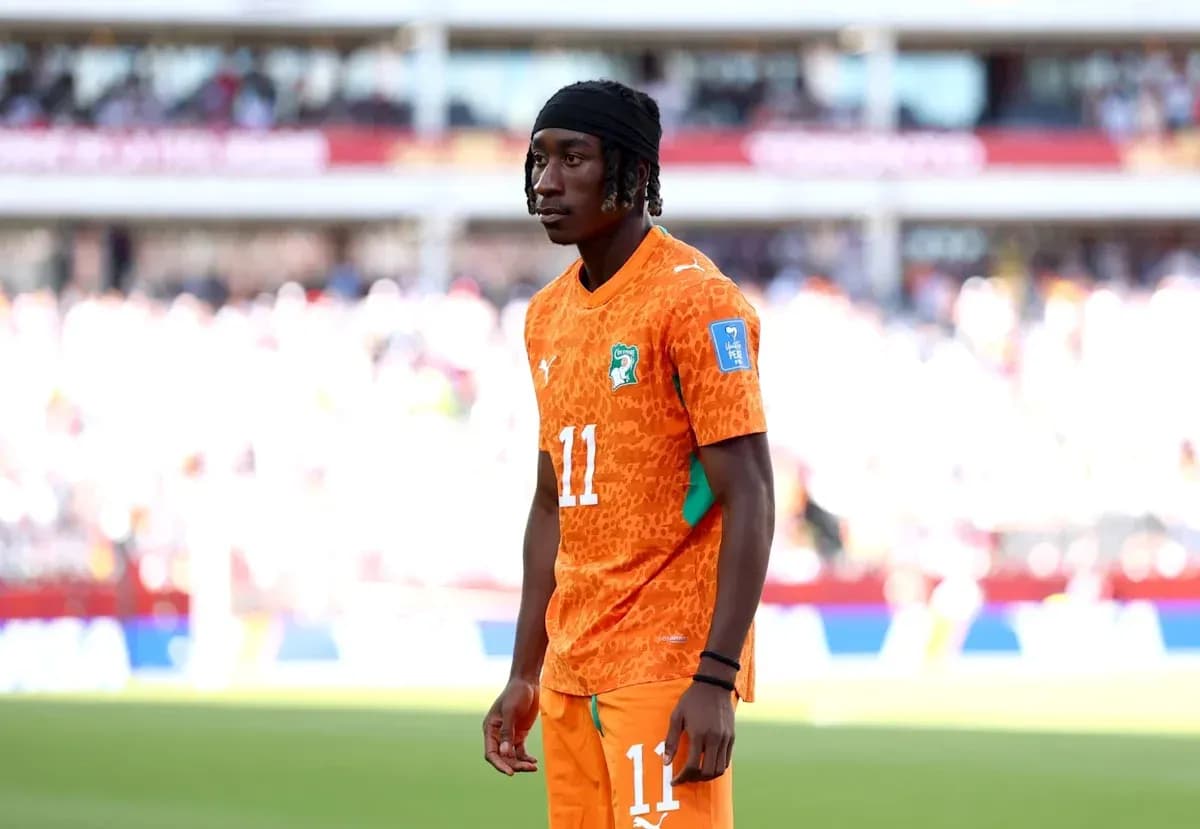
The equaliser summed up that change in mindset. Troy Parrott stepped up to take a penalty, missed, but Chiedozie Ogbene had followed in with conviction, not hope. He had already made up his mind to attack the rebound, even if he expected Parrott to score.
“I had confidence that Troy was going to score,” Ogbene said. “I was outside the box, mimicked his run up, I was fortunate the ball landed on my feet and I was able tap it in.”
Fortune favours the ones who move. Ireland finally had one of those on their side.
From there, the game opened. Devoy went close. So did Mason Melia. Canada carved chances of their own. For all Ireland’s late push, Hallgrimsson refused to dress it up.
“We could have stolen it but I think it would have been a theft,” he admitted. “We were happy with the draw but it would have been nice to steal it at the end.”
Debuts, depth and a longer game
If the first 45 minutes annoyed him, the broader picture of the camp clearly pleased him.
Hallgrimsson has used these end-of-season weeks not as a wind-down but as a laboratory. Twenty-one players involved in Spain, 27 across these camps. The net is wider than at any point in recent memory, and the League of Ireland is firmly in the frame.
Devoy didn’t just travel; he started. Later in Montreal, St Pat’s attacking midfielder Kian Leavy and Shamrock Rovers teenager Adam Brennan came off the bench, joining Portugal-based Joe Hodge in a late wave of fresh faces. Recent debutants Jaden Umeh and Corrie Ndaba were handed first starts.
This wasn’t tokenism. It was deliberate.
“It would have been easy for us to make it a joke camp after a long season, players are tired, and after that defeat in Czechia,” Hallgrimsson said. “We used this as 24 days in camp; we used it to think about the future and to deepen the squad. This camp will not only benefit us now but also in the future.”
He is clearly banking on that future. So are the players who will lead it.
Ogbene, just off a loan spell at Sheffield United and now a senior figure in this group, felt the energy around the new arrivals.
“All these guys deserve to be here, they showed well in training and there was a good feeling about this camp,” he said. Then he went further. “I have goose bumps in my stomach for the future of Ireland. I’m just so excited.”
Promise and a warning
That line captures where Ireland stand under Hallgrimsson: excitement, but not without warning.
Montreal showed both sides of the project. A first half that betrayed his principles. A second half that underlined them. A squad stretched and tested, with domestic talent trusted and thrown into real international minutes, not just handed ceremonial cameos.
The Nations League looms in the autumn. These 24 days, the heat, the humidity, the fatigue, the debuts – they are all investments in that campaign. Hallgrimsson has made it clear he will not accept a team that waits and reacts.
Canada away offered a glimpse of what happens when they do. The next question is whether Ireland can bottle that second-half bravery and carry it into competitive football, when the experiments stop and the results start to define the era.