Inter Dominates Lazio 3-0 at Stadio Olimpico
Under the late-afternoon glare at Stadio Olimpico, this was billed as a clash of identities as much as a meeting of league positions. Following this result, the table tells its own story: Lazio, 8th in Serie A with 51 points and a modest overall goal difference of 2 (39 scored, 37 conceded), were dismantled 3-0 at home by a relentless Inter side who sit top with 85 points and a towering overall goal difference of 54 (85 for, 31 against). Over 36 matches, Lazio’s season has been about balance and fine margins; Inter’s has been about power, control and ruthless efficiency. This match underlined the gap.
Maurizio Sarri stayed loyal to Lazio’s seasonal DNA, rolling out the familiar 4-3-3 that has been used in 34 league matches. E. Motta started in goal, shielded by a back four of L. Pellegrini, A. Romagnoli, M. Gila and A. Marusic. The midfield trio of T. Basic, N. Rovella and F. Dele-Bashiru was tasked with threading passes through Inter’s press, while a front three of Pedro, T. Noslin and M. Cancellieri aimed to stretch the visitors’ three-man defence.
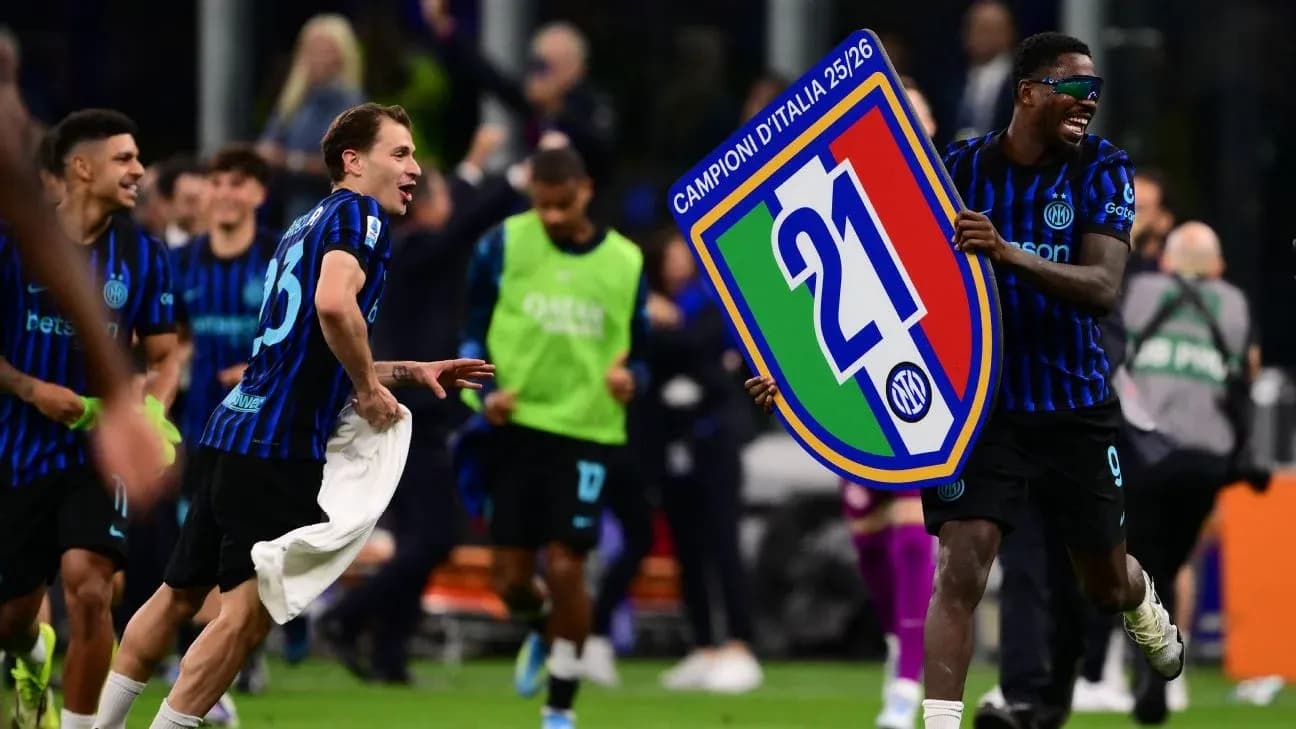
Cristian Chivu’s Inter, meanwhile, were the embodiment of continuity: a 3-5-2 that has started all 36 league games. J. Martinez in goal sat behind a defensive trio of A. Bastoni, F. Acerbi and Y. Bisseck. Across midfield, Carlos Augusto and A. Diouf patrolled the flanks, with H. Mkhitaryan, P. Sucic and N. Barella forming a technically gifted central band. Up front, the league’s most devastating partnership – L. Martinez and M. Thuram – led the line.
The tactical voids on both sides shaped the narrative. Lazio were without I. Provedel, D. Cataldi and the influential M. Zaccagni, all listed as “Missing Fixture”, stripping Sarri of his first-choice goalkeeper, a tempo-setting midfielder and his most direct wide threat. Inter, for their part, were missing H. Çalhanoğlu – one of Serie A’s standout midfielders this season with 9 goals and 4 assists – and F. Esposito. The absence of Çalhanoğlu removed Inter’s primary deep-lying conductor and penalty specialist (4 scored, 1 missed this season), but Chivu compensated by leaning on Barella’s verticality and Sucic’s energy.
Discipline has been a simmering theme of Lazio’s campaign, and it hovered over this fixture even without a flashpoint moment. Heading into this game, Lazio had accumulated late yellow cards in a pronounced wave: 27.40% of their cautions arriving between 76-90 minutes, with a further 15.07% in added time (91-105). Their red-card profile is even more stark: 62.50% of dismissals coming in the 76-90 window. Inter, in contrast, have been aggressive but controlled, with 30.65% of their yellows also clustered in the final quarter-hour but no reds at all in the league. That late-game emotional edge – Lazio’s tendency to fray, Inter’s to harden – framed the closing stages, even in a match effectively decided early.
The “Hunter vs Shield” duel tilted decisively Inter’s way. Lautaro Martínez arrived as Serie A’s leading scorer with 17 goals and 6 assists in 28 appearances, backed by 66 total shots and 37 on target. Alongside him, M. Thuram’s 13 goals and 6 assists made Inter’s front line the most complete in the division. Lazio’s defensive platform has been quietly solid overall, conceding 37 in total – an average of 1.3 goals at home and 0.7 on their travels – but Inter’s attack is on a different plane. On their travels, Inter average 2.0 goals per game, while at home that figure climbs to 2.7; overall they sit at 2.4. The numbers foretold danger, and the 0-3 scoreline merely confirmed it.
Within that, A. Romagnoli and M. Gila were central to Lazio’s resistance plan. Romagnoli, a high-volume passer with 1,942 total passes at 93% accuracy and a red card already on his seasonal record, needed to marshal the line without overstepping the disciplinary line. Gila, one of Lazio’s standout defenders this season with 44 tackles, 16 successful blocks and 23 interceptions, was tasked with stepping out to meet Thuram’s runs and contest aerial duels. Yet Inter’s fluidity – Thuram drifting wide, Lautaro dropping into pockets – constantly forced them into uncomfortable decisions.
The “Engine Room” battle in midfield was equally decisive. For Lazio, N. Rovella’s role as metronome was complicated by the need to evade Inter’s aggressive central trio. F. Dele-Bashiru and T. Basic had to shuttle relentlessly, but Inter’s structure gave them little respite. Barella, who has 8 assists and 3 goals this season and has completed 1,725 passes with 72 key passes, acted as the primary enforcer-playmaker hybrid: snapping into duels (228 total, 111 won) and then immediately progressing play. Around him, Mkhitaryan’s timing and Sucic’s legs filled the spaces Çalhanoğlu normally occupies.
Out wide, Carlos Augusto and A. Diouf pinned back Lazio’s full-backs, blunting Pedro and Cancellieri. With Lazio having failed to score in 16 matches overall this season – 6 times at home, 10 on their travels – the structural issue of chance creation against elite blocks resurfaced. Inter, by contrast, have only failed to score twice all campaign, underscoring the gulf in attacking reliability.
From a statistical prognosis standpoint, the result aligns cleanly with the season-long trends. Inter’s defensive record on their travels – 16 goals conceded in 18 away matches, an average of 0.9 – always suggested that Lazio’s home average of 1.4 goals would be dragged down rather than elevated. Inter’s 18 clean sheets overall, including 10 on their travels, reflect a unit comfortable defending both high and deep.
Even without explicit xG values, the underlying indicators are clear: Inter generate volume and quality consistently, while suppressing opponents’ opportunities through structure and control. Lazio, with a total scoring average of 1.1 and conceding 1.0, live in tight margins; Inter operate in wider, more decisive bands. Following this result, the 3-0 scoreline at the Olimpico reads less like a surprise and more like the logical endpoint of two divergent tactical projects – one still searching for a cutting edge, the other ruthlessly honed at both ends of the pitch.