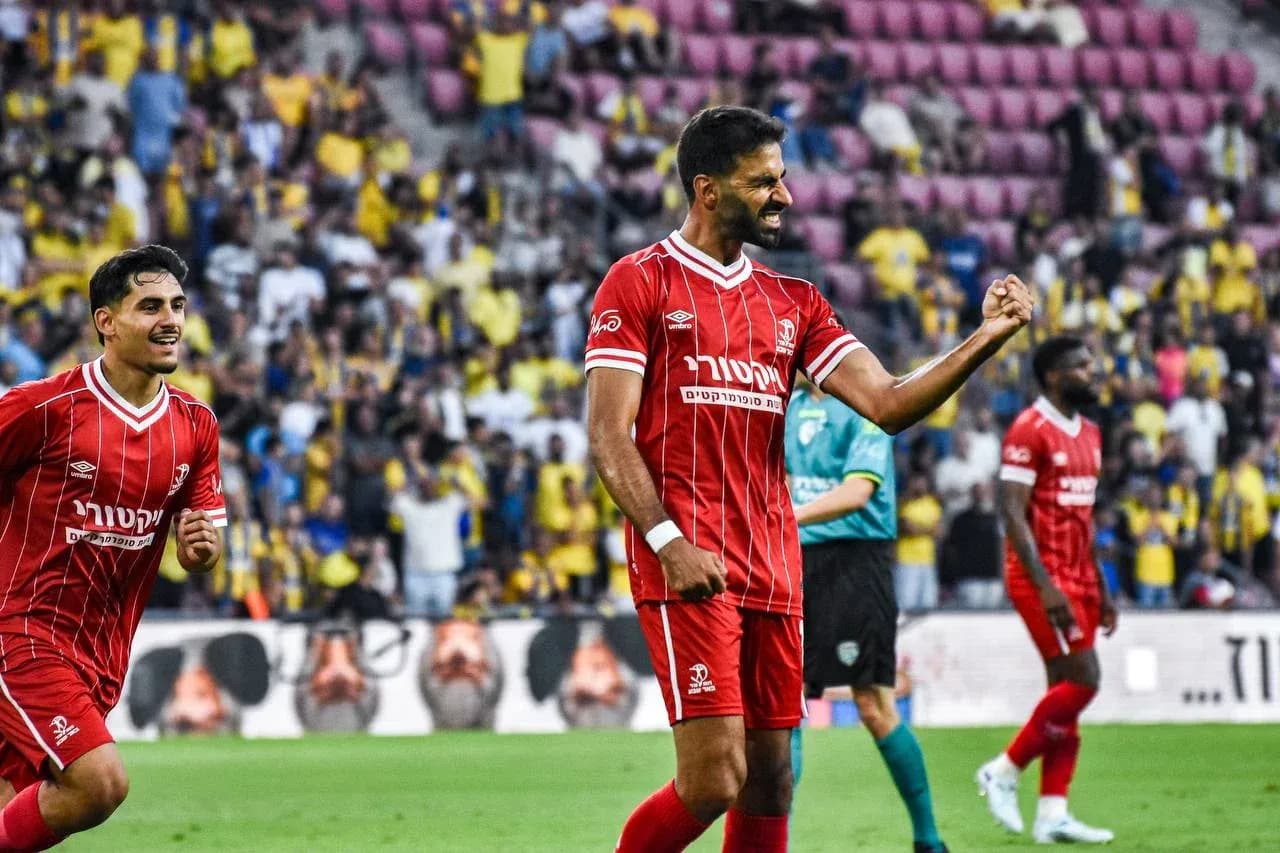
Hapoel Beer Sheva vs Vikingur Reykjavik: UEFA Champions League 2nd Qualifying Round
At Toto Turner Stadium, Hapoel Beer Sheva host Vikingur Reykjavik in the second leg of the UEFA Champions League 2nd Qualifying Round, a pivotal tie for both clubs’ hopes of progressing toward the lucrative group stage and securing a significant financial and sporting boost for their 2026 campaign.
Head-to-Head Tactical Summary
The sides have met once in this tie so far. On 21 July 2026 at Víkingsvollur Stadium in Reykjavik, Vikingur Reykjavik, playing at home, beat Hapoel Beer Sheva 2–1 in the first leg of the 2nd Qualifying Round. The match was goalless at half-time (0–0) before opening up after the break, leaving Vikingur with a narrow one-goal advantage to defend in Israel.
Global Season Picture
- League Phase Performance: There is no group-stage standings data available yet for either Hapoel Beer Sheva or Vikingur Reykjavik in the 2026 UEFA Champions League, so their current rank, points, and aggregate goals for and against in the league phase cannot be quantified from standings.
- Season Metrics: In the league phase so far, Hapoel Beer Sheva have played 1 match, losing it away, scoring 1 goal and conceding 2. They have used a 4-3-3 shape in that game and have not kept a clean sheet. Their disciplinary profile shows 2 yellow cards, split between the 31–45 and 61–75 minute ranges, indicating some reactive defending in key phases. Vikingur Reykjavik have played 3 matches in this qualifying campaign (2 home, 1 away), with 2 wins and 1 draw, scoring 5 and conceding 3. They also favour a 4-3-3 setup, have 1 clean sheet, and have accumulated yellow cards mainly late in games (3 in the 76–90 minute range), suggesting a tendency to defend leads aggressively in closing stages. No possession or expected goals data is available, so efficiency must be inferred from goals and results alone.
- Form Trajectory: Hapoel Beer Sheva’s form string is a single “L”, reflecting one defeat from one match and an immediate need to respond. Vikingur Reykjavik’s “WDW” sequence shows an unbeaten start with two wins and one draw; they have yet to lose in this qualifying run and are trending positively in terms of both results and goal output.
Tactical Efficiency
Across these early qualifying fixtures, Vikingur Reykjavik have been more efficient in both boxes. Their record of 5 goals scored in 3 matches versus 3 conceded points to a functional attack and a defence that, while not watertight, has generally held up under pressure and produced one clean sheet. Hapoel Beer Sheva’s single outing produced 1 goal and 2 conceded, underlining a narrow attacking threat but also vulnerability when forced to defend transitions and set plays. Both sides’ consistent use of 4-3-3 suggests a duel between similar structures: Vikingur’s sharper execution in wide areas and late-game management has delivered results so far, whereas Hapoel must tighten their defensive timing (given their card timings) and increase penalty-box presence if they are to overturn the first-leg deficit.
The Verdict: Seasonal Impact
The outcome of this second leg will heavily shape both clubs’ 2026 trajectory. For Hapoel Beer Sheva, overturning a 2–1 first-leg deficit at home would keep their Champions League path alive, preserve access to higher-level opposition later in the year, and maintain the financial upside that underpins squad building and domestic title ambitions. Failure to progress would likely redirect their focus toward domestic competition and any potential secondary European route, but with reduced leverage in the transfer market and less margin for error in their home league. For Vikingur Reykjavik, successfully protecting or extending their aggregate lead would mark a major step toward the Champions League group stage, enhancing the club’s profile, revenue, and ability to retain key players. It would also reinforce their status as a rising force regionally, allowing them to approach domestic fixtures from a position of strength. In seasonal terms, this tie is a gatekeeper: progression keeps Champions League ambitions intact and broadens competitive horizons; elimination compresses objectives back to domestic success and a more limited European footprint.