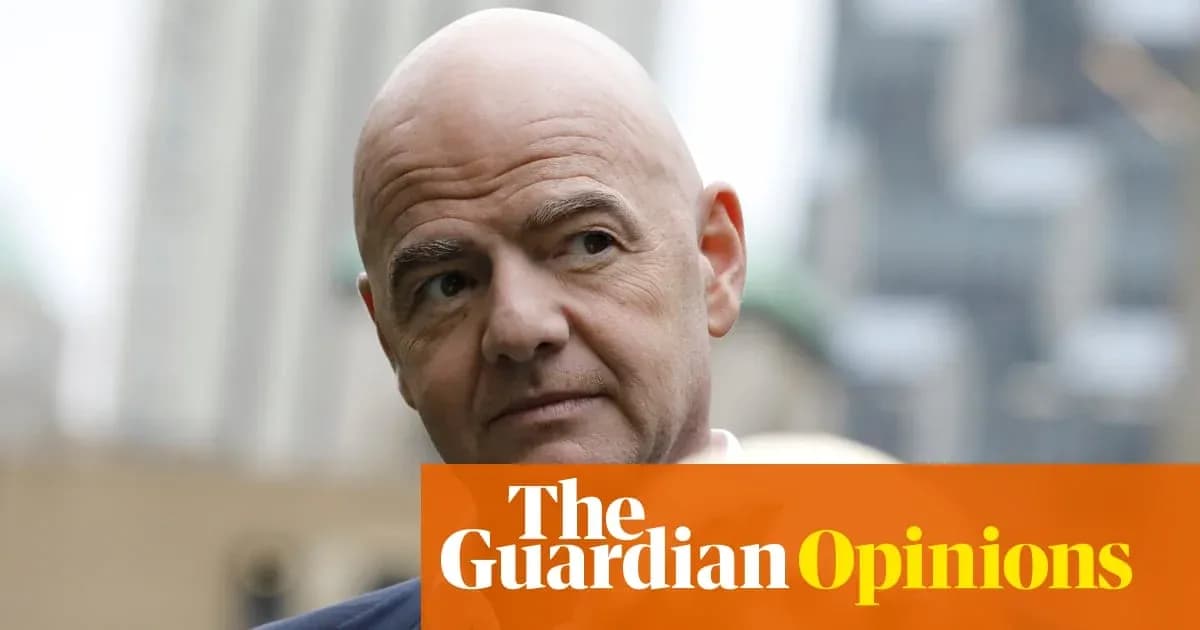
Gianni Infantino's Presidency: Growth and Controversy in FIFA
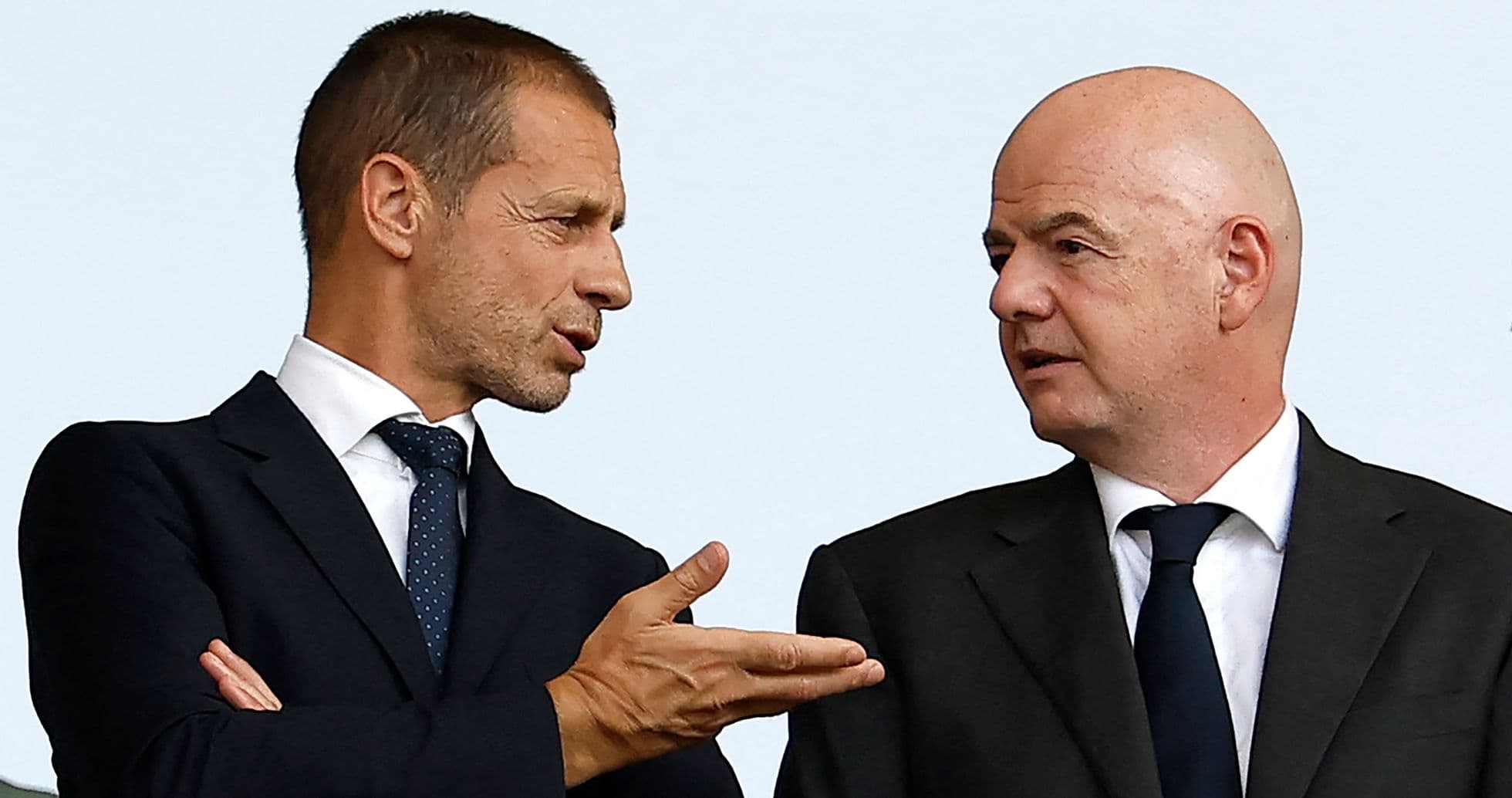
When Gianni Infantino walked into the Fifa presidency in 2016, the mood was oddly hopeful. Football had just staggered out of the Blatter era, bruised and embarrassed. Here came the bald technocrat from Switzerland, talking about “restoring the image of Fifa”, about accountability and transparency. He even predicted that “everyone in the world will applaud us”.
But beneath the reformist gloss, the real sales pitch to the 211 member associations was blunt: vote for me and expect a “very significant increase” in funding. The money would flow. The system would stay.
There were early whispers about private jets and a taste for luxury, but Infantino was still framed as a tidy Swiss administrator, a safe pair of hands. No one uses that description now. Inside the game, the language has shifted. One phrase keeps coming back: “He thinks he’s running a nation state.”
That line has never felt more apt than this week, as Fifa pushes ahead with plans to sell a slice of the World Cup’s commercial rights to outside investors, without anything resembling meaningful consultation. It is a move entirely in tune with Infantino’s presidency: relentless growth, bigger tournaments, bigger cheques, bigger reach. The game as a global asset to be maximised.
From the moment he took office, expansion has been his signature. In 2016 he floated the idea of enlarging the World Cup and revamping the Club World Cup. Two years later came the pitch for a global Nations League, to be delivered via a new corporate vehicle backed by external capital. That scheme collapsed under pressure, but the direction of travel was clear.
By 2017, the 2026 World Cup had been locked in at 48 teams. In 2021, the doomed Super League project unfolded with a striking detail: the 12 breakaway clubs reportedly believed Fifa would ultimately support them. The backing never came, the plan imploded, but it underlined the sense that Infantino’s Fifa was open to radical rewiring of the game’s structures.
Then, at the end of that same year, he went further again, announcing a push to make the World Cup a biennial event. The calendar, already straining, would be bent again around Fifa’s flagship product.
The tempo has only increased since football emerged from the Covid-19 pandemic with gaping financial holes. Fifa moved to plug some of those gaps through its Forward Programme, but the response from Zurich has not been austerity or consolidation. It has been acceleration.
A 32-team Club World Cup is being launched, with talk of expansion already in the air. The 2034 World Cup went to Saudi Arabia in a process so swift and uncontested it barely resembled a race. The 2030 edition will sprawl across three continents and six host nations, with the possibility still hanging that the field could swell to 64 teams. Even the micro-detail of the game has not escaped his reach: mandatory hydration breaks appeared on the agenda late last year.
So the question keeps echoing in boardrooms and back corridors: what is driving this? What is it that keeps Infantino pushing for more?
The standard explanation is patronage. Bigger tournaments generate more revenue, which Fifa then redistributes to its member associations. Those associations, in turn, form the electorate that secures the president’s mandate. Keep the money flowing, keep the votes coming.
There is logic there. Infantino has effectively tripled Fifa’s revenues since taking office. That kind of growth buys loyalty. On top of that, he has already reworked the rules on presidential term limits, clearing the way for what is expected to be a third full term. Yet even under the revised statutes, that term should be his last. If power is the prize, he has already locked in more than most.
The latest commercial scheme has sparked a different theory: that Infantino is building a soft landing for life after the presidency. Reports in the Times suggested he could become CEO of the new commercial entity once he steps down, moving from the head of a nominally non-profit organisation to a corporate role with a salary to match. Fifa has flatly denied any such discussions, and there is no hard evidence of a done deal. Still, the idea lingers around the project, hard to fully dismiss.
Yet even that feels too neat to explain the sheer volume and scale of the changes pushed through on his watch.
Another, more stripped-back reading has gained traction among senior figures in the game: Infantino is enthralled by status and power. The story is familiar inside Fifa circles. The Italian kid, working class in wealthy Switzerland, mocked for his ginger hair, grows up to sit at the top table of world football. Once there, he develops a clear taste for the high life.
The signs have been there from the start. Alongside the private jets came the carefully choreographed entourages. He assembled a group of ex-players, branded as Fifa Legends, to bolster his 2016 campaign. Celebrity became part of the political toolkit.
As president, his ambitions have moved beyond the dressing room. He now seeks out heads of state, not just head coaches. His relationships with Vladimir Putin, the emir of Qatar, the crown prince of Saudi Arabia and, eventually, the US president, Donald Trump, have placed him in a different frame: not as a sports administrator, but as a quasi-political operator. He has started to adopt the language, posture and habits of those he now courts.
That perceived elevation has brought with it a sense of impunity. Inside Fifa, resistance has been muted. Across the wider game, objections flare up, then fade. One reform follows another. One expansion leads to the next. World Cups are parcelled out, competitions inflated, calendars stretched.
Yet the kind of political alliances Infantino now leans on are rarely built on sentiment. They are transactional, unstable, and they come with a bill attached.
Behind the scenes, some insiders believe the cost of those alliances is starting to land. One senior football figure, speaking about the new commercial venture, insisted the project was not truly Infantino’s own. “Gianni has got in way over his head with Trump,” they said. “He [Trump] is now extracting his share of the World Cup rewards.”
If that reading is right, the story of Infantino’s presidency is no longer just about a Fifa boss addicted to growth. It becomes something sharper: a leader who turned the world’s biggest sport into a bargaining chip at tables where football is only ever the means, never the end.