France Dominates Norway as Dembélé Shines
The posters sold a duel. Kylian Mbappé against Erling Haaland. Golden Boot heavyweights, centre stage in Boston.
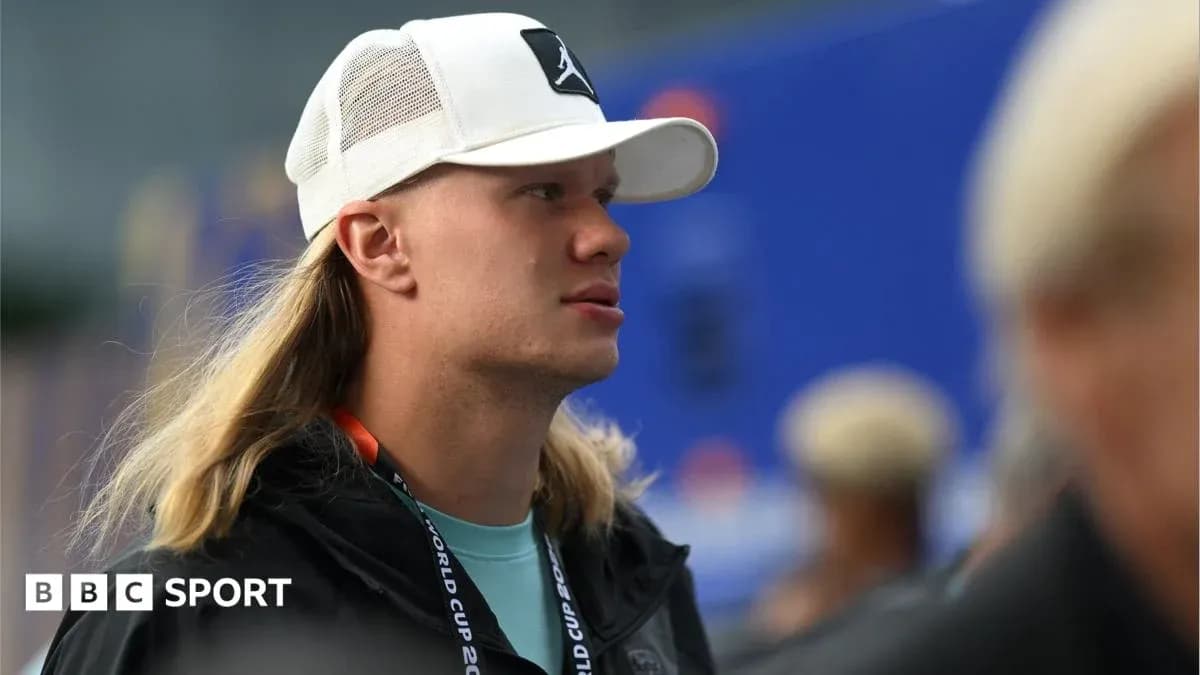
The reality? Haaland sat in a tracksuit, and Ousmane Dembélé tore the script to pieces.
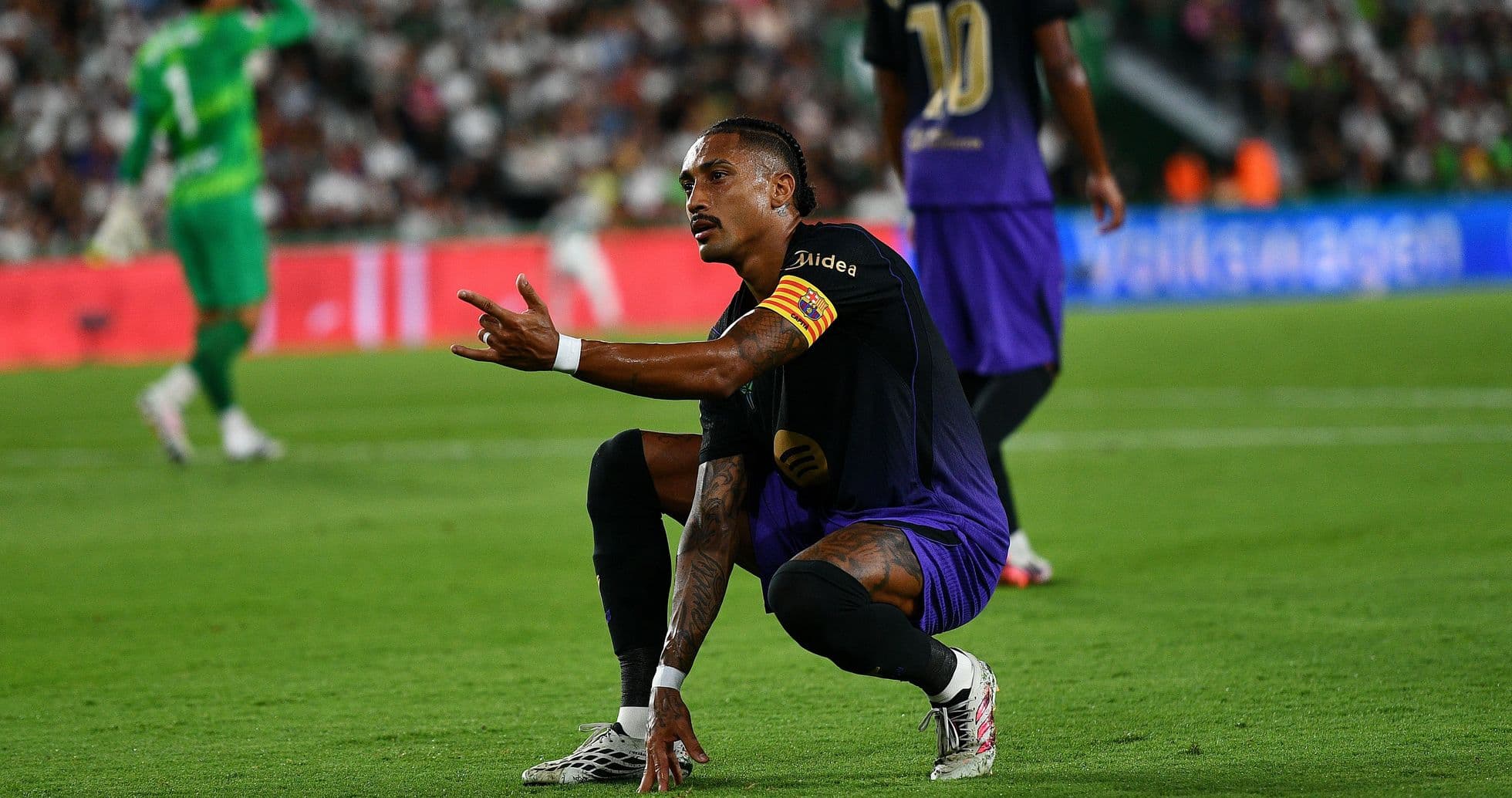
By the time the Ballon d'Or winner walked off at half-time, he had a 25‑minute hat-trick, France were cruising, and Norway’s gamble on rotation looked like a gift wrapped in red, white and blue. Les Bleus strolled to a 4-1 win, sealed top spot in Group I and barely broke sweat doing it.
Haaland sits, Dembélé explodes
The tone was set almost instantly. Inside the opening minute, Mbappé rattled the underside of the crossbar, a thunderous warning that France’s frontline had come to play. Norway never really recovered from that early jolt.
Ståle Solbakken had already rolled the dice. With qualification secured, he made 10 changes and, crucially, left Haaland out of the starting XI for the first time since 2024. The Manchester City striker, who had scored four in his first two group games, watched on as his stand-ins tried to live with a France side loaded with pace and precision.
Solbakken called it “a no-brainer”. The medical and fitness staff agreed. So did some of the players, according to the coach. The only hesitation, he admitted, was for the Norway supporters who had crossed the Atlantic dreaming of seeing Haaland and Martin Ødegaard take on Mbappé and company.
Their absence shaped everything.
France swarmed all over a makeshift Norwegian side, and Dembélé feasted on the space. The winger’s movement shredded a reworked back line that had already looked heavy-legged in the analysis Solbakken referenced after the win over Senegal, when “five or six players” were “very affected” by the final stages.
The pressure finally told. Then it told again. And again. Dembélé’s hat-trick, all inside 25 first-half minutes, turned a billed blockbuster into a procession.
Norway’s big call under the microscope
This was the resting of a superstar on a global stage, and it divided opinion long before kick-off.
“If Erling Haaland needs a rest for the latter stages of the tournament he will take that,” Ian Wright said on ITV Sport, acknowledging the logic but still sounding unconvinced. He later admitted he was “surprised” by the sheer scale of the changes, especially after Norway had named the same XI for their wins over Iraq and Senegal.
Pat Nevin, speaking on BBC Radio 5 Live, zoomed out to the bigger picture. The distances in this tournament are brutal, he pointed out. Lose this game, uproot the squad, travel thousands of miles, and you pay a different kind of price. Keep everyone “completely and utterly fit” and maybe that trade-off works.
Norway’s style adds another layer. “It is a very, very physical style that the Norwegians play,” Nevin said. Push that intensity again with the full-strength side, pick up two injuries, and the whole campaign tilts. From that angle, the decision to rotate looks pragmatic, even coldly sensible.
Yet the football itself told a harsher story. Without their usual spine, Norway lacked presence. Nevin underlined it: with their “normal side”, they can field about six players over 6ft 4in or 6ft 5in, including Haaland. That kind of size and quality would have posed a very different question for France. It would not have offered them the same freedom to cut through lines and flood the final third.
Instead, Norway’s deputy striker, Jørgen Strand Larsen, missed the key moment that could have dragged them back into it. With Haaland still on the bench, he failed from the penalty spot at 3-1, a chance that would have made it 3-2 after half-time and injected real tension into a game that had drifted away from them.
Fans pay, France profit
In the stands, thousands of Norwegian fans wrestled with conflicting emotions. They had spent heavily to follow their team to the United States, only to see their biggest names left out of one of the showpiece fixtures of the group stage.
There was head-scratching when the team news dropped. Then came resignation, and then defiance. The travelling support refused to let the selection call ruin the occasion, breaking into their Viking-style rowing celebration before and during the game, even as Dembélé and France sliced through their rotated side.
On the pitch, France simply took what they were given. Three wins from three, top of Group I, and the kind of rhythm every contender craves heading into the knockouts. They now head to the nearby New York New Jersey Stadium on 30 June for a last‑32 tie against the runners-up in Group F or G, still based in their East Coast hub, still in control of their schedule.
Norway’s path looks very different.
Long road to Texas
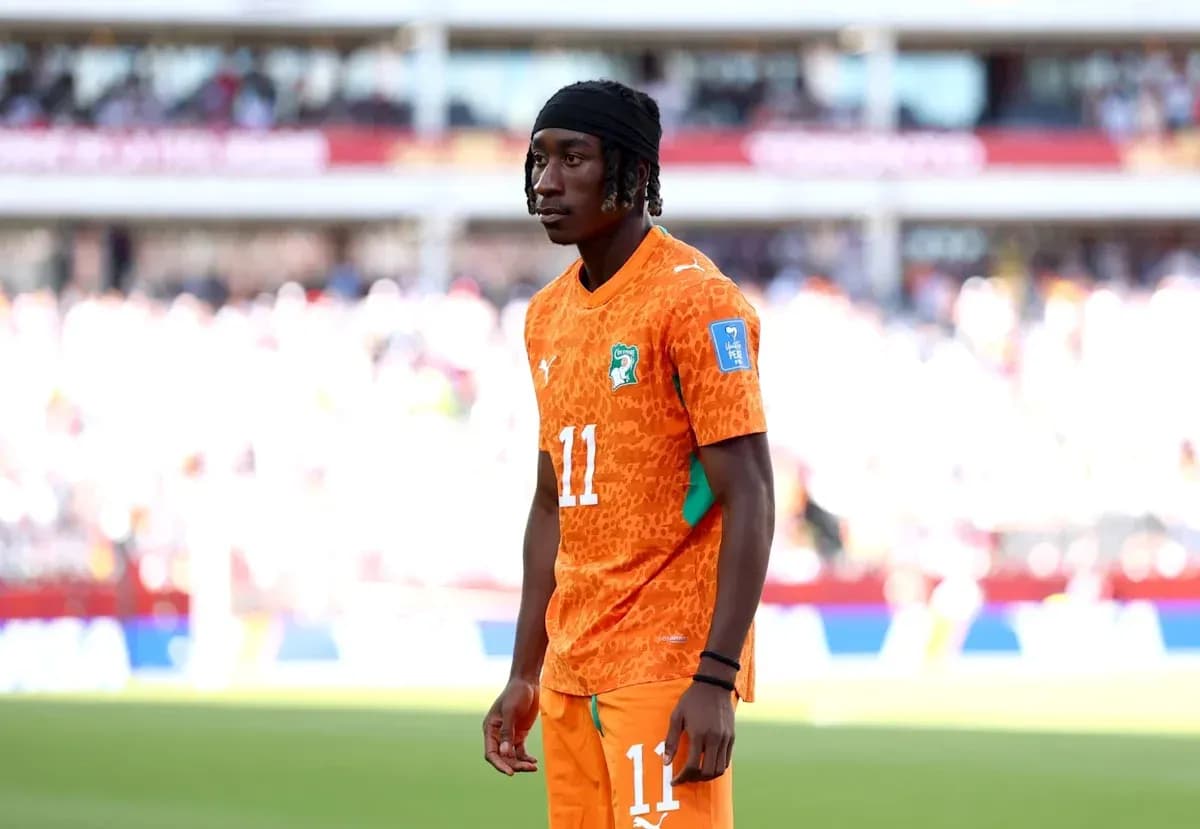
By slipping to second, Solbakken’s men earned themselves a 1,100‑mile journey. They will leave their base in Greensboro, North Carolina, and fly to Arlington, Texas, to face Ivory Coast in the last 32 on the same day France play.
Had they topped the group, that journey would have been roughly half the distance. The calculation is clear: fresher legs, longer flights. Less wear and tear on the stars, more on the travel itinerary.
If Norway overcome Ivory Coast, the road leads back north. New Jersey awaits on 5 July, with a last‑16 tie against the winners of Brazil-Japan. That is the stage Solbakken has been aiming at from the moment he rotated so heavily in Boston.
Haaland himself had already stripped the emotion out of this group finale after his double in the 3-2 win over Senegal secured qualification. “I couldn’t care too much about that game now,” he said. “They’re probably going to win against us. They’re probably going to win the whole tournament.”
France did win. Convincingly. Whether they go on to “win the whole tournament” is another story.
For Norway, the question is different. When they finally unleash a fully rested Haaland and a recharged core in the knockouts, will the long detour through Texas look like a masterstroke of planning—or the night they surrendered momentum to chase freshness?