FK Crvena Zvezda vs Hapoel Beer Sheva: UEFA Champions League Qualifiers
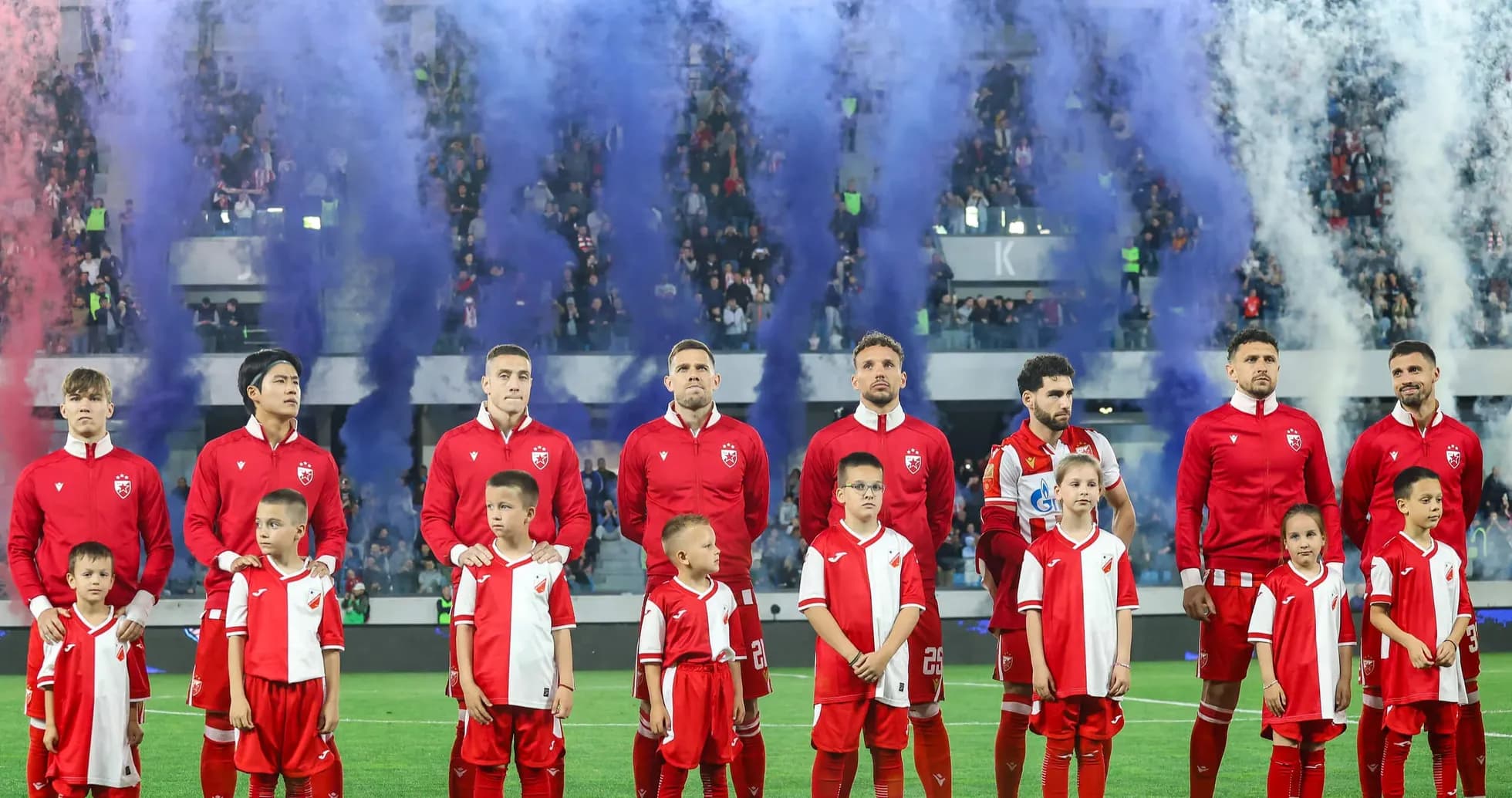
FK Crvena Zvezda host Hapoel Beer Sheva at Stadion Rajko Mit in Belgrade in the second leg of the UEFA Champions League 3rd Qualifying Round, a pivotal tie for both clubs’ hopes of reaching the playoff round and staying on track for the lucrative group stage.
Head-to-Head Tactical Summary
The only recent meeting between these sides came in the first leg on 4 August 2026 in Szombathely, where Hapoel Beer Sheva, as the home team, beat FK Crvena Zvezda 1–0. The match was decided early, with Hapoel leading 1–0 at half-time and successfully protecting that advantage to full time. That pattern underlines Hapoel’s ability to manage a lead and Crvena Zvezda’s difficulty in breaking them down once behind.
Global Season Picture
- League Phase Performance: There is no group stage standings data yet for the 2026 UEFA Champions League qualifiers, so rank, points, and aggregate goals in the competition phase cannot be precisely quantified from standings. The picture instead comes from early qualifying-round match records.
- Season Metrics: In the current Champions League campaign, FK Crvena Zvezda have played 3 matches, winning 2 and losing 1, with 9 goals scored and only 1 conceded. That equates to a very high scoring rate (3.0 goals per match overall, including a 5–0 home win and a 4–0 away win) and an extremely tight defence (0.3 goals conceded per match, two clean sheets). Hapoel Beer Sheva have also played 3 matches, winning 2 and losing 1, with 4 goals scored and 2 conceded (1.3 scored and 0.7 conceded per match), including two home clean sheets and a single 2–1 away defeat. Card profiles suggest Crvena Zvezda’s bookings are spread across the match but spike late (half of their yellows in the final quarter-hour), while Hapoel’s intensity is highest between minutes 46–75, where most of their yellows and their only red card have occurred.
- Form Trajectory: FK Crvena Zvezda’s form line of “WWL” indicates they opened this European campaign with two straight wins before the setback in the first leg against Hapoel. Hapoel Beer Sheva’s “LWW” shows the inverse trajectory: an initial defeat followed by two consecutive victories, including the 1–0 home win over Crvena Zvezda. Momentum therefore leans slightly towards Hapoel, while underlying scoring and defensive numbers across all qualifiers still favour Crvena Zvezda.
Tactical Efficiency
Across these qualifiers, FK Crvena Zvezda have displayed a very aggressive attacking profile, averaging 3 goals per match and producing a 5–0 home win and 4–0 away win, suggesting a system that can overwhelm weaker or open opponents. Defensively they have been near-perfect, conceding just once in three games and keeping two clean sheets, which points to a compact structure and strong control of their penalty area.
Hapoel Beer Sheva’s attack has been more measured at 1.3 goals per match, but they have shown a knack for game management: two home wins to nil and a narrow 2–1 away defeat highlight a team that rarely collapses. Conceding only 2 goals in 3 matches (0.7 per game) and delivering two clean sheets demonstrates a disciplined defensive block, capable of holding a one-goal advantage as seen in the first leg.
In comparative terms, Crvena Zvezda’s attacking efficiency is higher in volume and peak output, while Hapoel’s edge lies in defensive resilience and control of tempo, especially at home. The tactical question for the second leg is whether Crvena Zvezda can translate their strong attacking averages into goals against a side that has so far conceded in just one of three European outings, and whether Hapoel’s conservative but efficient approach can withstand the pressure of an away fixture where a single goal for the hosts would immediately change the tie’s dynamics.
The Verdict: Seasonal Impact
This second leg has substantial seasonal implications for both clubs. For FK Crvena Zvezda, elimination at the 3rd Qualifying Round would be a significant setback: their early-round dominance in both attack and defence would not translate into progression, and they would likely drop into a lower-tier European competition, reducing both revenue and continental visibility. Progression, on the other hand, would validate their high-scoring profile, maintain their pathway toward the Champions League group stage, and keep alive ambitions of a deep European run in 2026.
For Hapoel Beer Sheva, defending a 1–0 lead away from home offers a realistic route to the playoff round. Advancing would mark a major step forward in their European status, underpinning a narrative of defensive solidity and tactical maturity after recovering from an opening loss to string together two wins. Failure to protect the advantage would expose the limits of their lower-volume attack and place more pressure on domestic competitions to salvage the season’s objectives.
Overall, this tie functions as a key inflection point: a Crvena Zvezda comeback would reassert them as a potent qualifying force, while a successful Hapoel Beer Sheva shutout or scoring draw would shift regional power perception and reshape both clubs’ European trajectories for 2026.