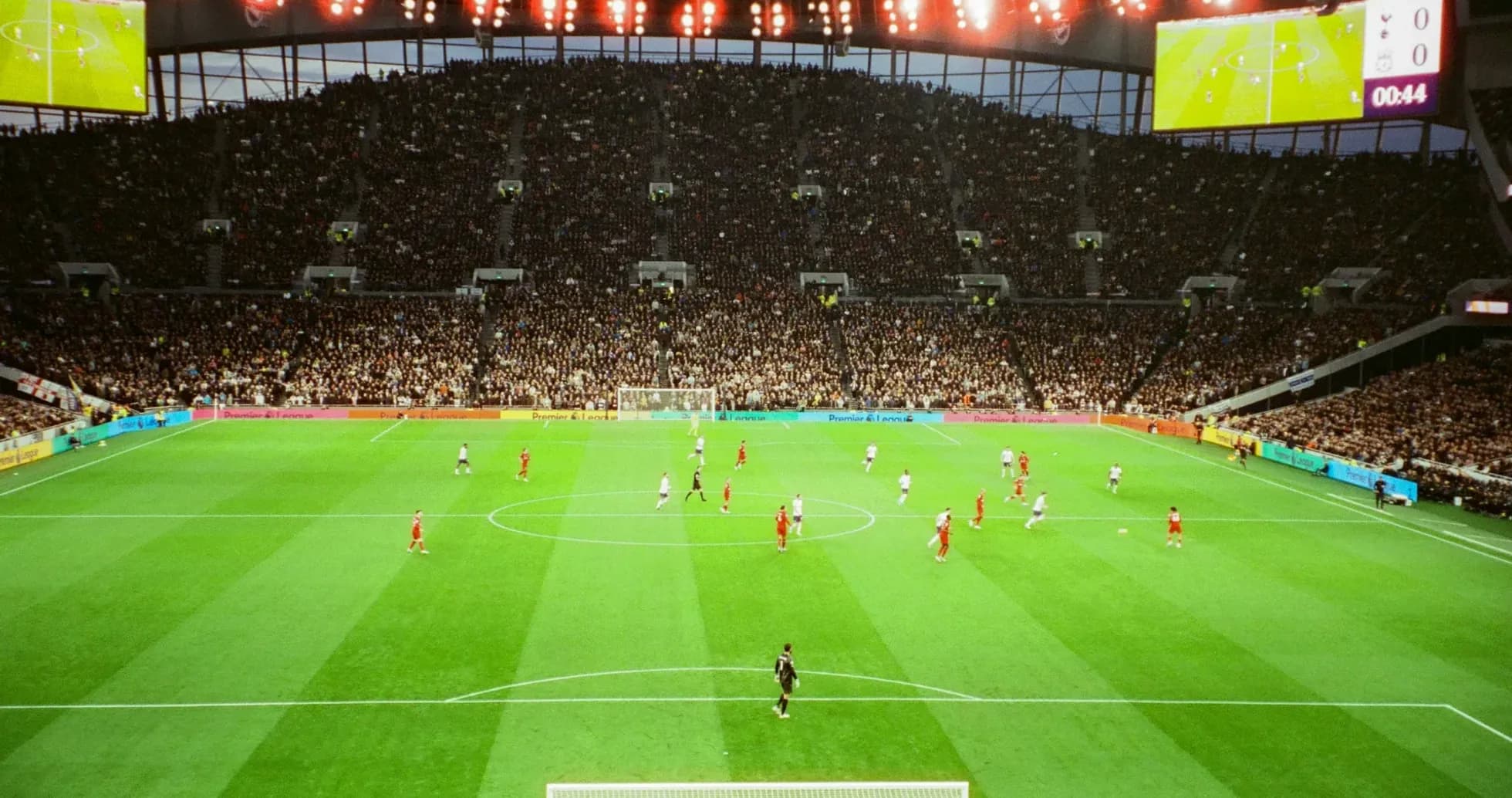
FK Crvena Zvezda vs Hapoel Beer Sheva: UEFA Champions League Preview
FK Crvena Zvezda host Hapoel Beer Sheva at Stadion Rajko Mit in Belgrade in the UEFA Champions League 3rd Qualifying Round, looking to overturn a 1–0 first-leg defeat played on neutral ground in Szombathely. With the tie finely poised, market prices and the model both lean strongly towards a home win on the night, even if qualification remains more delicate.
In terms of recent tournament form, both sides arrive with identical records over three Champions League fixtures: Crvena Zvezda’s league-form string is “WWL”, while Hapoel Beer Sheva’s is “LWW”. That means both have two wins and one loss in this competition so far. However, the underlying numbers show a clear difference in attacking ceiling. Crvena Zvezda have scored 9 goals and conceded just 1 across those 3 games, averaging 3.0 scored and 0.3 conceded. At home specifically, they have 5 goals for and 0 against in just one match, including a biggest home win of 5–0 and two clean sheets overall.
Hapoel Beer Sheva’s profile is more modest but solid. They have 4 goals scored and 2 conceded in 3 Champions League matches, averaging 1.3 for and 0.7 against. Both of their wins came at home (2–0 and 1–0 type results), with two clean sheets in their own stadium, but their only away game ended in a 2–1 defeat. That away defensive average of 2.0 conceded suggests vulnerability when they leave home, which is a key factor going into a hostile Belgrade environment.
Looking deeper at goal timings, Crvena Zvezda are dangerous throughout the 90 minutes. They have spread their 9 goals across all intervals, with their most productive spell between minutes 46–60 (3 goals, 33.33% of their total) and additional strikes late on (2 goals between 76–90). Defensively, they have conceded only once, between 31–45 minutes. Hapoel Beer Sheva, by contrast, tend to score later: all 4 of their goals have come from 31–90 minutes, one in each 15‑minute band. Defensively they have conceded once right after half-time (46–60) and twice late (76–90), which aligns with a pattern of tiring under pressure.
Head-to-Head
Head‑to‑head, the only competitive meeting on record is the first leg on 4 August 2026 at Haladás Sportkomplexum in Szombathely. Hapoel Beer Sheva were the home team there and won 1–0, leading 1–0 at half-time and seeing it out over 90 minutes. That gives the Israelis the aggregate advantage, but the prediction comparison block rates Crvena Zvezda significantly stronger overall: attack index 69 versus 31, defense 67 versus 33, and a total comparison of 62.0 versus 38.0. The Poisson index is extremely skewed towards the hosts (100 vs 0), underlining model confidence in a home win on the night despite the first-leg setback.
From a betting perspective, the official prediction model gives Crvena Zvezda a 45% chance to win, 45% for the draw, and only 10% for an away win. The advice is explicit: “Winner : FK Crvena Zvezda.” The bookmakers, however, are even more bullish on the hosts. Home odds range from 1.25 to 1.31 across major books (Betfair at 1.25 up to 10Bet and 1xBet at 1.31). That implies an unadjusted probability roughly between 76% (1/1.31 ≈ 76.3%) and 80% (1/1.25 = 80%). Draw prices sit between 4.94 and 6.12, implying about 16–20% probability, while away odds from 6.66 to 10.00 translate to around 10–15%.
Comparing model and market, the market is clearly more confident in the home win than the raw prediction percentages, and broadly agrees that an away victory is the least likely outcome. Given Crvena Zvezda’s explosive scoring (9 goals in 3 games, 5–0 in their only home tie) and Hapoel Beer Sheva’s weaker away record (one away loss, 2 goals conceded), the pricing looks justified.
Betting verdict: The core play, in line with the official advice and supported by odds, is FK Crvena Zvezda to win in 90 minutes. For those comfortable with short prices, the home win is a strong candidate for singles or accas. Given both teams’ recent defensive records (1 goal conceded by Zvezda, 2 by Hapoel in 3 games each), a home win in a relatively controlled scoreline (such as home win and under 4.5 goals, where available) also aligns with the data-driven profile of this tie.