Cristiano Ronaldo's Last World Cup: A Legacy Beyond Trophies
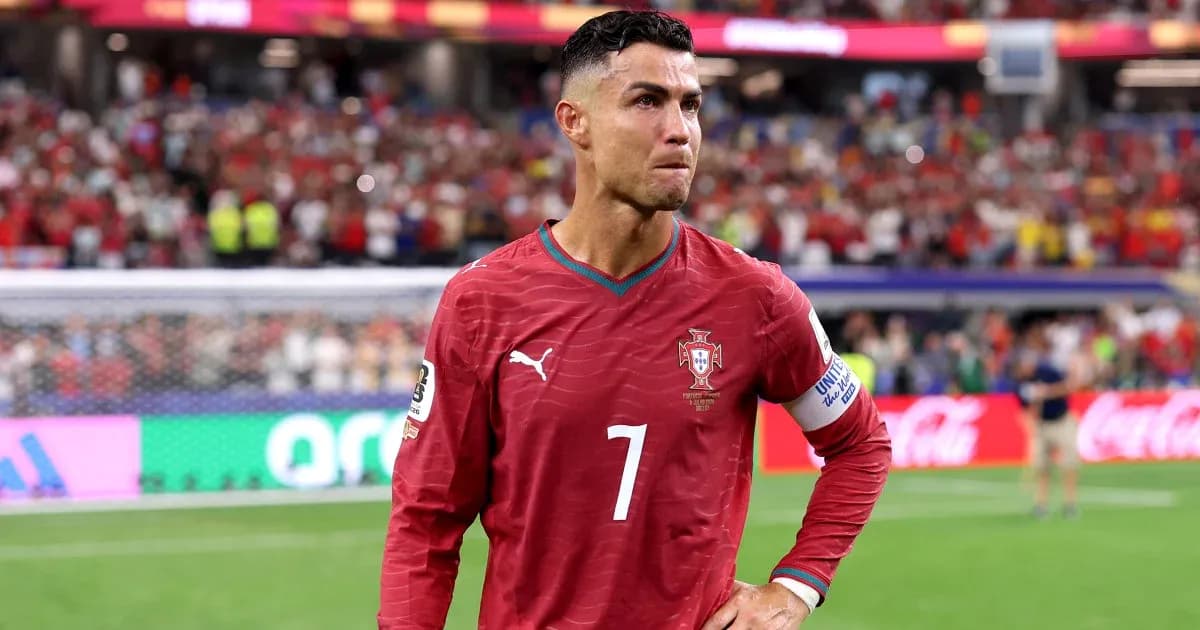
Cristiano Ronaldo walked off the World Cup stage for the last time with tears in his eyes and his head held as high as he could manage.
Portugal had just been knocked out in the round of 16, beaten 1-0 by Spain on Monday, undone at the death by Mikel Merino’s stoppage-time winner. A cruel, late punch to end a story that has stretched across two decades and six World Cups.
He knew this one was different. Final. Definitive.
“It’s normal, sad, to leave the World Cup like this,” Ronaldo said, speaking through an interpreter. The words were calm, the face wasn’t. “But, as I said yesterday at the press conference, I gave it my all, I gave my best. And I leave with a clear conscience.”
The emotion was raw, but the verdict on his own journey was settled long before this night. No World Cup trophy. Not even a final. Yet a legacy that does not bend to a single tournament.
A giant without the one trophy
Ronaldo will retire from World Cup duty without the prize that has haunted him and defined so many debates around him. His deepest run came in his very first World Cup, back in 2006, when a young winger with a sharp haircut and sharper stepovers helped Portugal reach the semifinals and finish fourth.
He never got that close again. But he kept coming back.
- Six World Cups.
- Twenty-seven matches.
- Eleven goals.
Only Lionel Messi, still going at 39 with Argentina, can say he has appeared at as many editions of the tournament on the men’s side.
By any rational measure, that is the career of a World Cup great. The numbers stand up. The longevity is unmatched. The stage never felt too big for him; it simply never gave him the ending he craved.
Ronaldo, though, has always judged his Portugal story on a wider canvas.
The night that changed everything
Where the World Cup refused him, the European Championships embraced him.
He scored 14 goals in 30 matches at the Euros and, more importantly, carried Portugal to their first major trophy at Euro 2016. That night in Paris, when he went from injured captain on the touchline to emotional leader on the podium, still shapes how he sees his national-team career.
“Before Cristiano, Portugal hadn’t won any titles,” he said. The point was made without arrogance, just certainty. “So, I’m happy. The truth is that the biggest title I won with the national team was in 2016, which for me has the same significance as the World Cup, honestly.”
For him, that was the moment the argument ended. The missing line on his résumé remains, but the void in Portugal’s history was filled. He has repeated it often: that night in 2016 is his World Cup.
Clear conscience, uncertain future
In the mixed zone, as the noise of Spain’s celebrations filtered through the walls, Ronaldo kept circling back to the same idea: effort, legacy, peace with himself.
“Therefore, I repeat, I leave with a clear conscience, having done my best, and that’s it,” he said. “Tomorrow will be a new day, and life goes on.”
There was no dramatic retirement announcement from football, no final flourish. Only confirmation of what he had already admitted: this was his last World Cup. The rest can wait.
He remains under contract with Al-Nassr in the Saudi Pro League for one more season, the club he has represented for the past four years. This coming campaign may be his final one as a professional, though nothing has been confirmed.
So the World Cup chapter closes without a coronation, without the iconic image of Ronaldo lifting the trophy. Instead, it ends with a late goal against him, a slow walk down the tunnel, and a veteran who insists he has given everything he had.
No fairytale. Just a legend stepping away from the biggest stage, convinced that history will remember the journey, not just the missing crown.