Champions League Qualifying Round: Sturm Graz vs Fenerbahçe Preview
This 3rd Qualifying Round second leg at Merkur-Arena on 11 August 2026 is a pivotal Champions League gateway fixture for both Sturm Graz and Fenerbahçe. With Fenerbahçe carrying a 2-0 advantage from the first leg, Sturm Graz face a season-defining night: overturn the deficit to keep their Champions League path alive, or drop out of the main European spotlight before the play-off round.
Head-to-Head Tactical Summary
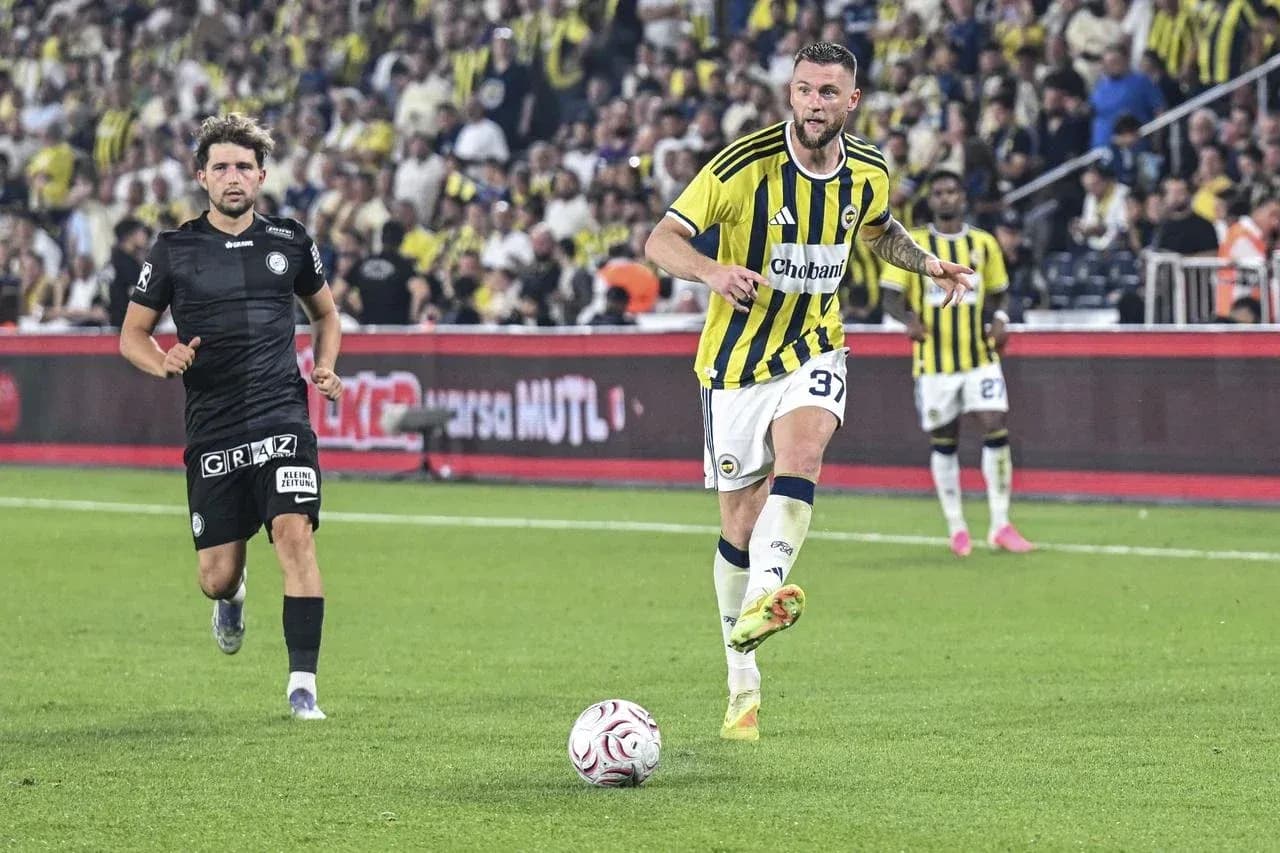
The most recent meeting came on 5 August 2026 in Istanbul in this same 3rd Qualifying Round, where Fenerbahçe beat Sturm Graz 2-0 at home, leading 2-0 at half-time and controlling the tie. Previously, in the 2017 Europa League 3rd Qualifying Round, the sides met twice: on 3 August 2017 in Istanbul, Fenerbahçe drew 1-1 at home after leading 1-0 at half-time; a week earlier on 27 July 2017 in Graz, Fenerbahçe had won 2-1 away, having been 2-1 up at half-time. Across these three matches, Fenerbahçe have two wins and one draw, with Sturm Graz yet to beat them and consistently conceding at least once in every encounter.
Global Season Picture
- League Phase Performance: There is no current group stage or league table data available for either side in the 2026 Champions League qualifying phase, so goals for, goals against and points cannot be precisely quantified from standings.
- Season Metrics: In the Champions League qualifying phase, Sturm Graz have played 3 matches, winning 2 and losing 1, scoring 6 goals and conceding 2. They have been explosive at home with 4 goals scored and none conceded, and more measured away with 2 scored and 2 conceded. Fenerbahçe have also played 3 matches, winning 2 and drawing 1, scoring 4 goals and conceding just 1, underlining a controlled, defensively solid approach with two home clean sheets and only a single goal conceded away.
- Form Trajectory: Sturm Graz’s recent European form line of “WWL” shows two straight wins followed by the 2-0 defeat in Istanbul, indicating momentum halted at a critical moment. Fenerbahçe’s “WDW” reflects an unbeaten run with two wins and a draw, suggesting a stable upward trajectory and the ability to manage different game states without losing.
Tactical Efficiency
Sturm Graz’s numbers across these qualifiers point to a high-variance attacking profile: 6 goals in 3 games with a particularly strong home output and two clean sheets overall, but also a tendency to be more vulnerable and less productive away, as seen in the 2-0 loss in Istanbul. Fenerbahçe’s metrics suggest a more balanced and controlled tactical efficiency: 4 goals scored and only 1 conceded across 3 matches, with clean sheets in both home fixtures and no failures to score, indicating a side that manages risk well while maintaining a steady attacking threat. In this second leg, Sturm Graz will likely need to stretch the game to chase at least two goals, which could expose the defensive structure that has otherwise been solid at home, while Fenerbahçe’s track record of low concession rates and consistent scoring positions them to play a compact, counter-attacking game designed to exploit any spaces left by an aggressive Sturm Graz.
The Verdict: Seasonal Impact
The outcome of this tie will heavily shape both clubs’ European narratives for 2026. For Sturm Graz, overturning a 2-0 deficit would represent a statement European result, keeping them on the Champions League pathway and significantly boosting club profile, revenue and player market value; failure to do so would likely relegate them to a lower-tier European competition or out of Europe altogether, limiting both exposure and financial upside. For Fenerbahçe, successfully defending their advantage would confirm their status as favourites over two legs, secure progression closer to the lucrative group stage and reinforce the club’s broader ambition to re-establish itself as a consistent Champions League presence. A collapse in Graz, by contrast, would raise questions about game management and mentality in high-pressure away fixtures. In seasonal terms, this second leg functions as a gatekeeper: progression keeps Champions League ambitions alive and shapes transfer, financial and competitive trajectories for the rest of the year; elimination forces a recalibration of goals toward domestic success and, at best, a secondary European platform.