Celtic vs LASK Linz: UEFA Champions League Play-off Preview
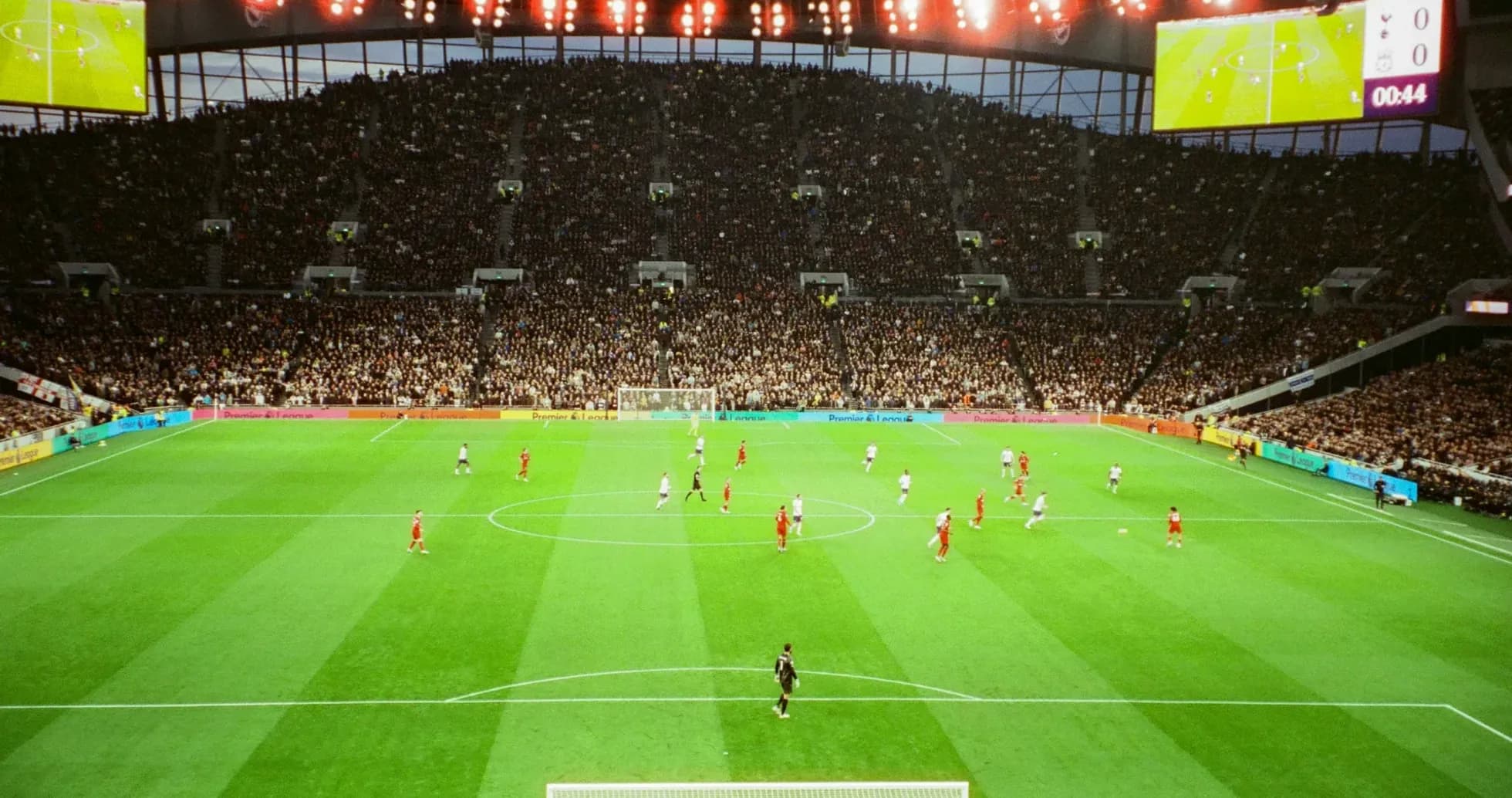
Raiffeisen Arena in Linz hosts the second leg of this UEFA Champions League Play-off tie, with Lask Linz needing a miracle after a 3–0 defeat at Celtic Park on 19 August 2026. Celtic arrive with a commanding aggregate lead and clear momentum, while LASK must balance an aggressive comeback attempt with the risk of being punished on the break.
In terms of underlying prediction data, the model strongly favours Celtic in qualification terms: they are listed as the predicted winner, and the advice is explicitly “Winner : Celtic”. However, the three-way probability split for this single match is unusual: 0% home, 50% draw, 50% away. That indicates the algorithm sees LASK’s chance of a straight home win as extremely low, with Celtic and the stalemate sharing all of the realistic outcome space.
Recent form in this Champions League campaign is brutally simple. Lask Linz have a league form string of “L”, with 1 match played (away), 0 wins, 0 draws, 1 loss, and a 0–3 goal difference. They have failed to score in their only outing and conceded once in each of the 16–30, 31–45 and 61–75 minute ranges, underlining how they were outplayed across multiple phases of the first leg. Their last-five block shows 0 in attack and 75 in defense indices, with 0 goals for and 3 against.
Celtic, by contrast, carry a league form of “W” from that same first leg: 1 match, 1 win, 3–0 goals, clean sheet. Their last-five data (over that single match) gives 100 in form, 25 in attack and 100 in defense, reflecting a controlled, efficient performance rather than relentless attacking volume. They scored once in each of the 16–30, 31–45 and 61–75 minute intervals and did not concede in any period, suggesting strong game management and defensive structure.
The head-to-head picture is straightforward and fully aligned with the form data. The only recorded meeting is the first leg on 19 August 2026 at Celtic Park, where Celtic, as hosts, won 3–0 with a 2–0 half-time lead and no reply from LASK. That single result is enough for the comparison module to rate Celtic at 100 in the head-to-head index versus 0 for LASK, and 100–0 in goals and attack, with LASK failing to register any offensive impact.
Squad news marginally complicates Celtic’s outlook but does not overturn the overall edge. LASK are without R. Harakate (knee injury), while Celtic miss A. Johnston (inactive), Jota (knee injury) and A. Oxlade-Chamberlain (red card), with C. Carter-Vickers questionable due to an Achilles tendon issue. The Scottish side lose some depth and creativity, but their first-leg dominance and current defensive solidity (no goals conceded, one clean sheet) still underpin their status as favourites to avoid defeat.
From a betting perspective, the interesting tension is between the model probabilities and the market. The prediction engine gives 0% home, 50% draw, 50% away, implying no realistic path to a LASK win. The bookmakers, however, price LASK as narrow favourites on the night: home odds range from 1.85 to 2.02 (implied probability roughly 49–54%), the draw from 3.26 to 4.00 (about 25–31%), and Celtic from 3.02 to 3.58 (around 28–33%). Markets are effectively saying LASK are slightly more likely to win this leg, while the model completely rejects that scenario and sees Celtic or a draw as the only credible outcomes.
Given we must anchor the forecast in the official prediction data, the sharper angle is to oppose the home win rather than chase Celtic outright. With 100 in form, attack and defense indices versus LASK’s 0 across those same metrics, plus a 3–0 head start and superior recent Champions League performance, Celtic are well placed to manage this tie professionally.
Betting verdict, following the model’s advice “Winner : Celtic”: – Primary angle: Celtic to qualify (if offered) or Celtic double chance (away or draw) to align with the 50% away / 50% draw split and 0% home. – For a more aggressive stance consistent with the predicted winner: Celtic to win the match, accepting that this goes against the bookmaker favourite but is backed by the underlying comparison and head-to-head data.