Celtic's Astonishing Collapse in Champions League Qualifiers
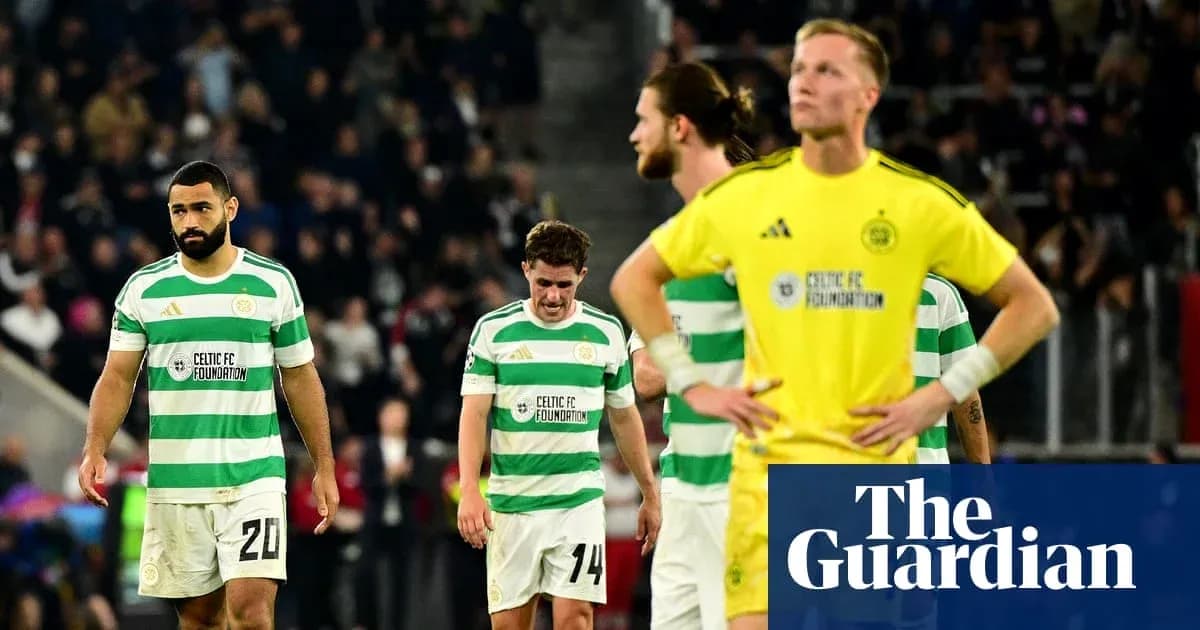
Martin O’Neill did not try to dress it up. From 4-0 up on aggregate and apparently strolling into the Champions League, Celtic contrived to suffer one of the most astonishing collapses of his long reign – and the 74-year-old admitted it cuts deeper than almost anything he has experienced in the job.
On a raw, bewildering night in Austria, Celtic were three goals to the good from the first leg against Lask when Callum McGregor struck in the 21st minute to make it 4-0 on aggregate. At that point, it looked done. Routine. The kind of tie big clubs quietly tick off on their way to the moneyed promised land.
Instead, it turned into a nightmare.
Lask hit back, forced extra time and ran out 5-1 winners on the night, dumping Celtic out of the Champions League qualifiers in scarcely believable fashion and sending them tumbling into the Europa League. The financial damage alone is brutal: missing the group stage will cost the club at least £20m.
For O’Neill, a man who has stood on the touchline for more than 300 Celtic matches, this was right at the top of the pain chart.
“I would say absolutely, yes,” he said when asked if it was among his worst nights. “I’d put it down before the disappointment of losing the Uefa Cup final in 2003, but it’s so, so disappointing.”
The manager’s frustration was rooted in how controllable it all seemed. Celtic had the tie where they wanted it. They had chances to kill it.
“We should have been out of sight by half-time,” O’Neill said. “We scored a goal, which was great, we missed two great, great opportunities. And then we give them a lifeline just before half-time and then one just after it. And they come roaring back.”
The goals conceded left him exasperated.
“Obviously we conceded, from our viewpoint, not good goals at all. But that’s my team and that’s my responsibility.”
Celtic looked caught between protecting what they had and pushing on. They did neither convincingly. Once Lask sensed weakness, the game flipped. The Austrian side surged forward, the noise rose, and Celtic shrank in all the wrong moments.
Asked if his squad was strong enough for this level, O’Neill chose his words carefully but did not hide from the scale of the occasion.
“These are tough games. And it might only be a Champions League qualifying game, but it felt like a Champions League game. I thought they were a fine side. But that doesn’t matter. We should have been able to have seen it through. And we didn’t do. Talking about the squad, that’s for another day.”
If the manager was blunt, his captain was brutal.
McGregor, who had seemingly put the tie beyond doubt with his early strike, offered no alibis when he spoke afterwards.
“We got what we deserved,” he told Amazon Prime. “I thought we were so passive. All night. We actually looked scared to go and win the game, and when you are 3-0 up it’s psychological.”
His assessment stretched back to the first leg as well.
“To be honest I didn’t think we were that good in the first leg, either. We scored at good times and kind of got away with it. You go 3-0 and you think you’ve got a real chance but when you play like that you can’t have any excuse whatsoever.”
The words will sting in the dressing room, but they match what unfolded on the pitch: a team gripped by anxiety instead of authority, caught in the headlights when the tie demanded composure.
“We have to suck it up, apologise to the supporters and the club because there is no way that we should lose that game … Now you’ll see what kind of characters are in there,” McGregor added.
The apology is one thing. The financial hit is another. But for Celtic, the real test begins now: how do they respond to a collapse that their own manager ranks above a European final defeat in his personal catalogue of pain?