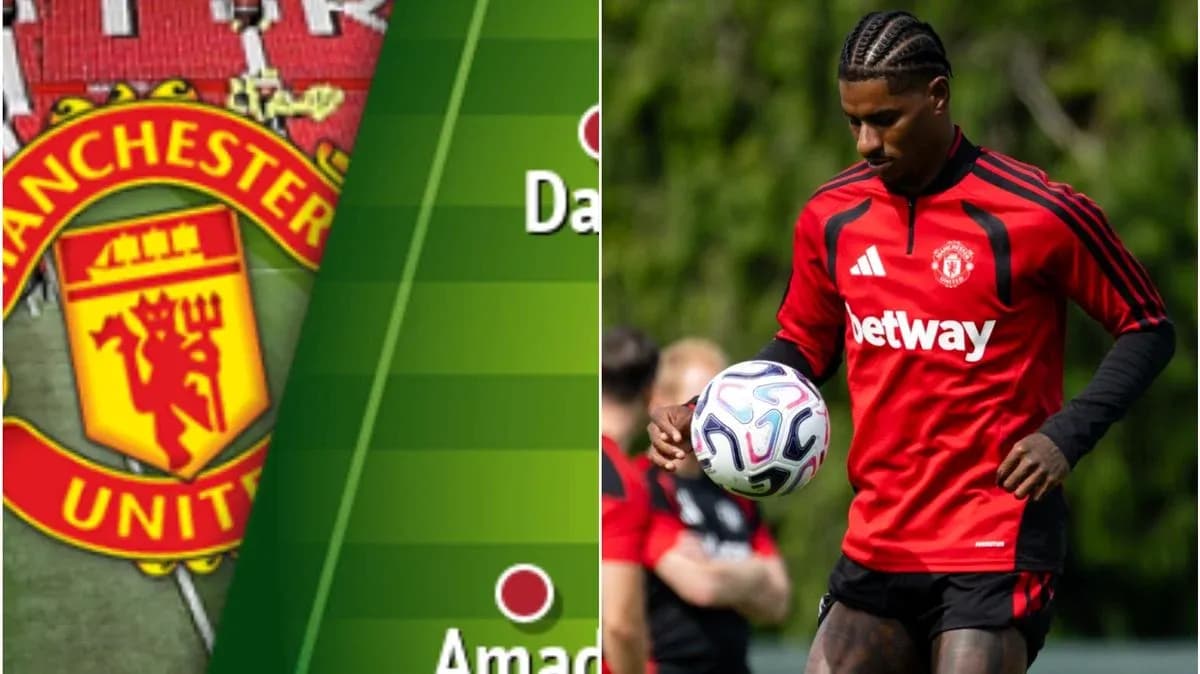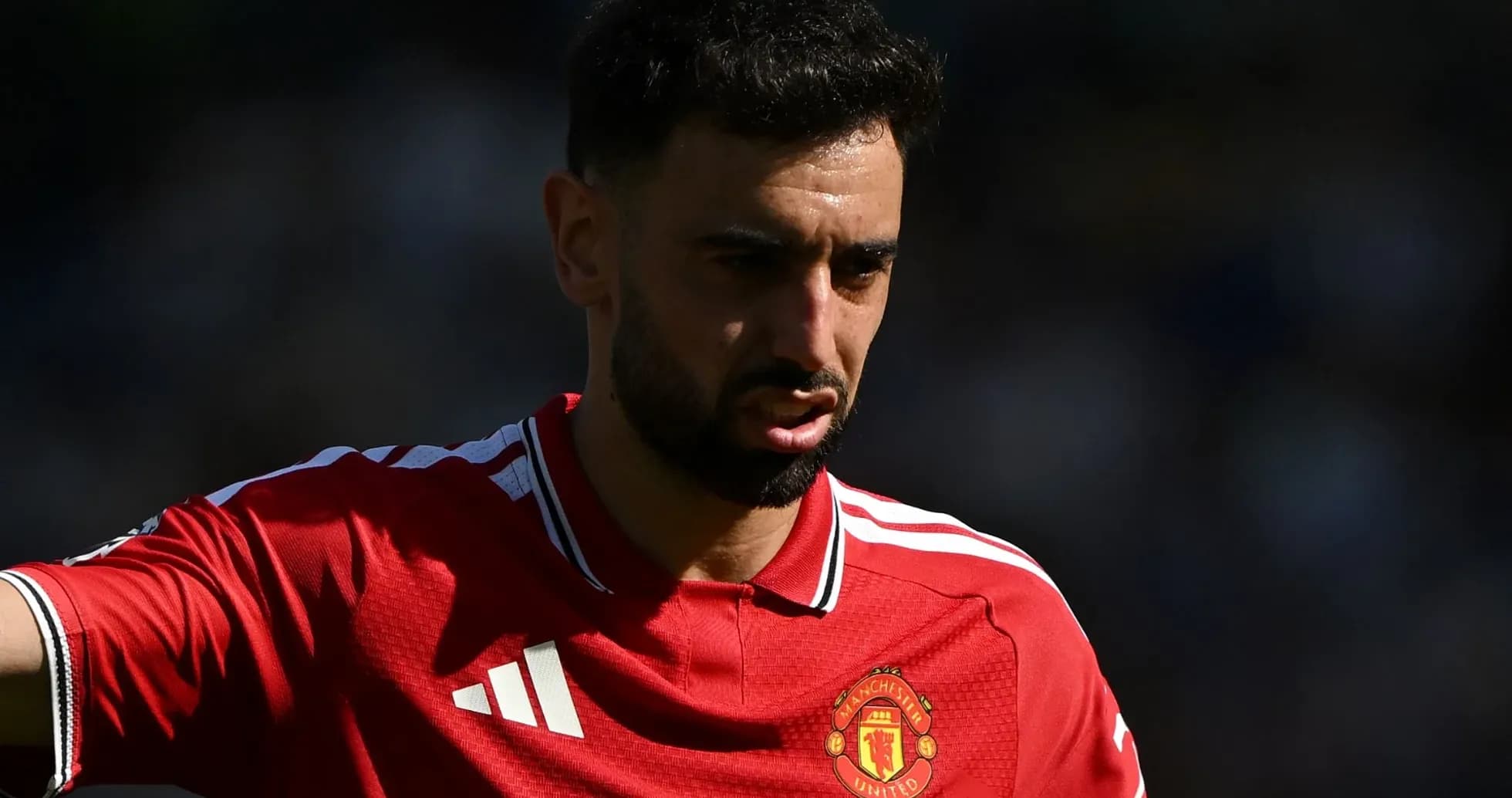
Bruno Fernandes Contract Negotiations: A Defining Moment for Manchester United
Manchester United know exactly what is at stake with Bruno Fernandes. They are not just negotiating a contract. They are negotiating the direction of the club.
The captain is into the final year of his current deal, though United protected themselves with a 12‑month option they can trigger. That clause buys time. It does not buy certainty. Inside Old Trafford, the hope is clear: tie down their talisman before the new season properly bites.
The clock is loud. The 2026-27 campaign is edging into view, Fernandes is back from World Cup duty with Portugal and already in training, and the ideal scenario is obvious – an announcement, a signature, a line drawn under the saga before competitive football returns.
United know the numbers. Everyone does. Twenty-one Premier League assists last season, a haul that pushed him past Thierry Henry and Kevin De Bruyne into the record books and underlined, again, how heavily this team leans on his creativity. At 31, turning 32 in early September, he is not a prospect. He is the present.
And yet, for United, that is exactly the problem and the solution.
The club’s long-standing reluctance to hand big, long-term contracts to players over 30 has shaped internal policy. It has not always served them well. Now that framework meets a player who has bent almost every game to his will since arriving in January 2020. Five Player of the Year awards, 327 appearances, 107 goals, captain since 2023, and the emotional centre of a side still trying to work out what it wants to be.
The market has noticed. Saudi Pro League clubs have already knocked on the door and been turned away. At one stage, United appeared open to a sale. That posture has shifted. With interest circling again, the club are trying to move from reactive to protective, to fend off more admiring glances rather than invite them.
For some, the debate is not really a debate at all.
Michael Owen, a former United striker and Premier League winner, believes the club must push every lever available to get an extension done. Speaking to GOAL, he laid out the calculation facing the hierarchy and dismissed the age-based caution that has crept into the conversation.
Clubs talk about “rules and regs”, about what you should and should not do with players past 30 – no long deals, no top-end wages, no exceptions. Owen’s view is blunt: sometimes a player is so central that you tear up the guidelines. In his eyes, Fernandes is that player. He argued that he simply could not stomach United starting the season without their captain, insisting that if the club want to keep progressing, they have to keep him. Age, he suggested, is secondary. Importance is not.
Inside the dressing room and in the stands, that feeling is familiar. Fernandes is not flawless, but he is ever-present. He plays, he leads, he produces. Even in the turbulence of recent seasons, he has kept dragging United forward, sometimes by sheer force of will.
Mikael Silvestre, another former United defender, sees the same picture, with one crucial caveat. Speaking to GOAL, he called Fernandes a key player and praised his decision to turn down Saudi offers and stay at Old Trafford during a difficult transitional spell. In Silvestre’s eyes, Fernandes delivered through adversity and stood out as the best player in the league last season.
That earns respect. It does not yet earn immortality.
Silvestre drew a pointed comparison. Steven Gerrard is revered at Liverpool despite never lifting the Premier League trophy, his legacy anchored instead in the Champions League. Fernandes, Silvestre argued, already has a sizeable footprint at United, with FA Cup and Carabao Cup wins on his record. But to become truly special in the eyes of supporters and in the club’s history, he believes the captain still needs a major title – the league or the Champions League.
That is the crux of it. United want to move from moments to eras again. To do that, they need cornerstones. Fernandes has behaved like one for years, even as the structure around him wobbled.
The club now face a choice that will echo beyond this window. Do they cling to age-based policy and risk losing the player who most embodies their current fightback, or do they bend for a captain who has already shown he is willing to carry the load?
The option clause gives them another 12 months. The reality of modern football means they probably have far less time than that.