
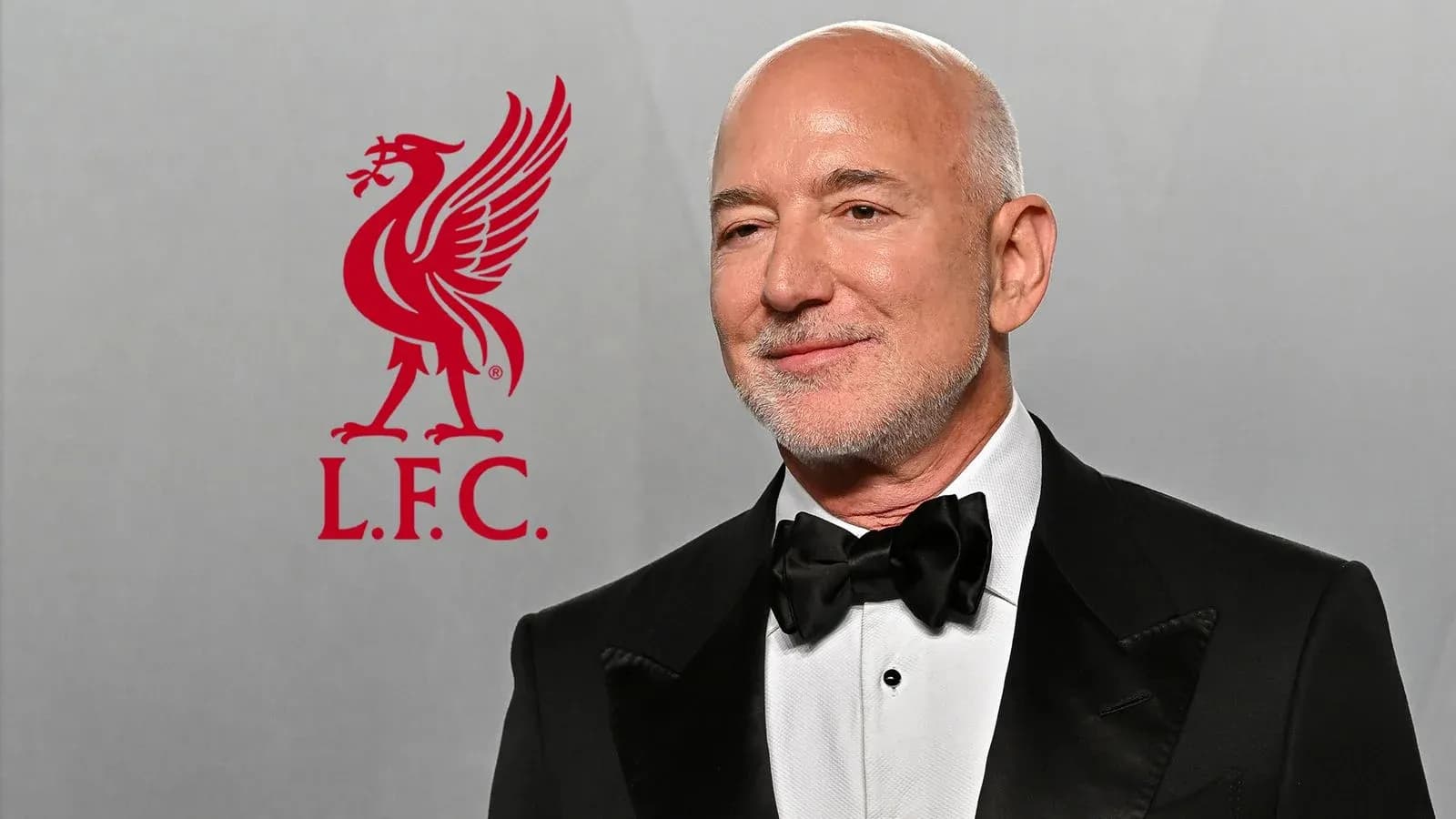
Bezos Nears Liverpool Stake as New Era of Wealth Emerges
Liverpool are on the brink of welcoming one of the richest men on the planet into their ownership structure, with Jeff Bezos part of a heavyweight consortium closing in on a deal to buy a significant minority stake in the club.
Fenway Sports Group (FSG), Liverpool’s owners since 2010, are preparing to announce the transaction as early as this week, with one source indicating it could yet slip into next week depending on final details. The deal is expected to involve a stake of just over 30 per cent, valuing the club at around £4.4bn ($6bn).
That would make it one of the most lucrative transactions in football history.
A new power bloc at Anfield
The proposed investment group is led by Amit Bhatia, the British Indian entrepreneur and former Queens Park Rangers shareholder, and includes Bezos and Eduardo Saverin, one of the co-founders of Facebook.
If completed, it would place a trio of ultra-wealthy figures at the heart of Liverpool’s future. Bezos alone has a fortune estimated by Forbes at more than £207bn ($280bn). Saverin is said to be worth over £23.7bn ($32bn). Bhatia, 46, runs AyBe Capital, a multi-asset investment firm with interests spanning technology, media, property, real estate, consumer retail and health.
For FSG, the numbers underline just how far Liverpool have travelled under their watch. The Boston-based group, which also owns the Boston Red Sox, bought the club in 2010 for around £300m when Liverpool were financially fragile and drifting. A valuation of £4.4bn would mark an extraordinary return.
The last time a slice of Liverpool changed hands came in 2023, when Dynasty Equity acquired a small stake at a valuation north of £3.3bn ($4.5bn). This latest move would push that figure to a new level and reinforce Liverpool’s status among the sport’s financial elite.
Strategic minority stake – for now
Both sides are keeping their counsel in public. Sky Sports News has contacted Liverpool and FSG for comment, but neither has expanded on their previously stated positions.
Last month, an FSG spokesperson confirmed interest from the Bhatia-led group, saying: “An investment consortium led, managed, and represented by Amit Bhatia has expressed interest in making a strategic minority investment in Liverpool Football Club.”
FSG declined to go further, particularly on timing. A spokesman for the consortium also refused to comment.
Behind the scenes, though, the scale and profile of the investors are already sparking questions. A stake of more than 30 per cent, backed by this level of wealth, will inevitably fuel speculation that the group could eventually seek full control of the club.
For now, the language is about partnership and a “strategic minority” holding. The money, and the names behind it, suggest something more ambitious may be in play over the longer term.
Bezos steps onto football’s biggest stage
Bezos has not previously been seriously linked with a football club purchase. His interest in Liverpool marks a striking moment in the sport’s evolution, another sign that elite clubs are now treated by global capital as blue-chip assets rather than just sporting institutions.
His investment portfolio already includes aerospace company Blue Origin and Nash Holdings, the vehicle through which he owns The Washington Post. Amazon itself has steadily deepened its relationship with sport through broadcasting deals, including Premier League rights in the UK.
Saverin, 44, is no stranger to football either. He was part of a consortium that tried and failed to buy Chelsea in 2022, when Roman Abramovich’s ownership ended following Russia’s invasion of Ukraine. This time, he looks set to gain a foothold in the Premier League via Anfield instead of Stamford Bridge.
Bhatia, meanwhile, brings direct experience from the English game after his spell as a shareholder and vice-chairman at QPR. His role at the head of the syndicate positions him as the key bridge between Wall Street-style capital and the day-to-day realities of running a football club.
FSG’s next chapter
For FSG, this is not a fire sale. It is a reloading.
They have long balanced sporting ambition with strict financial discipline, a model that has delivered a Champions League title, a long-awaited Premier League crown and a modernised Anfield, while keeping the club broadly sustainable.
A minority sale at this valuation would lock in huge paper gains without forcing them to relinquish control. It would also inject fresh capital at a time when the financial arms race at the top of European football shows no sign of easing.
The question now is simple: with Bezos, Saverin and Bhatia poised to take their seats at the table, how much bigger – and how much bolder – will Liverpool dare to become?




