Barcelona's Leadership Shift: Who Will Wear the Armband?
Barcelona’s armband, for so long a symbol of continuity and certainty, is suddenly the most contested piece of fabric at the club.
Marc-André ter Stegen’s loan move to Ajax did not just remove a goalkeeper; it stripped away the first pillar of the dressing-room hierarchy. Ronald Araujo, briefly elevated as the natural successor, now stands with one foot out of the door himself amid a potential move to Liverpool. Two captains gone – or going – before a ball has been kicked in anger.
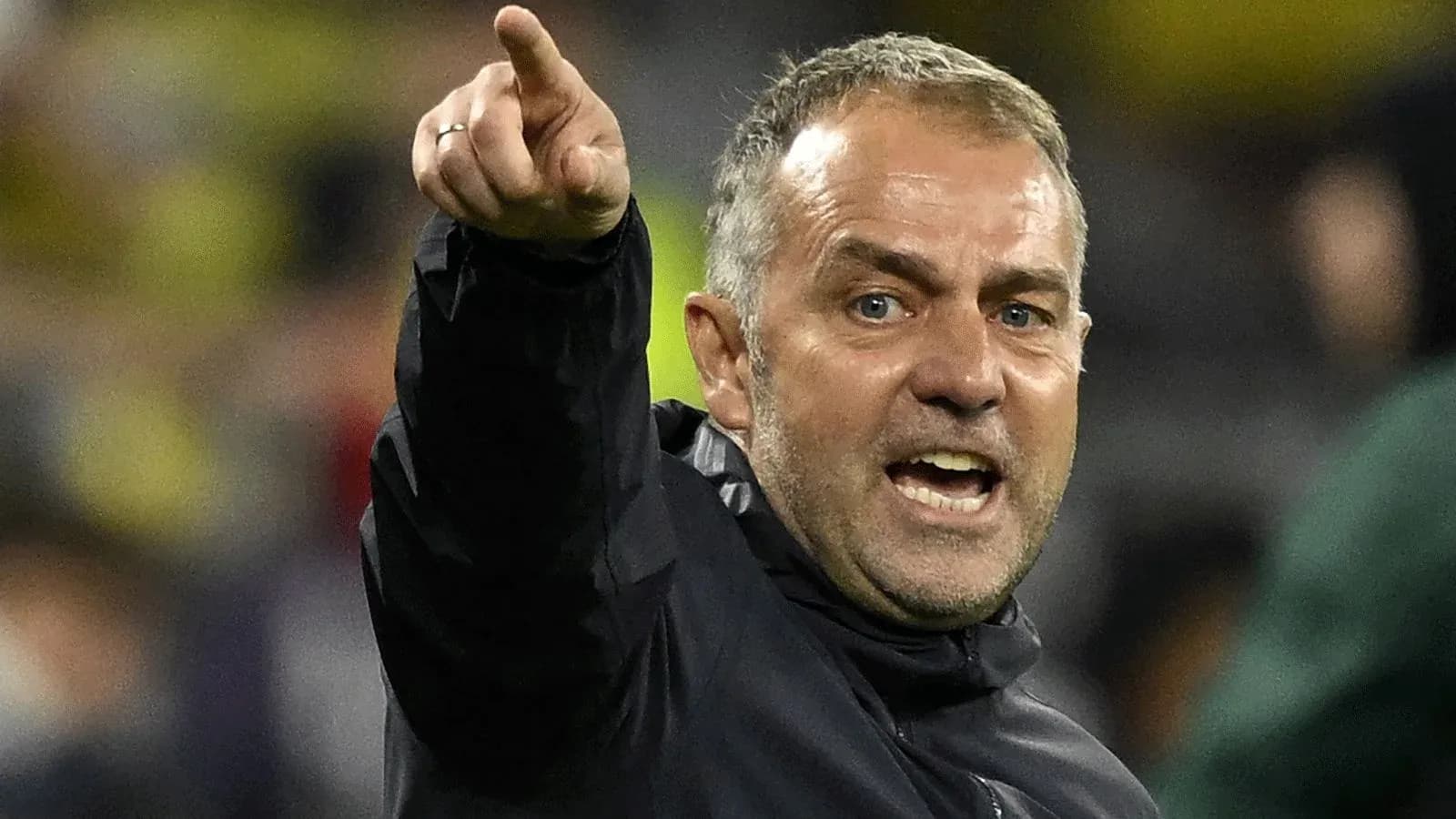
Hansi Flick has been forced into a reset he did not plan for.
Until the end of last season, the chain of command was clear: Ter Stegen, Araujo, Frenkie de Jong, Raphinha, Pedri. Familiar faces, clearly defined roles. That structure has been torn up in a matter of weeks, leaving a new coach to redraw the map of authority inside a young and restless squad.
De Jong: the obvious choice with a complicated reality
On paper, Frenkie de Jong is the obvious answer. Senior figure, technical leader, one of the few remaining standard-bearers from the previous cycle. In most seasons, his appointment as first captain would be a formality.
This is not most seasons.
De Jong’s current injury has turned a straightforward decision into a political one. His recovery has already sparked internal debate, with the club hierarchy reportedly frustrated by the perception that the Dutchman has leaned towards protecting his World Cup prospects ahead of pushing himself for Barcelona. Fair or not, that perception matters in a dressing room that needs a present, vocal, and fully committed first captain from day one of the campaign.
He may still get the armband. But right now, he does not feel like the only answer.
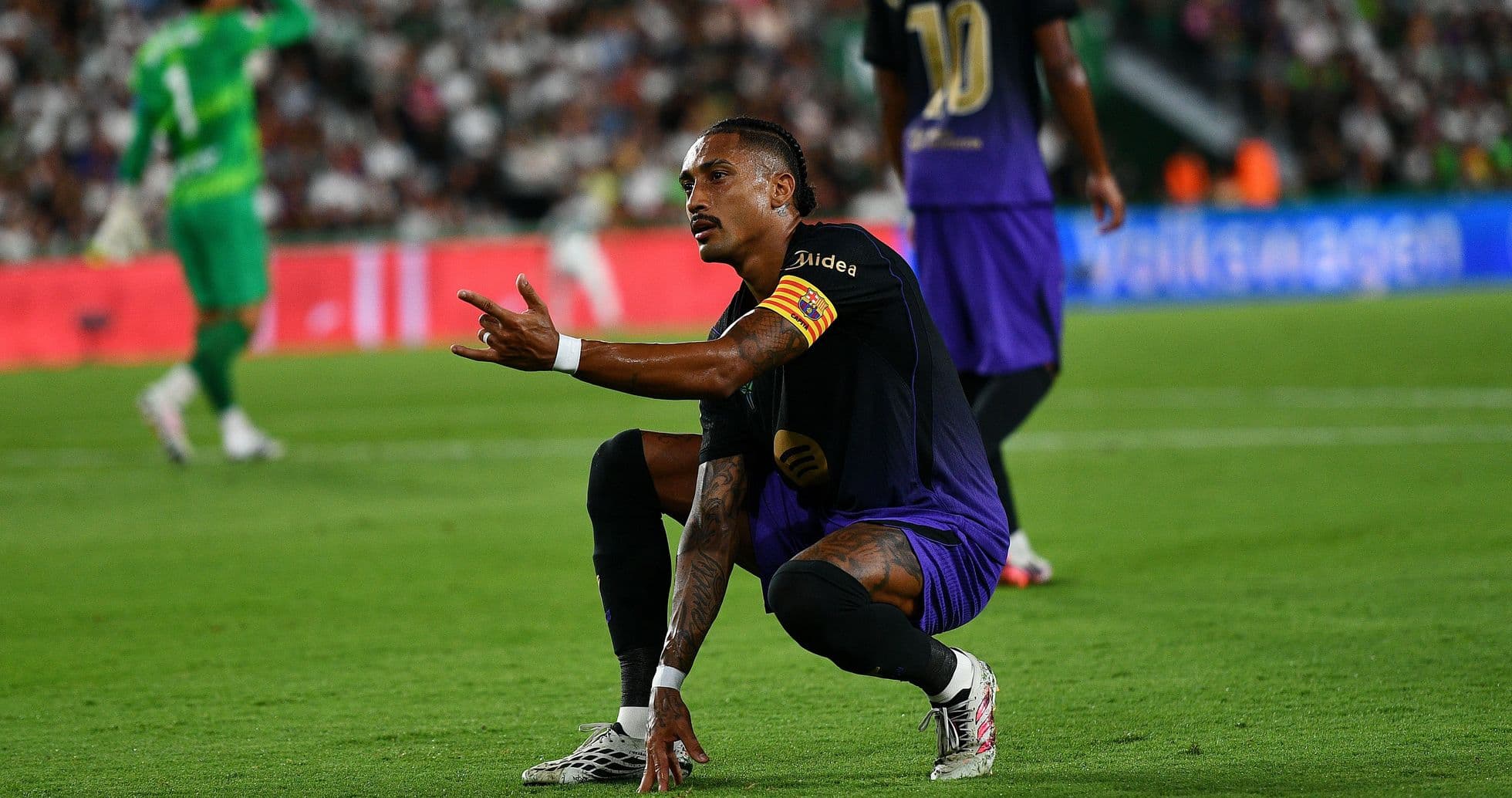
Raphinha steps into the void
This is where Raphinha’s rise becomes crucial.
The Brazilian arrived as a winger. He has grown into a reference point. His influence stretches beyond his goals and assists; it lives in the way he trains, the way he talks, the way teammates respond when he speaks up. Inside the dressing room, his personality and relationships have pushed him into the inner circle of trust.
According to reporting in Spain, Raphinha is now seen as one of the strongest candidates to wear the armband regularly. Not the token foreigner in a leadership group dominated by others, but a genuine pillar of the new order.
With De Jong’s fitness and future under a cloud, it is Raphinha who increasingly looks like the man expected to shoulder the week-to-week weight of leadership.
Pedri, La Masia, and the next core
Around them, a new leadership block is taking shape.
De Jong, Raphinha, and Pedri are expected to occupy three of the main positions in the captaincy group. Pedri, still young, already carries the creative responsibility of a veteran. Giving him formal authority would only confirm what is already evident on the pitch: this is his team as much as anyone’s when the ball is at his feet.
Two more names are in the frame to complete the five-man structure, and both carry the kind of symbolism Barcelona crave.
Eric Garcia has emerged as one of the strongest candidates. The former Manchester City defender brings experience at the highest level and, crucially, deep roots in the club. His La Masia education, his understanding of what is demanded at Barcelona, give him a natural credibility with both youngsters and senior professionals. He speaks the language of the academy and the expectations of the badge.
On the other side stands Gavi. Only 22, but already hardened by the reality of life in Barcelona’s first team. He plays with a ferocity that supporters recognise instantly as part of the club’s DNA: intensity, aggression, refusal to hide. Age counts against him on paper; on the pitch, his character shouts captaincy material.
Between Garcia and Gavi, Barcelona see not just two options, but two different versions of their future identity.
Flick’s bridge between bench and pitch
All of this is more than a ceremonial reshuffle. Flick needs a leadership group he can trust to carry his message from the technical area into a squad packed with young talent and big expectations.
The club hierarchy is under pressure to lock in these roles before the competitive season starts. Delay invites uncertainty. Uncertainty breeds doubt. With Ter Stegen gone and Araujo likely to follow, the margin for hesitation has disappeared.
Discipline, standards, and morale will fall on this new core. De Jong, if confirmed as first captain, will remain the most senior survivor of the previous era, but his injury and long-term situation mean others must step up from the first whistle of the season.
That burden now tilts towards Raphinha and the La Masia graduates. How they carry it will not just define the captaincy list on a team sheet – it will shape what kind of Barcelona walks onto the pitch in this new chapter.