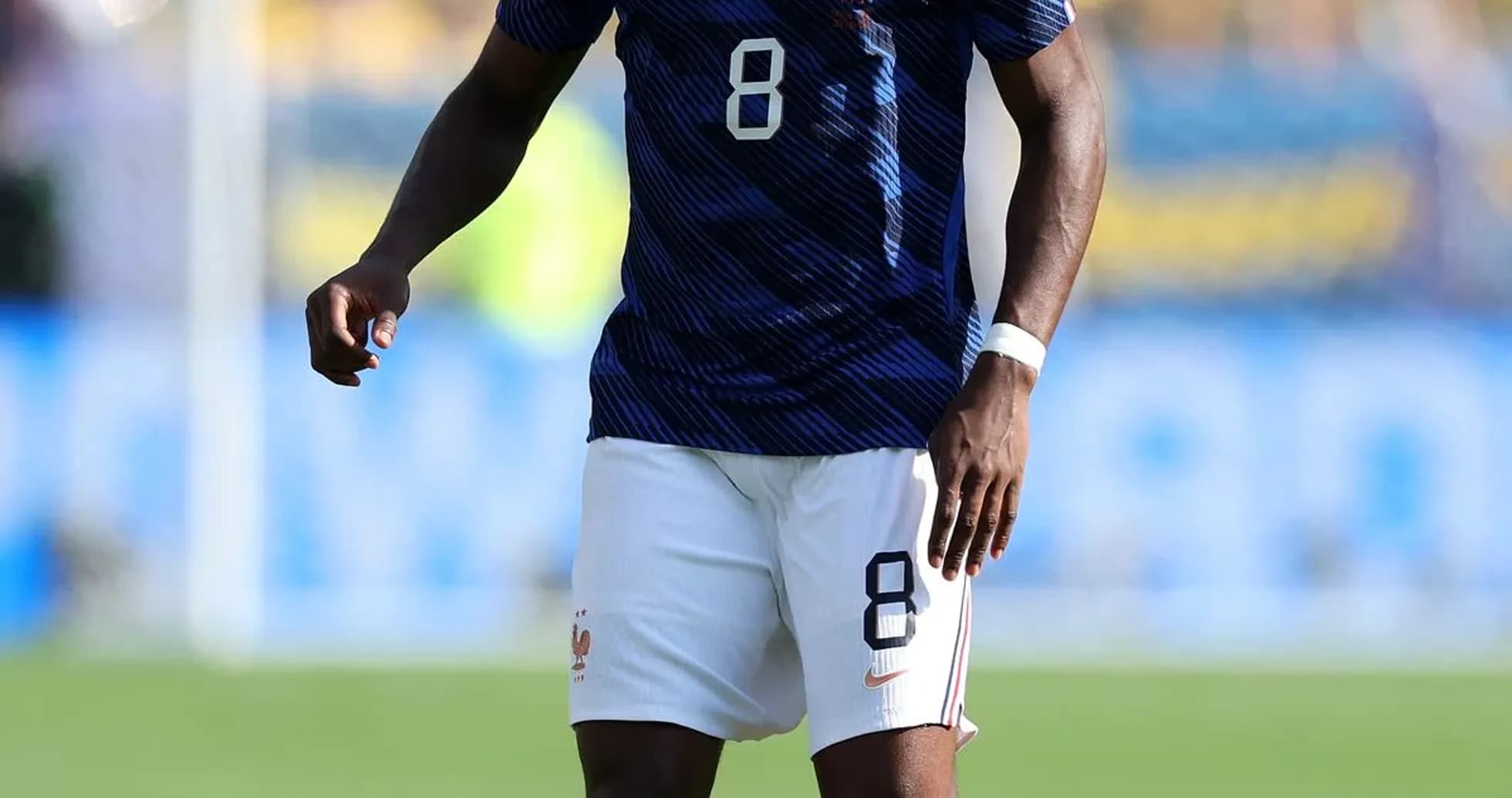
Aurelien Tchouameni's Injury Impact on France's World Cup Plans
Aurelien Tchouameni’s groin has become France’s great unknown in a tournament where almost everything else about Didier Deschamps’ team feels settled.
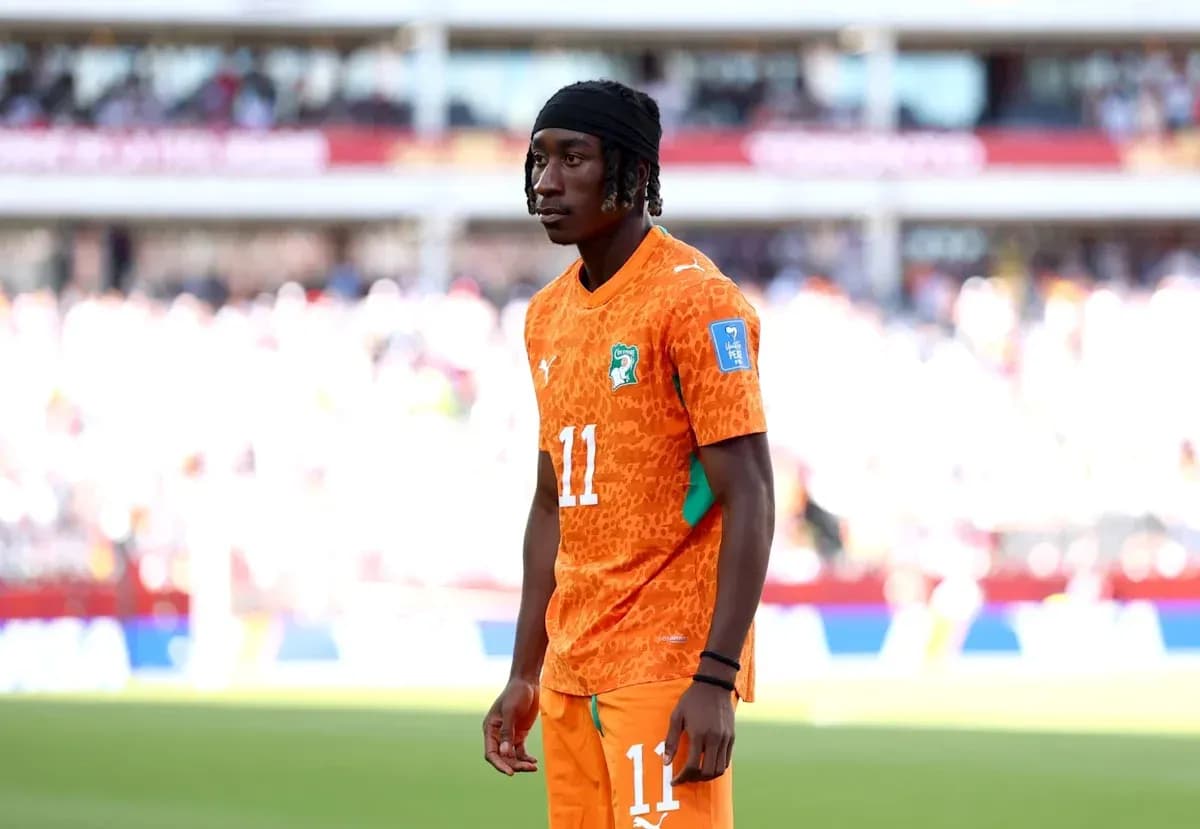
The Real Madrid midfielder pulled up in training after the round-of-32 win over Sweden and sat out the tight, bruising last-16 victory against Paraguay, decided by Kylian Mbappe’s second-half penalty in Philadelphia. In his absence, the responsibility of anchoring Les Bleus fell to Roma’s Manu Kone alongside Adrien Rabiot, a pairing that survived a tense night and a snarling opponent.
Now comes Morocco in Boston and a quarter-final that already carries the weight of expectation. France are favourites. They are also waiting.
Tchouameni on the clock
Tchouameni, vice-captain and the quiet metronome of this France side, is edging closer to a return just as he closes in on a new contract at the Bernabeu. The timing could hardly be more delicate.
“I don’t have all the information yet,” Deschamps admitted on Wednesday when pressed on his midfielder’s condition. “Aurelien is better, but I left early this morning. He’s the only one who needs to be seen, but he’s doing better. He might participate in the training session today. All other players are available.”
That “might” hangs over France’s preparations. Medical green light or not, Deschamps must decide whether to throw a recovering Tchouameni straight back into a knockout tie or trust the Kone–Rabiot axis that just came through a scrap.
If there is any doubt, the shape of the side seems obvious: Kone and Rabiot to continue, Tchouameni held in reserve, the structure unchanged.
A settled spine, a few moving parts
Deschamps has spent this World Cup quietly locking pieces into place. Mike Maignan has nailed down the No1 shirt and looks set to stay in goal. In front of him, Jules Kounde, Dayot Upamecano and William Saliba have grown into a formidable defensive core, rarely flustered and brutally efficient.
Higher up the pitch, there is no debate. Mbappe starts. So do Ousmane Dembele and Michael Olise, who have become non-negotiables in attack, their pace and directness stretching games and forcing back lines to live on the edge.
The tweaks have come on the left. At left-back and left wing, Deschamps has shuffled his deck, but Lucas Digne and Bradley Barcola now appear to have moved ahead of Theo Hernandez and Desire Doue. That flank, once a question mark, has begun to look like a platform.
The overall picture is of a coach who has found his team and is reluctant to disturb it.
Walking the disciplinary tightrope
There is, though, another risk running through this quarter-final: the yellow card trap.
France pushed to have Olise’s booking against Paraguay overturned and got nowhere. The caution stands, and with it the threat of a semi-final suspension if he is carded again and Les Bleus advance.
He is not alone. Kone and Barcola carry the same burden, with tournament rules keeping bookings on the slate until after the quarter-finals at this expanded World Cup. One mistimed tackle, one tactical foul, and Deschamps could find his semi-final options suddenly thinner.
So France go into Boston with a near-set XI, a midfield linchpin racing the clock, and three key players one card from a ban. They have the talent, the structure, the status of favourites.
What they do not have, yet, is certainty over the man who so often holds their game together.