Arsenal's Defensive Errors Lead to 3-1 Defeat Against Real Betis
Mikel Arteta wanted intensity in pre-season. He got it, just not in the way he planned.
Arsenal’s 3-1 defeat to Real Betis in Dublin on Wednesday was not about tired legs or experimental systems. It was about basic defensive lapses, a goalkeeper caught in no-man’s land, a loose pass in a dangerous area, and a manager who made no attempt to hide how angry his players were.
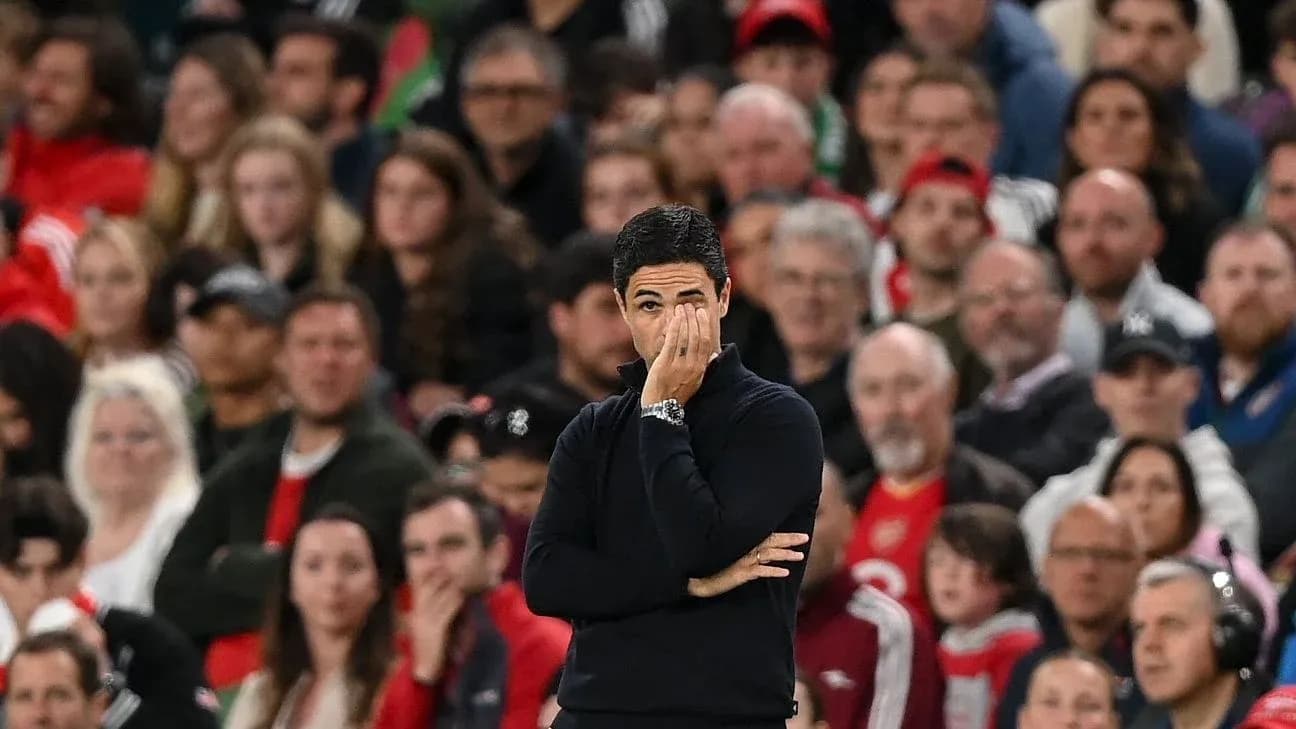
“They are fuming, but this is good. That’s what we need,” Arteta said afterwards, describing a dressing room that had been “given a hard time” at the interval. This was a friendly in name only.
Sloppy start, ruthless punishment
Arteta named the same starting XI that had swept past Girona 4-1 on Friday. Kai Havertz, Viktor Gyökeres and new signing Christos Tzolis all kept their places, a clear sign the manager wanted continuity and sharper combinations rather than a gentle run-out.
Instead, he watched his side unravel early.
On nine minutes, Kepa Arrizabalaga misjudged a corner, came for it, got nowhere near, and Rodrigo Riquelme smashed in at the back post. One set piece, one mistake, one goal down.
Arsenal had a gift-wrapped chance to respond when Betis goalkeeper Álvaro Valles passed the ball straight to Tzolis. The Greek forward, signed this summer to add incision and end product, couldn’t punish him. The moment slipped away.
Betis did not return the favour.
Nelson Deossa stepped up from distance and unleashed a 30-yard strike that flew into the top corner, a thunderbolt that left Kepa rooted and Arsenal staring at a 2-0 deficit. Pre-season or not, it was the kind of goal that drains a stadium.
Brief lifeline, then another blow
Arsenal finally made a set piece count. Valles misjudged a Tzolis corner, Piero Hincapié attacked it with conviction, and his header dragged the scoreline back to 2-1. A lifeline, and for a few minutes the Gunners played with the tempo and control Arteta demands.
Then came the moment that really stung.
With the interval approaching, Havertz surrendered possession cheaply in his own half. Betis pounced. Pablo Fornals, once of West Ham, swept the ball past a static Kepa to restore the two-goal cushion. Arsenal went in 3-1 down, punished again for slack play around their own box.
Arteta’s verdict on that first half was pointed. He spoke of “two very different things: how we played and how we competed,” praising “fantastic moments” in possession but underlining that the standards “in and around our box” fell short of what Arsenal are used to.
The message was clear: the football was there in flashes, the edge was not.
Changes, control, and a flat second half
Arteta ripped things up at the break. Wholesale changes, 25 players used across the night, minutes spread, legs protected. The price was rhythm.
With the core of the starting side off the pitch, the game sagged. The intensity that had defined the first half disappeared. Neither team carved out a clear-cut chance of note, and the contest drifted towards a conclusion that suited Betis far more than Arsenal.
One positive: Gabriel returned to action, his first minutes since Brazil’s World Cup round-of-16 defeat to Norway. For a defender so central to Arsenal’s structure, any competitive action is valuable, even on a night like this.
Arteta accepted the context — “we used 25 players, so you need to give a bit of context to the game” — but refused to hide behind it. “The important part is to win it and we didn’t manage to win it, so disappointed obviously for the result,” he said, before circling back to the standards he demands in the penalty area.
There were “positives to take,” he insisted, but he also leaned into the idea that a setback now can be useful, that “a bad result sometimes it’s good to create even more fire in the belly.”
The fire was already visible in Dublin. The question for Arsenal is whether this anger turns into sharper, colder focus when the real games start.