Arsenal Dominates Coventry 3-0 in Premier League Opener
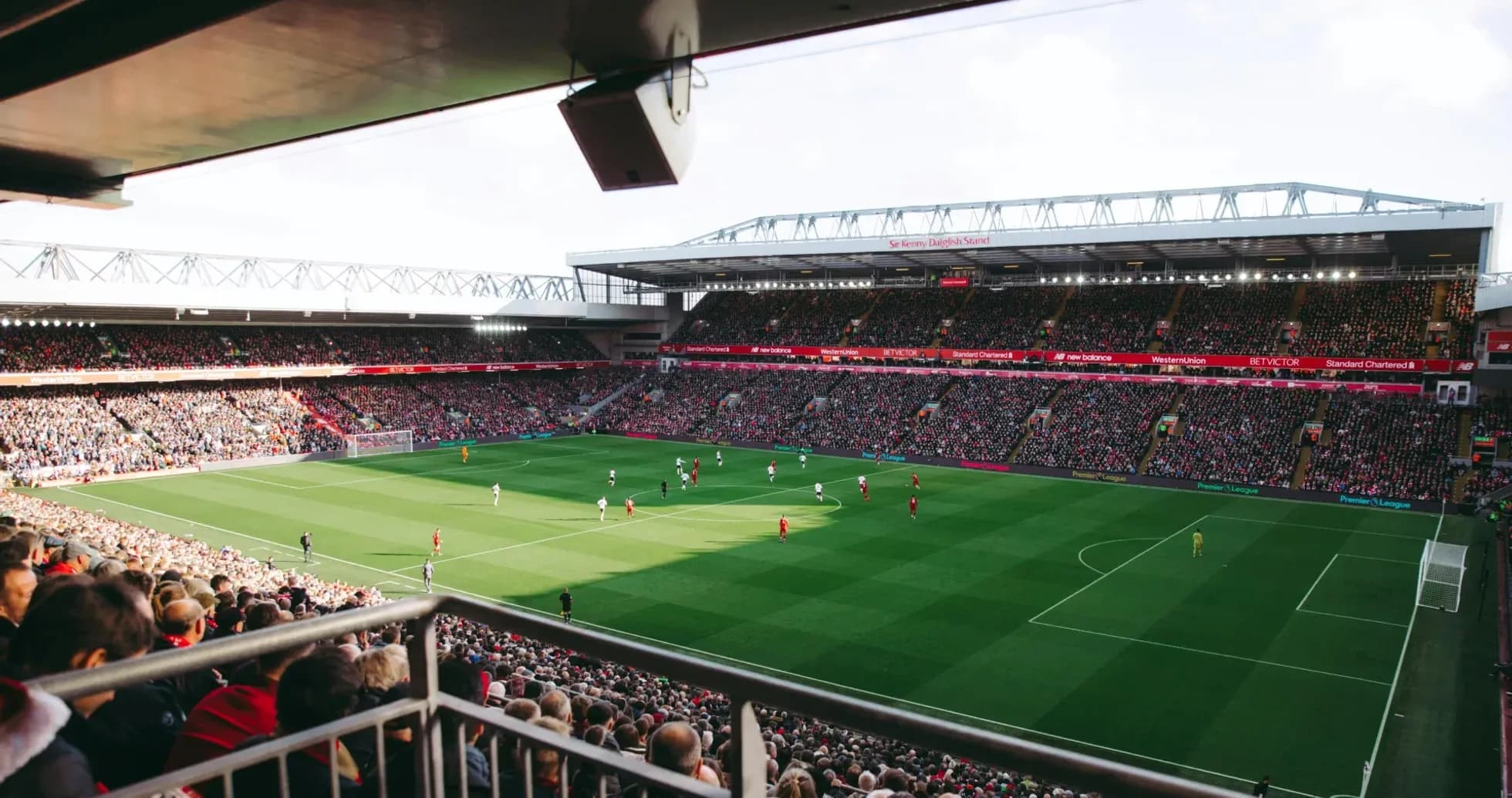
Under the Friday night lights at the Emirates Stadium, the opening act of Arsenal’s Premier League season unfolded with a kind of controlled authority that felt less like a curtain-raiser and more like a statement of intent. By full time, the scoreboard read 3-0, Coventry beaten, the home crowd satisfied, and the league table already hinting at familiar shapes: Arsenal sitting 2nd with 3 points and a goal difference of +3, Coventry 19th with 0 points and a goal difference of -3.
I. The Big Picture – Structure, Status, and Early Identity
Following this result, Arsenal’s early-season profile is clean and sharp. Overall they have played 1 league match, winning it, with 3 goals scored and none conceded. At home, the record is identical: 1 game, 1 win, 3 goals for, 0 against. The averages underline the dominance: 3.0 goals scored per home game, 0.0 conceded. One home clean sheet out of one, and no failures to score. It is a tiny sample, but the patterns are consistent with Mikel Arteta’s long-term vision: territorial control, high technical level, and a defensive structure that rarely looks rushed.
Coventry’s introduction to the Premier League has been harsher. On their travels they have played 1, lost 1, scored 0 and conceded 3, with an away average of 0.0 goals scored and 3.0 conceded. Their only defeat so far is also their heaviest: a 3-0 reverse away, the same scoreline that defines Arsenal’s biggest win at home. The symmetry tells its own story: Arsenal’s strengths and Coventry’s early weaknesses met head-on in North London.
Both sides lined up in systems that defined the narrative. Arsenal’s 4-2-3-1 was familiar but subtly refreshed by personnel; Coventry’s 4-1-4-1 under Frank Lampard was more conservative, an attempt to compress space and survive the Emirates’ storm.
II. Tactical Voids – Absences and Discipline
The night began with notable absences that reshaped both squads. Arsenal were without Bruno Guimaraes (thigh injury), W. Saliba (back injury), and J. Timber (ankle injury). Saliba’s absence in particular forced a recalibration of the defensive axis and handed a significant responsibility to C. Mosquera alongside Gabriel.
Coventry, meanwhile, travelled without L. Woolfenden and H. Wright, stripping depth from their defensive and attacking rotations. In a league where bench quality often decides second halves, those omissions were not trivial.
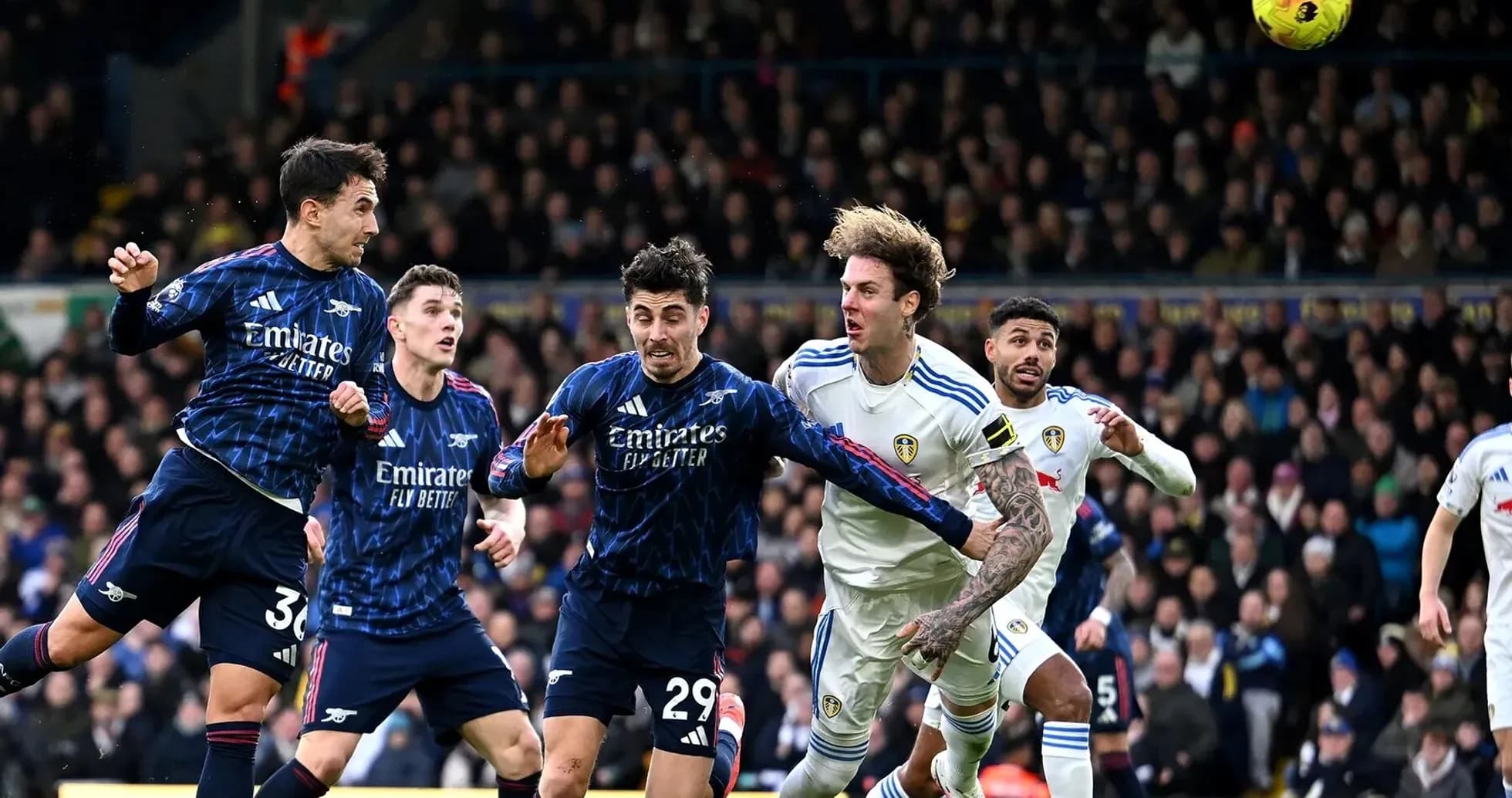
The disciplinary ledger added another layer of texture. For Arsenal, the season’s card profile so far shows a single yellow arriving in the 31-45 minute window – and in this match that belonged to Gabriel Magalhães. It was a reminder that even in a largely comfortable outing, the Brazilian defender still walks the familiar tightrope between aggression and composure. Coventry’s only recorded yellow card this campaign came earlier in games, in the 16-30 minute range, and here it was Caleb Marfo Yirenkyi who picked up the caution, his two fouls emblematic of a midfield struggling to slow Arsenal’s rotations without overstepping.
Crucially, neither side has seen a red card so far this season, and there were no penalties awarded or missed in this fixture. The contest was decided not by chaos but by structure and quality.
III. Key Matchups – Hunter vs Shield, Engine Room vs Press
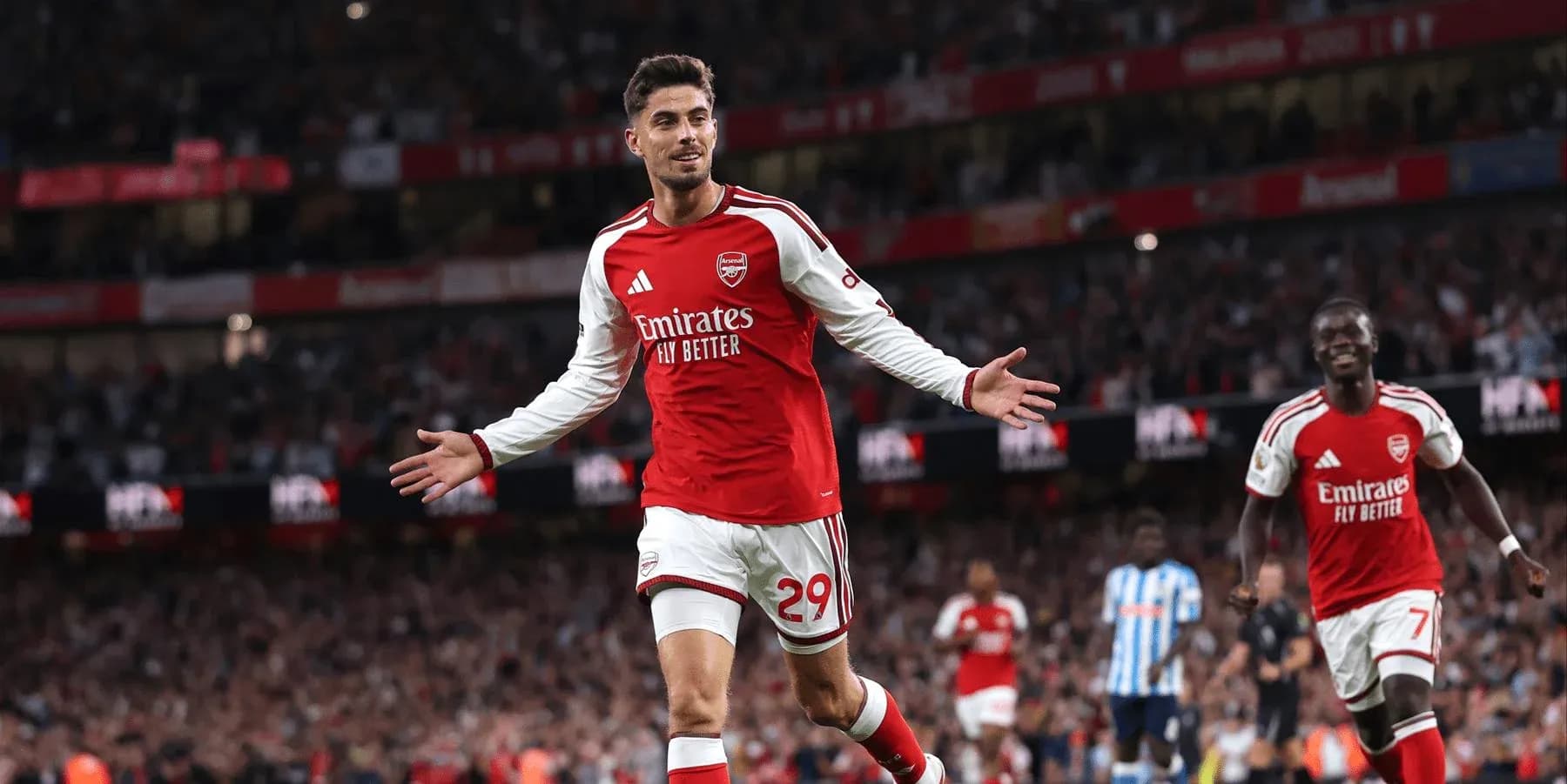
If this match had a thesis, it was written down Arsenal’s right flank. Bukayo Saka, already among the league’s top scorers after one round with 1 goal, operated as the primary “hunter” against a Coventry defensive unit that has already conceded 3 goals in their only away outing. Saka’s numbers in this match were clinical: 1 shot, 1 on target, 1 goal, 34 passes at 88% accuracy, 2 key passes, and a perfect dribble success from his single attempt. He did not need volume; he needed precision, and he had it.
Behind him, B. White functioned as the “shield” that enabled the hunt. Nominally a defender, he played as a high, aggressive full-back, completing 78 passes at 94% accuracy with 2 key passes and 1 assist. He also won 4 of 7 duels and made a tackle and an interception. White’s ability to both protect and overload made Coventry’s left side feel permanently outnumbered.
In the central “engine room,” the contrast was equally stark. For Arsenal, M. Ødegaard and D. Rice formed the spine of control. Ødegaard, who left the pitch with a rating of 8.5, contributed 1 goal, 56 passes at 92% accuracy, 3 key passes, and 3 tackles. He set the tempo and pressed intelligently, turning Coventry’s attempted build-up into a series of incomplete ideas. Rice, though less statistically decorated in the provided data, anchored the double pivot with M. Lewis-Skelly, ensuring that Coventry’s lone forward, E. Simms, was often isolated and forced to receive with his back to goal.
Coventry’s answer in midfield was fragmented. M. Grimes sat as the single pivot in the 4-1-4-1, with Yirenkyi, L. Tchaouna, F. Onyeka, and B. Thomas-Asante ahead of him. Yirenkyi’s 13 passes at 76% accuracy and 3 duels (1 won) tell a story of a young midfielder working hard but often chasing shadows. Without consistent progression through the thirds, Coventry’s shape resembled a defensive shell more than a platform for counter-attacks.
At the back, C. Rushworth in goal was left exposed too often, while the central pairing of B. Thomas and A. Amenda had to contend with K. Havertz’s intelligent movement. Havertz’s contribution – 1 goal from his only shot on target, 25 passes at 80% accuracy, 1 key pass, and 5 duels won from 10 – underlined his role as a connective forward rather than a pure finisher. He dropped into pockets that dragged Coventry’s centre-backs out, opening channels for Saka, Ødegaard, and C. Tzolis.
On Arsenal’s left, R. Calafiori’s debut as a creative full-back added another dimension. He delivered 1 assist, 24 passes at 83% accuracy, a key pass, and 1 tackle, winning 2 of his 3 duels. His willingness to step into midfield and combine compressed Coventry’s block horizontally, forcing them to defend wider than their 4-1-4-1 was comfortable with.
IV. Statistical Prognosis – What This Win Really Says
Following this result, Arsenal’s statistical profile in the league is almost pristine: 1 win from 1, 3 goals scored, 0 conceded, 1 clean sheet, no penalties conceded or missed, and a formation – 4-2-3-1 – already used in every match this season. Their only yellow card so far is contained within a single first-half window, suggesting controlled aggression rather than recklessness.
Coventry’s outlook is more precarious. Overall they have played 1, lost 1, failed to score, and conceded 3. Away from home, they have yet to keep a clean sheet and have already suffered their heaviest defeat, 3-0. Their card distribution – one yellow in the 16-30 minute band – hints at a team forced into early fouls as they adjust to the tempo of the division.
From a tactical and statistical standpoint, this match reads as an early-season benchmark. Arsenal look like a side whose attacking structure is already humming, with Saka, Ødegaard, Havertz, White, and Calafiori all influencing the final third. Their defensive platform, even without Saliba and Timber, held firm, with Gabriel and Mosquera unbreached and D. Raya untroubled on the scoresheet.
For Coventry, the lesson is clear. To survive and compete, Lampard must find a way to turn the 4-1-4-1 from a passive shield into an active springboard. E. Simms needs closer support, Grimes requires clearer outlets, and players like T. Sakamoto and G. Hamer – present on the bench here – may become crucial in adding craft and bite between the lines.
The numbers are only one game old, but the narrative is already vivid: Arsenal, in front of their own crowd, look every inch a Champions League-chasing side. Coventry, on their travels, have discovered just how steep the Premier League’s learning curve can be.