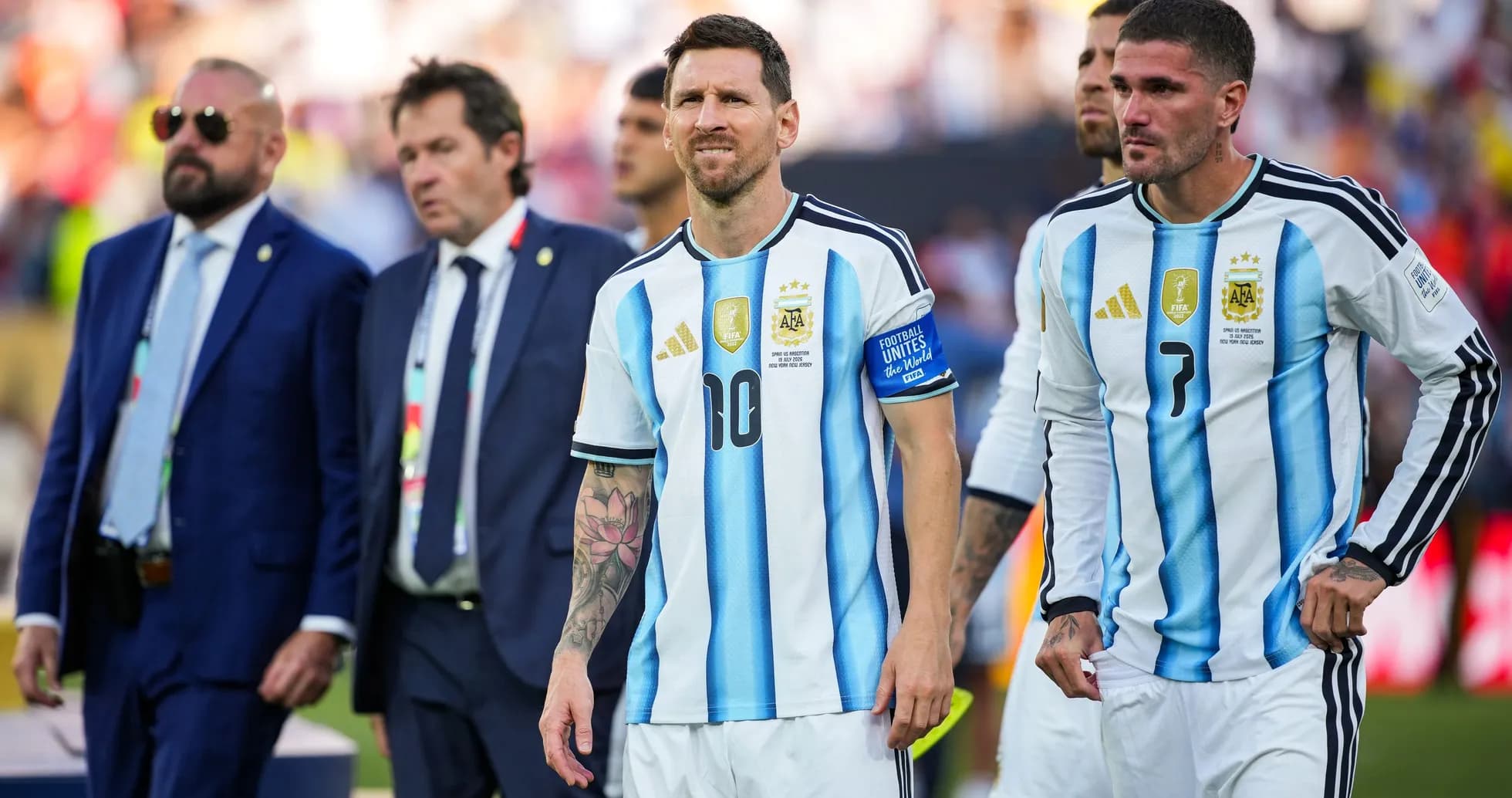
Argentina’s Holiday Debate: Celebrating Runners-Up Status
Argentina’s World Cup comedown has taken an unexpected turn. Days after a limp extra-time defeat to Spain in New York, the government has handed Lionel Messi and his team-mates a power rarely seen in elite sport: the right to choose a national holiday in honour of a campaign that ended in second place.
The decision landed like a loose ball in the six-yard box. Everyone had an opinion, and nobody stayed quiet.
Ferran Torres’ extra-time strike sealed a 1-0 win for Spain and stripped the Albiceleste of their world crown. Argentina failed to register a single shot on target in the showpiece, a toothless performance that jarred with the heroic tone of the reaction back home. Yet the squad’s overall effort still drew lavish praise from the corridors of power.
President Javier Milei, who pointedly stayed away from the final because of his superstitions, chose to mark the run with an extraordinary gesture. Writing on X, he announced that the players and coaching staff would be allowed to decide the date of a national holiday “to celebrate” their achievement.
“Given the concern about the celebrations for the achievement reached by the Argentine National Team,” Milei posted, “I inform the population that, depending on what the Players and the Technical Staff decide regarding the day to celebrate, it will be declared a national holiday.”
The reaction was instant – and fierce.
Many Argentines bristled at the idea of a public holiday for finishing second. In a country where football is often treated as a matter of state, some citizens questioned whether the move was a political misstep, others wondered if it was simply a technical error. Celebrating a runners-up medal, they argued, cut against the ruthless standards forged by generations of champions.
Plenty of supporters pushed back on the notion of parades and ceremonies. For them, the players’ priority should be a swift return to club duties, not an orchestrated lap of honour after losing their crown. The performance in New York, blunt and short of ideas, only sharpened that view.
Milei doubled down. In a separate message, he moved to shield Messi and the squad from criticism, framing their run as a defiant stand rather than a failed defence.
“Thank you so much, players,” he wrote. “[We fought] until the end with our boots on. Argentina always at the top.”
That line – “until the end with our boots on” – captured the tone the president wanted: a nation saluting warriors, not dissecting a misfiring attack.
Behind the political noise, football reality is closing in. This campaign is expected to mark Messi’s sixth and final World Cup. The Inter Miami forward has not formally announced his international retirement, but at 39, the end of his Argentina journey looms into view.
For Lionel Scaloni and his staff, the task now is brutally clear. The veteran core that carried Argentina to the summit is edging toward the exit. Fresh legs, new leaders, and a retooled identity must emerge quickly if the Albiceleste are to stay among the game’s elite.
A controversial holiday might briefly pause the country. The rebuild that follows will decide how long Argentina remain “at the top” once the celebrations, and the arguments, fade.