
Andrew Stalbow's Ambitious Takeover of Historic Football Club
Andrew Stalbow steps into English football with a striking mix of ambition and realism.
The co-founder and CEO of a mobile entertainment company is poised to become chairman of a historic, struggling club after both the board and the supporters’ society backed a takeover led by his investment group. The deal, once completed, would hand him the responsibility of steering a team still reeling from relegation and years of financial strain.
Stalbow is no Hollywood saviour, and he knows it.
"I'm not Ryan Reynolds money, nor is my investor group, but we've got people from all around the world backing us in almost every continent," he said, drawing a clear line between celebrity fairy tales and the quieter, more methodical project he is fronting.
The numbers tell their own story. Around £6m has been raised from roughly 50 investors, a broad syndicate rather than a single deep-pocketed owner. Among them is Curt Smith, co-founder of the band Tears for Fears, adding a touch of pop-culture intrigue to a very grounded football rescue act.
This is not a vanity play. It is a response to a club edging closer to the financial cliff.
"Many, many people have worked tirelessly over the years to keep this club viable," Stalbow said. "This past season, with relegation, has shown just how hard that has become without outside investment, and we're lucky to have had a number of benefactors... without whom this club could not have survived."
That relegation hangs over everything. It has underlined the limits of goodwill and local fundraising in a game that grows more expensive by the year. The arrival of external money is not a luxury; it is a necessity.
Stalbow, though, is not arriving just to stabilise. His gaze is fixed firmly upwards.
He talks openly about long-term ambitions to reach the Football League, a target that carries extra weight given the town’s unusual place in the game’s geography. "It's actually the second biggest town or city in England that hasn't made it to the Football League yet," he said. That statistic is both a frustration and a selling point: untapped potential, waiting for the right structure around it.
He is careful not to promise miracles on the pitch.
"I obviously can't control what happens in 90 minutes on match day," he admitted, a line that will resonate with supporters wary of grandiose claims. The focus, instead, is on building the platform that gives managers and players a fair chance.
"We want to give the players the best chance of success and ultimately over the next few years, build out the infrastructure at the club that makes the club football league ready."
Infrastructure. It is not the most glamorous word in football, but it is the one that keeps surfacing whenever clubs talk about sustainable progress. Training facilities, staffing, youth development, commercial operations – all the unglamorous machinery behind promotion pushes and cup runs.
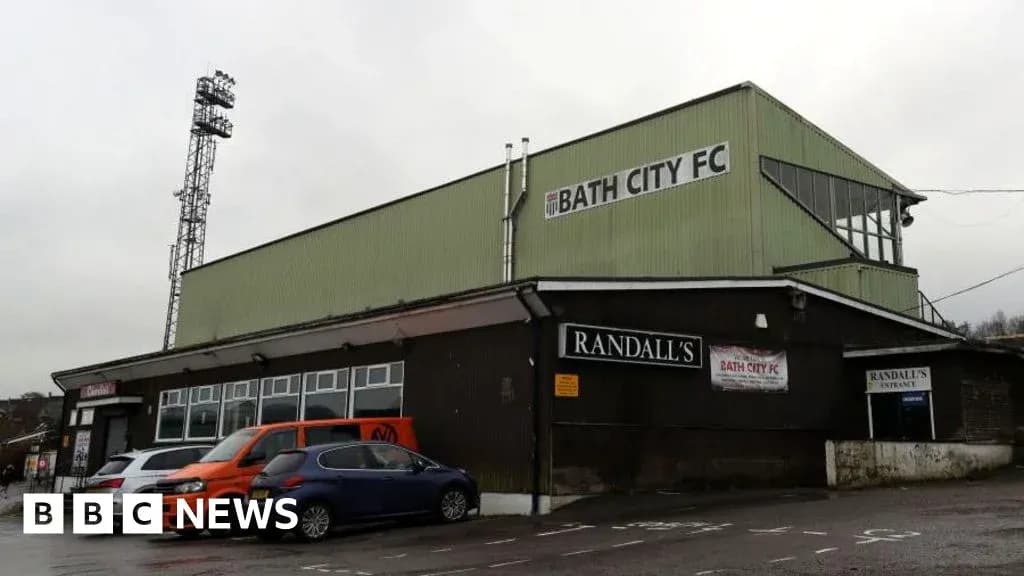
And then there is the stadium.
"It's an amazing stadium full of heritage, but it needs a lot of investment," Stalbow said.
That line cuts to the heart of the project. This is a club with history and a ground that carries memories, but the modern game punishes romance that is not backed by cash and planning. Heritage alone does not pay the bills or secure promotion.
The recommended sale to Stalbow’s group offers a different kind of story: not a headline-grabbing transformation overnight, but a slow, deliberate attempt to turn a proud, underachieving football town into a Football League outfit at last.
The question now is simple and brutal: can this new money and new leadership finally drag a sleeping club into the level its town has waited so long to see?




