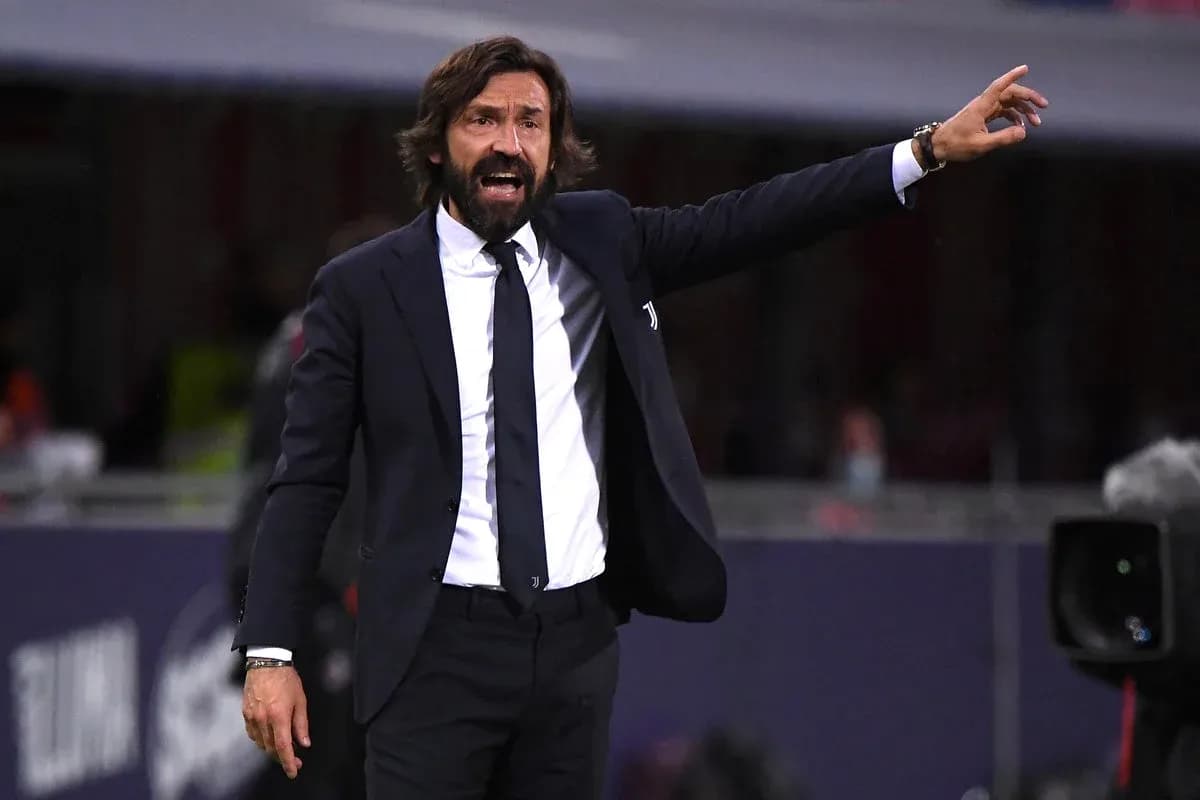
Andrea Pirlo Appointed as Italy Head Coach Amid Football Crisis
Italian football has turned back to one of its most elegant sons. Andrea Pirlo, the playmaker who glided through midfields and into history in 2006, is set to become the new head coach of the national team, according to local reports.
La Repubblica reports that Pirlo will sign a four-year deal, a contract designed to carry Italy all the way to the 2030 World Cup. For a country still obsessed with the game but scarred by repeated failure on the biggest stage, the choice is as symbolic as it is strategic.
From Maestro on the Pitch to Architect on the Touchline
Pirlo’s playing résumé hardly needs retelling. World Cup winner in 2006. Midfield metronome at Inter Milan, AC Milan and Juventus. The man who turned free-kicks into an art form and pressure into an illusion.
His coaching career has been less romantic, more rugged. He began at Juventus, thrown straight into one of the most demanding jobs in European football. Later came spells at Sampdoria and Turkish side Fatih Karagumruk, before his current role in charge of Dubai United. Those jobs did not bring the same glory as his playing days, but they hardened him, exposed him to different dressing rooms, different cultures, different crises.
Now comes the most complex challenge of all: rebuilding Italy.
A Giant in Trouble
Italian football is living through one of its darkest modern eras. A four-time world champion locked outside the World Cup for three straight editions – a staggering collapse for a nation that once treated qualification as a formality.
The failure cost Gennaro Gattuso his job in April, his resignation another chapter in a long, painful decline. Results have been poor, but the problems run deeper. The country’s youth development and talent pathway systems have frayed badly, leaving a thin pipeline in a sport that still dominates the national psyche.
Pirlo’s appointment is viewed as the first step in a wider reconstruction. Not just picking teams and drawing up game plans, but helping reshape how Italy produces and trusts its own players again.
Guardiola Says No, Pirlo Steps In
This was not Italy’s first plan. Italian football federation president Giovanni Malagò confirmed this week that talks had taken place with Pep Guardiola. Fresh from his Manchester City exit, Guardiola was the dream candidate: a serial winner, a tactical revolutionary, a coach whose name alone might have jolted the entire system.
Those talks went nowhere. Sky Italy reported that Guardiola turned down the role for “personal reasons that go beyond football.” Before leaving City, he had already warned that he did not intend to jump straight into another job, speaking openly about a lack of “energy” after his long spell in Manchester – echoing the words of his old rival Jürgen Klopp when the German walked away from Liverpool.
With Guardiola out, Italy pivoted. Instead of an external saviour, they have turned to a national icon, a man who understands the weight of the shirt and the expectations that come with it.
Klopp Recharged, Germany Rebooted
While Italy searched, Germany moved. On Friday, Klopp was unveiled as the new head coach of the German national team, his first job since leaving Liverpool two years ago. At 59, he insists he now feels “recharged” and ready for international football.
His contract also runs for four years, taking him through Euro 2028 and the 2030 World Cup. Germany, like Italy, has wrestled with identity and inconsistency in recent tournaments, but Klopp’s arrival has injected instant optimism.
“The national team brings us Germans together like almost nothing else can. That's what makes this task so special for me,” he said in Frankfurt, capturing the emotional pull that still surrounds the shirt.
Italy will hope Pirlo can tap into something similar. Different personality, different style, but the same mission: restore pride, restore fear, restore belief.
A Gamble on Memory and Vision
Pirlo does not arrive with Guardiola’s trophy haul as a coach, nor Klopp’s touchline charisma. He arrives with something else: the memory of what Italy once was and the authority of a man who helped make it so.
The bet is clear. That his calm, his intelligence, his understanding of the modern game and of Italian football’s soul can guide a broken giant back to the stage it once owned.
He will have four years to prove it – and a nation that has run out of patience waiting for its next World Cup anthem.