AC Milan W Defeats Parma W 3-1 in Serie A Women Showdown
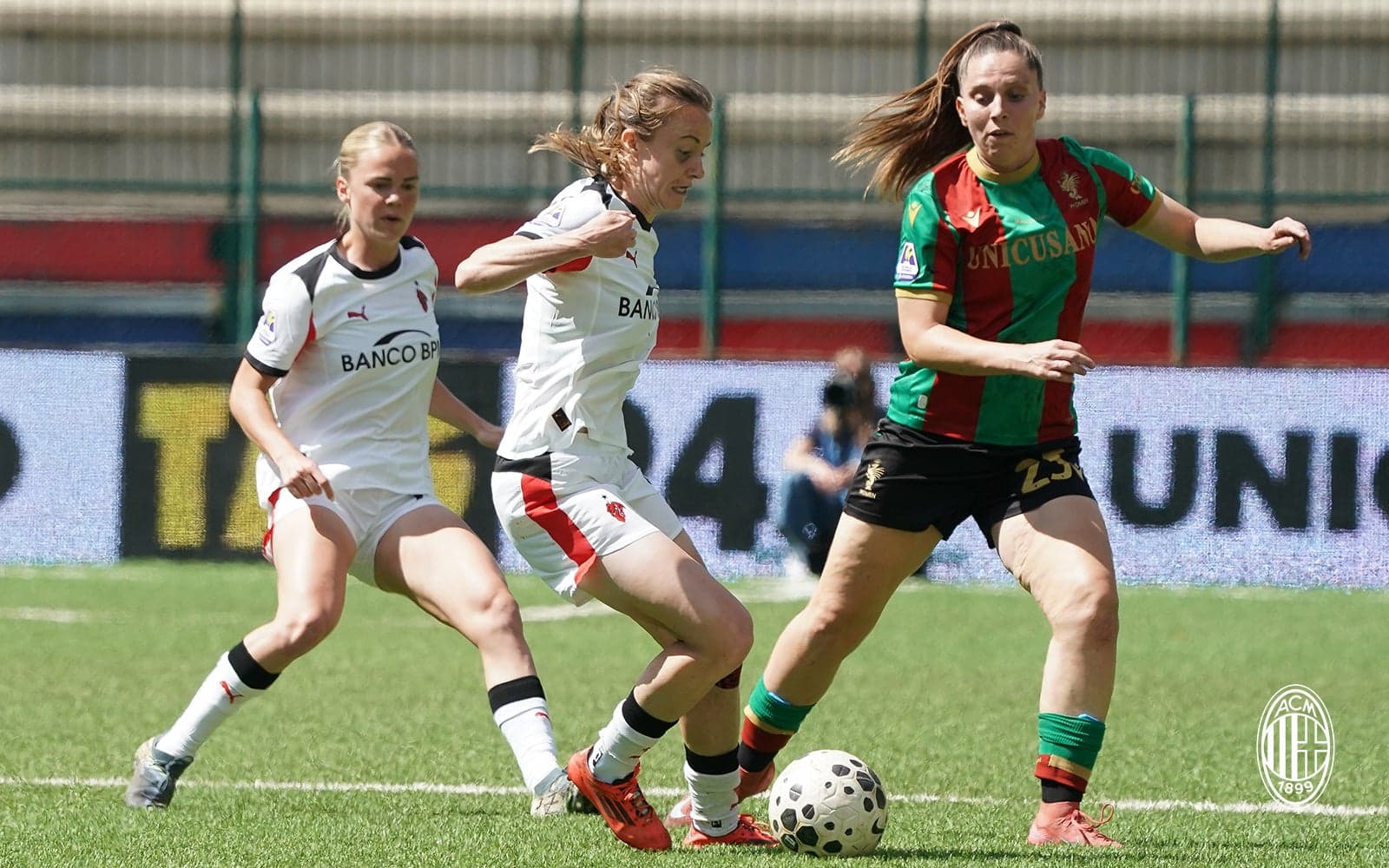
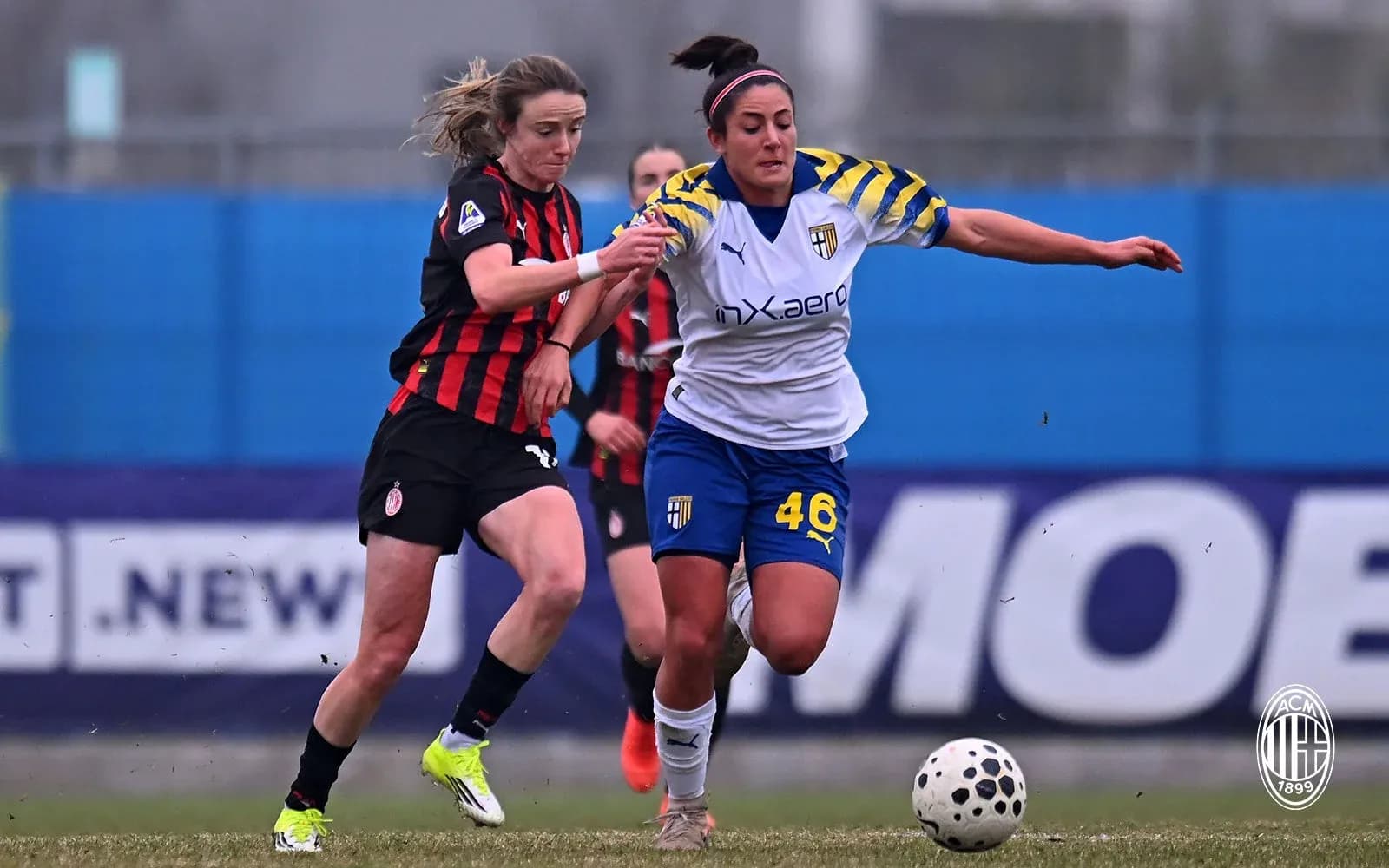
The rain never quite arrived over Centro Sportivo Peppino Vismara, but AC Milan W brought their own storm. In a Regular Season - 21 clash of Serie A Women, Suzanne Bakker’s side bent the afternoon to their will, overturning a 1-1 half-time score into a controlled 3-1 win over Parma W that felt like a crystallisation of their entire campaign’s identity.
Heading into this game, the table already told a story of separation. Milan sat 6th on 32 points, with a positive goal difference of 6 built from 31 goals scored and 25 conceded in 21 matches. Parma, 10th with 16 points and a goal difference of -13, had been living on the fine margins of draws and defensive resilience rather than attacking thrust: only 15 goals scored across the same 21 fixtures, but 28 conceded. The full-time scoreline in Milan did not just reflect that gap; it explained it.
At home this season, Milan’s attacking DNA has been clear. They averaged 1.6 goals per game at Vismara before kick-off, part of a total 1.5 goals per match overall. That edge was underpinned by a flexible 4-3-3 base used 10 times across the campaign, occasionally morphing into 4-2-3-1 or 4-1-4-1. Against Parma’s season-long commitment to back-three structures – from 3-4-2-1 to 3-4-3 and 3-5-1-1 – this match always looked like a confrontation between width and density, between Milan’s layered possession and Parma’s compactness.
Starting XI
Bakker’s starting XI reflected that familiar balance. L. Giuliani anchored the side in goal, with E. Koivisto and M. Keijzer among the defensive line, the latter a defender whose league profile is built on duels and interventions – 23 tackles, 3 blocked shots and 10 interceptions this season – but also on the razor’s edge of aggression, having already collected a red card in the campaign. Ahead of them, G. Arrigoni and M. Mascarello offered a double axis in midfield, Mascarello arriving with 20 appearances and 368 passes in the league, a metronome who also carries a disciplinary edge: 4 yellow cards from 15 fouls committed.
Further forward, C. Grimshaw’s presence from the start signalled Milan’s intent to press and carry from midfield. Across the season, Grimshaw has produced 2 assists and 1 goal, but her true value lies in the connective tissue: 263 passes at 79% accuracy, 11 key passes, and 10 successful dribbles from 26 attempts. Flanking the attack, S. Stokic and T. Kyvag worked around the spearhead of C. Dompig, the Dutch forward whose campaign has been defined by brief, explosive cameos – 1 goal, 1 assist – and one flashpoint red card that underlines her willingness to play on the edge.
Parma's Struggles
On their travels, Parma’s numbers painted a starkly different picture. They arrived in Milan without a single away win in the league, with 0 away victories, 5 draws and 6 defeats. Their away attack had been almost non-existent: just 2 goals in 11 away matches, an average of 0.2 per game, and 9 away fixtures in which they failed to score. Yet defensively, Giovanni Valenti’s side had shown a stubborn streak, conceding 14 away goals at an average of 1.3 per match – not far from Milan’s own 1.4 conceded at home.
The visitors’ XI was built around that resilience. M. Copetti in goal stood behind a line featuring C. Minuscoli, C. Ambrosi and D. Cox, with I. Rabot and M. Gueguen supporting the structure. In midfield, M. Uffren – one of the league’s most combative presences – patrolled the centre. Her season numbers are remarkable: 512 passes at 82% accuracy, 32 tackles, 34 interceptions, and 7 yellow cards. She is Parma’s metronome and enforcer rolled into one, but also their disciplinary tightrope, having already missed a penalty and carrying a heavy card load.
Ahead of her, C. Prugna and the creative fulcrum G. Distefano provided the link to the front line. Distefano, with 1 goal and 2 assists, is Parma’s most productive creator: 24 shots, 12 on target, 16 key passes and 31 dribbles attempted, winning 81 of 151 duels. She is also their pressure valve, drawing 50 fouls and committing 15, the kind of player who can drag a team up the pitch almost by force of will.
Yet across the campaign, Parma’s discipline has been as much a liability as a weapon. Their yellow-card timing shows a late-game spike: 29.17% of bookings between 76-90 minutes, with their only red card of the season also arriving in that same window. Milan, too, lean into the chaos late on, with 31.58% of their yellow cards coming between 76-90 minutes and a perfectly split trio of red cards across 46-60, 61-75 and 76-90. This match always had the potential to become more ragged as legs tired and spaces opened.
The Duel
The “Hunter vs Shield” duel was clear. Milan’s top scorer, K. van Dooren – 5 goals from 18 shots, 12 on target – did not start, but her season output still frames the Rossonere’s threat: a midfield scorer who finds pockets and finishes moves. Parma’s “shield” was a collective, conceding 1.3 goals per match overall, but their away fragility and lack of offensive punch meant that any concession would weigh double. Once Milan found their rhythm after the interval, that imbalance told.
In the “Engine Room”, the clash between Grimshaw and Mascarello on one side and Uffren and Distefano on the other defined the narrative. Milan’s pair sought to control tempo and exploit half-spaces, while Parma’s duo tried to turn the match into a series of duels and transitions. Over 90 minutes, Milan’s structure and home confidence – 5 wins, 3 draws and 3 defeats at Vismara before this fixture – gave them the platform to tilt those battles in their favour.
Following this result, the statistical prognosis for both sides hardens rather than shifts. Milan, with a total goal difference of 6 built from 31 scored and 25 conceded, look every inch a top-half side whose attacking averages (1.6 at home, 1.5 overall) are backed by a flexible, possession-oriented system and a spread of creative contributors. Their lack of penalties – 0 taken, 0 missed – suggests their xG profile is built more on open-play combinations than spot-kick variance.
Parma, meanwhile, remain a team whose xG story is likely to be one of defensive labour and attacking scarcity. With only 2 away goals all season and 11 total matches without scoring, their margin for error is microscopic. Even with 6 clean sheets overall and 4 away, their inability to convert the rare chances they craft means that any defensive slip is usually fatal.
In Milan, that pattern held. The home side’s superior squad depth, their capacity to rotate between structures, and the influence of figures like Grimshaw, Mascarello, Keijzer and Dompig ultimately overpowered Parma’s resistance. Tactically, this 3-1 was less an upset than an affirmation: Milan are trending upward as a cohesive, front-foot unit, while Parma remain locked in a battle not just against opponents, but against their own limitations in the final third.