AC Milan vs Atalanta: Serie A Clash Ends in Dramatic 2-3 Defeat
On a warm May evening at Stadio Giuseppe Meazza, AC Milan and Atalanta staged the kind of Serie A drama that defines a season’s closing stretch. In a clash of top‑seven sides, fourth‑placed Milan, with 67 points and a goal difference of 18 heading into this game, were dragged into a chaotic 2-3 home defeat by seventh‑placed Atalanta, who arrived on 58 points with a goal difference of 16. It was a meeting of two sides whose seasonal DNA is strikingly similar: both averaging 1.4 goals scored in total this campaign, both conceding 0.9 per game overall, both wedded to back‑three systems that encourage aggression rather than caution.
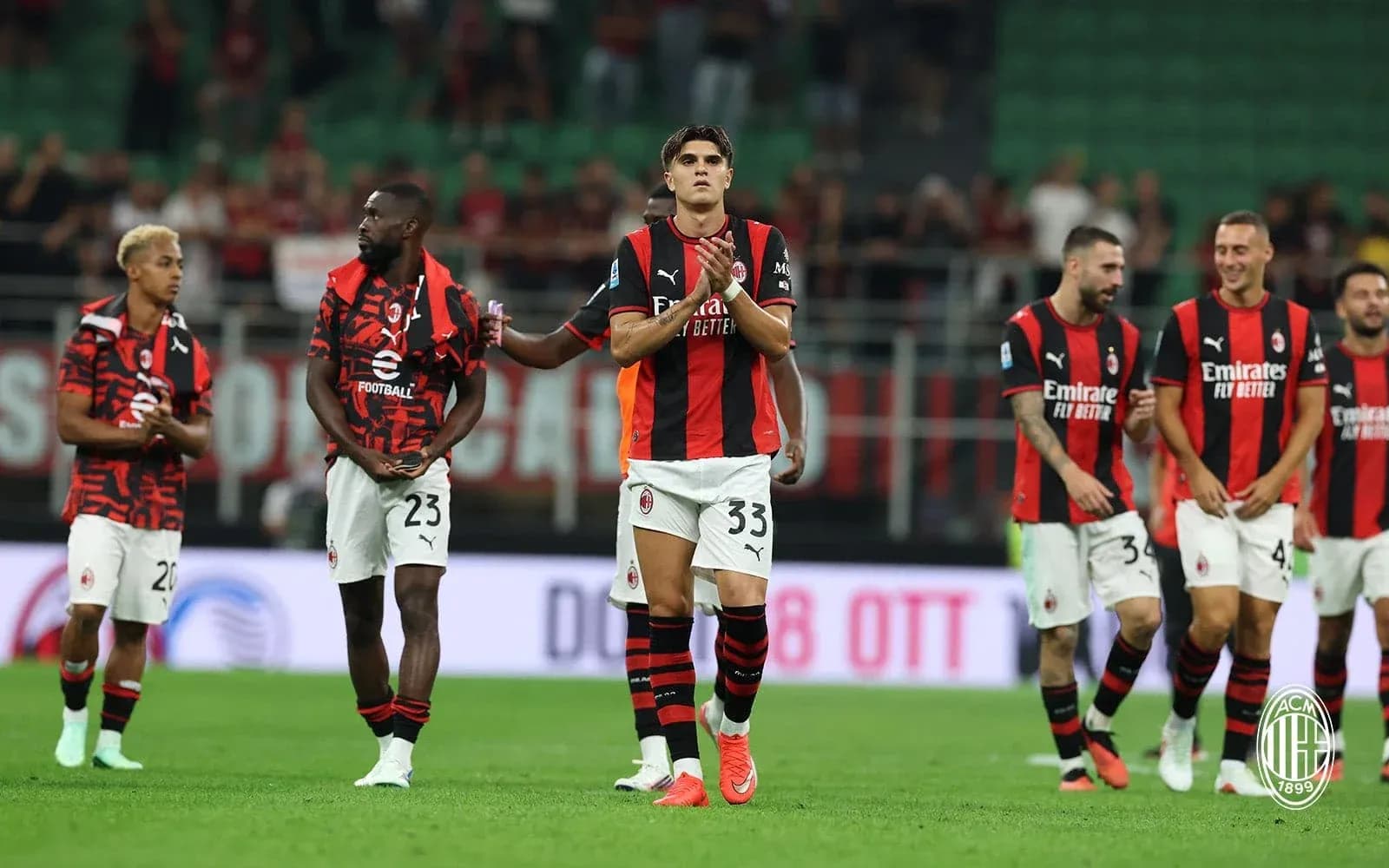
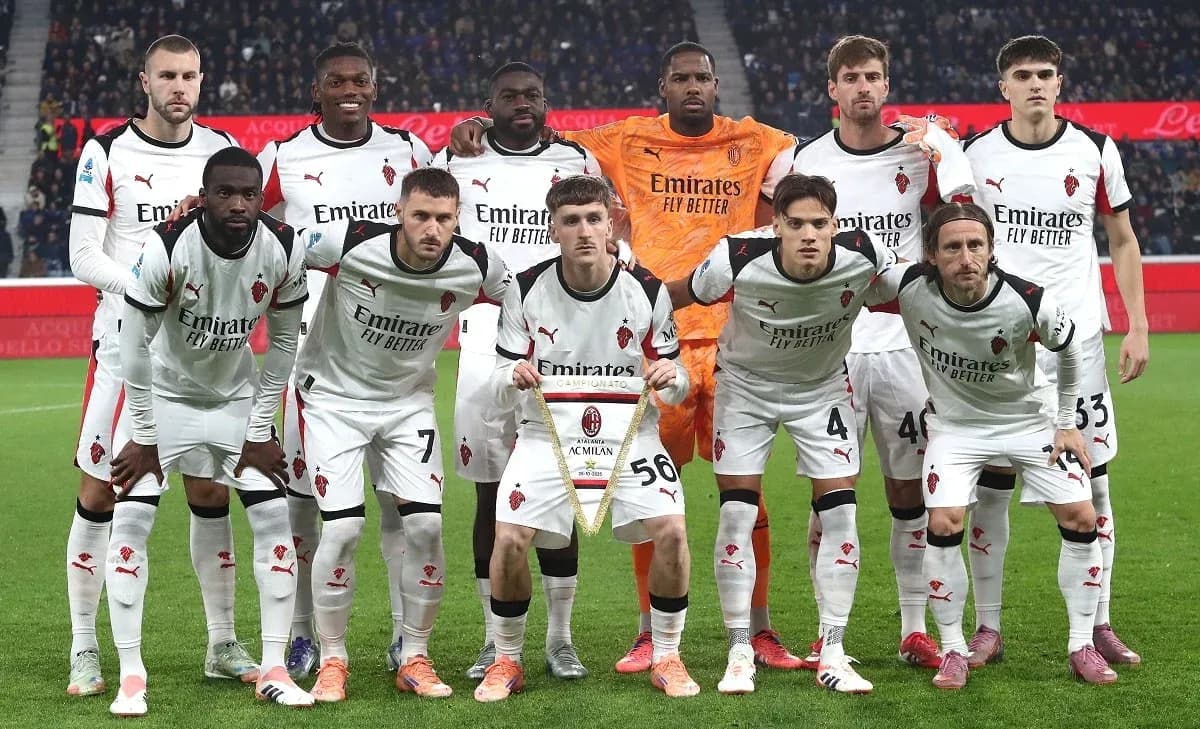
Massimiliano Allegri doubled down on Milan’s identity, rolling out the trusted 3-5-2 that has been used in 32 league matches. Mike Maignan anchored a back three of Koni De Winter, Matteo Gabbia and Strahinja Pavlovic, with a broad, hard‑running midfield line of Alexis Saelemaekers, Ruben Loftus‑Cheek, Samuele Ricci, Adrien Rabiot and Davide Bartesaghi behind a front two of Santiago Gimenez and Rafael Leão. Across from them, Raffaele Palladino mirrored the structural boldness with Atalanta’s hallmark 3-4-2-1: Marco Carnesecchi behind Giorgio Scalvini, Isak Hien and Sead Kolasinac; Davide Zappacosta, Marten De Roon, Ederson and Nicola Zalewski across midfield; Charles De Ketelaere and Giacomo Raspadori floating behind Nikola Krstovic as the lone striker.
The tactical voids were significant and shaped the storyline. Milan entered this fixture without Luka Modric, out with a broken cheekbone, and Christian Pulisic, sidelined by a muscle injury. Both absences stripped Allegri of high‑level creativity between the lines: Modric’s tempo control and Pulisic’s direct one‑v‑one threat and chance creation (37 key passes in the league, plus 8 goals and 3 assists before this injury) were missing from a side already leaning heavily on Leão for incision. Fikayo Tomori’s suspension after a red card further weakened the back line, forcing Gabbia and De Winter into more responsibility against a fluid Atalanta front three.
Atalanta, for their part, were without Berat Djimsiti and L. Bernasconi, trimming Palladino’s defensive rotation. Yet the visitors’ structural continuity—32 games in a 3-4-2-1 this season—allowed them to absorb those losses more seamlessly than Milan could replace their creative core.
Discipline was always going to be a subplot. Milan’s season card map shows a clear late‑game spike: 25.42% of their yellow cards arrive between 76-90 minutes, and another 15.25% in added time. Atalanta mirror that volatility, with 22.81% of their yellows from 61-75 minutes and another 22.81% from 76-90, plus a notable red‑card pattern: one dismissal in the opening 0-15 and another in the 76-90 range. This match, with its frantic tempo and late push from the hosts, slotted neatly into that narrative of emotional, high‑risk football in the final quarter.
The “Hunter vs Shield” duel was embodied by Krstovic and the Milan defence. Krstovic came into this game as one of Serie A’s more industrious forwards: 10 goals and 5 assists in total this campaign, 74 shots with 33 on target, 258 duels contested and 113 won. He thrives in chaos, happy to run channels, fight centre‑backs and open lanes for runners. Milan’s defensive record in total this season—32 goals conceded in 36 matches, an average of 0.9 per game—suggested solidity, but the home split (19 goals conceded at home, 1.1 per game) hinted at vulnerability when asked to chase.
Atalanta exploited that from the outset, surging into a 0-2 half‑time lead. Their structure pinned Milan’s wing‑backs deep, isolating Gimenez and Leão. De Ketelaere, one of the league’s most influential creators with 5 assists and 60 key passes in total this season, drifted into the half‑spaces, repeatedly finding Raspadori and Krstovic between Milan’s lines. De Roon and Ederson, the away side’s “Engine Room”, won second balls and broke Milan’s rhythm, turning every loose touch into a transition opportunity.
For Milan, the attacking “Hunter” was inevitably Leão. With 9 league goals and 3 assists in total this season and a 6.91 average rating, he remains their most explosive outlet. His 55 dribbles attempted (25 successful) and 24 shots on target underline a player who can tilt a game on his own. In the second half, as Milan mounted their comeback to 2-2, Leão’s movement—drifting left, then darting inside—finally stretched Atalanta’s back three, opening pockets for Loftus‑Cheek’s surges and Ricci’s vertical passes.
Yet Atalanta’s “Shield” held just enough. Carnesecchi’s positioning, Scalvini’s anticipation and Hien’s aggression in duels blunted Milan’s late surge. The visitors’ defensive profile in total this campaign—34 goals conceded, 0.9 per match overall, with only 14 at home and 20 away—speaks to a side comfortable suffering without collapsing. Even as Milan’s late‑game card tendencies hinted at desperation, Atalanta managed the chaos better, and Krstovic’s season‑long relentlessness again told in the decisive moments as the visitors found a third goal to kill the comeback.
In midfield, the “Engine Room” confrontation between Ricci and Rabiot against De Roon and Ederson was subtly decisive. Ricci, tasked with building from deep in the absence of Modric, struggled early under Atalanta’s press. Rabiot’s box‑to‑box running became more prominent after the interval, but De Roon’s reading of play and Ederson’s balance between carrying and covering gave Atalanta a marginal but crucial edge in the central lane. Every time Milan overcommitted, Atalanta sprang into the spaces behind their wing‑backs.
From a statistical prognosis standpoint, this result aligns with the underlying trends. Both teams average 1.4 goals scored in total this season; a five‑goal game sits at the upper end of expectation but not outside it, especially given Milan’s more porous home record (1.1 goals conceded per home match) against Atalanta’s respectable away attack (25 goals on their travels, 1.4 per away game). Milan’s perfect penalty record in total this season (6 scored from 6, 100.00%) never came into play, while Pulisic’s season penalty miss remains a footnote rather than a factor here.
Following this result, the story is of an Atalanta side whose xG profile and defensive solidity on their travels justify their European push, and a Milan team whose overall numbers still scream Champions League quality but whose absences and home fragility have opened cracks at precisely the wrong time. The tactical patterns, the disciplinary curves and the key individual matchups all converged in 90 breathless minutes at San Siro—and in the end, the more coherent, better‑balanced system prevailed.